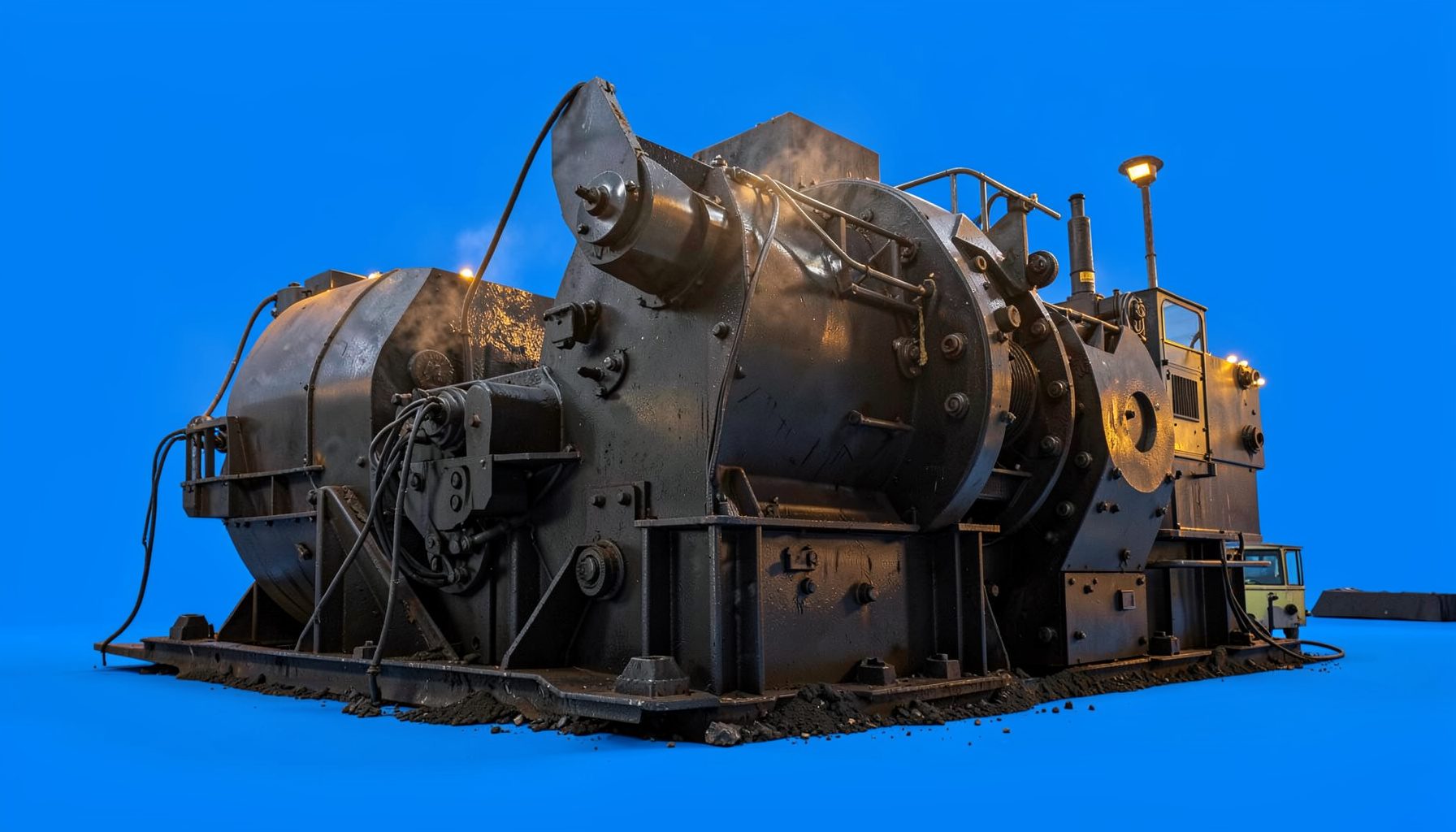
Understanding Fines Removal in Sand Washing Machines
Sand washing machines are designed to clean and classify manufactured sand, natural sand, and aggregate after crushing or screening. Their fines removal function separates unwanted clay, silt, and very small mineral particles from the usable sand fraction, improving product quality and making the material more suitable for concrete, asphalt, drainage, and general construction.
For Australian quarry operators, this function matters because feed conditions can change sharply between a dry inland pit, a coastal sand operation, and a hard-rock quarry near Melbourne or Perth. Understanding how fines are removed helps operators choose the right washing equipment, control water use, and produce a consistent specification product.
What Fines Removal Actually Does
In a sand washing circuit, “fines” usually means very small particles that pass through the desired sand size range. The exact definition depends on the product specification, but fines commonly include clay lumps, silt, dust from crushing, and particles below approximately 75 microns. Some fine material is useful in a manufactured sand blend, while excessive quantities can reduce concrete performance and increase water demand.
A washing machine uses water, agitation, gravity, and overflow to separate these unwanted particles. Clean, saleable sand settles or travels through the machine, while low-density clay and suspended silt remain in the dirty water and leave through an overflow or slurry discharge. The process is therefore a controlled separation step rather than simple rinsing.
| Feed condition | Typical problem | Fines removal response | Product benefit |
|---|---|---|---|
| Dry crushed rock | Dust coating on particles | Scrubbing and rinsing | Cleaner manufactured sand |
| Clay-bearing sand | Sticky lumps and coatings | Strong agitation and overflow | Lower clay contamination |
| Natural river sand | Silt suspended in water | Classification and settling | More stable grading |
| Excessive ultrafines | High slurry load | Hydrocyclone or dewatering stage | Reduced moisture and water loss |
| Variable quarry feed | Uneven product quality | Adjustable water and feed rate | Better process control |
The objective is rarely to remove every fine particle. Removing too much can waste valuable material, increase disposal costs, and alter the grading curve. Effective operation means removing the harmful fraction while retaining the sand particles required by the customer’s specification.
How The Washing Circuit Separates Material
A typical sand washer receives material after a vibrating screen, feeder, or crushing stage. Water is introduced as the feed enters the washing chamber, where paddles, a screw, or an impeller agitates the material. This movement breaks up clay coatings and releases fine contamination from the surface of larger grains.
Once the material is dispersed, the separation relies on differences in size, density, and settling speed. Coarser sand settles quickly and is lifted or conveyed towards the discharge. Clay and silt remain suspended for longer, allowing them to travel with the overflow water. A correctly adjusted machine creates enough turbulence to release fines without carrying excessive saleable sand away with the slurry.
Some plants use a log washer or heavy-duty scrubber when the feed contains tough clay. A spiral sand washer may suit a simpler washing duty, while a wheel-type washer can provide comparatively gentle cleaning with lower water movement. Where the fines load is high, hydrocyclones, dewatering screens, and thickening ponds may be added after the initial washing stage.
Equipment Features That Influence Fines Removal
The shape and speed of the washing mechanism affect how thoroughly particles are cleaned. Higher agitation generally improves clay release, but it can also increase power demand and produce more suspended solids. The machine must be matched to the feed’s clay content, hardness, moisture, and particle-size distribution rather than selected on capacity alone.
A screw or impeller must maintain enough residence time for washing to occur. If the feed passes through too quickly, clay coatings may remain attached to the sand. If the retention time is excessive, the circuit can become overloaded with slurry, and the overflow may carry useful fine sand into the settling system.
Water distribution is equally important. Spray bars, feed chutes, and internal water inlets should wet the feed evenly. Blocked nozzles or a poorly positioned water line can create dry pockets where fines remain attached. The machine’s overflow level also needs to remain stable, since a low level may reduce separation and a high level may wash too much product from the discharge.
For a complete plant, the washer should be considered alongside the feeder, crusher, screen, conveyor, and stockpile arrangement. Shanghai CME Mining and Construction Machinery Co., Ltd. supplies equipment across these processing stages, allowing the washing unit to be assessed as part of a wider quarry or aggregate circuit.
Operating Variables That Control Separation
Feed rate is one of the first variables to check when fines removal performance declines. An overloaded washer has less time and water available for each tonne of material. It may produce a visibly dirty sand discharge, unstable overflow, or a rise in the percentage of material retained on a quality-control sieve.
Water flow must be balanced against the fines load. More water can keep silt suspended and improve overflow removal, but excessive flow may carry fine sand out of the machine. In areas such as regional New South Wales or Queensland, where water licensing and drought conditions can influence operating costs, the correct water-to-feed ratio is especially important.
The condition of the feed also changes the required settings. Rain can increase moisture and bring sticky clay into the circuit, while a dry period may create more crushing dust. Operators should monitor current feed conditions instead of relying on a fixed setting established during commissioning.
Discharge elevation and stockpile drainage also affect the result. If washed sand cannot drain properly, it may retain excessive moisture and become difficult to handle. A dewatering screen can remove a significant portion of this water before stockpiling, reducing product handling problems and making the final material easier to load and transport.
Measuring Fines, Moisture, And Water Quality
Visual inspection is useful, but it cannot confirm whether the washed sand meets a specification. Routine samples should be taken from the feed, washed product, and, where practical, the overflow or slurry stream. Laboratory grading, sand equivalent testing, methylene blue testing, and clay-index methods can reveal whether the issue is excess dust, plastic clay, or a change in particle size.
Moisture readings help explain problems that may initially appear to be a fines-removal failure. A washed product with high retained water can bridge in chutes, stick to conveyor belts, or form an unstable stockpile. Portable measurement equipment and process instruments from D-A Instruments can support more consistent monitoring of moisture and related operating conditions.
Water quality also deserves attention. Recycled process water often contains suspended solids, and its density can rise as a settling pond fills. At some point, the recycled water may no longer provide the same separation efficiency as fresh water. Measuring turbidity or suspended solids allows the operator to identify when pond management, desludging, or partial water replacement is needed.
Sampling should follow a consistent pattern. A single sample taken after a shift change may not represent the full production run. Samples collected at set intervals and compared with crusher settings, feed moisture, water flow, and washer load give a more useful picture of the circuit.
Australian Conditions And Site Planning
Australian quarry sites often have long haul distances between the extraction face, processing plant, and customer. In Western Australia, remote iron-rich or hard-rock operations may prioritise robust equipment and simplified maintenance because specialist technicians and replacement parts can be far away. In contrast, a metropolitan quarry near Sydney, Brisbane, or Adelaide may face tighter limits on noise, dust, water discharge, and operating hours.
Water management is a major local consideration. Some sites use lined settling ponds, thickener systems, water recycling tanks, or staged sediment basins to reduce fresh-water demand. A washer that performs well hydraulically but sends too much slurry to the pond can increase excavation and maintenance requirements, especially where land is limited around established Melbourne or Perth operations.
Mobile processing is useful where a project moves between deposits or where aggregate is produced close to a road construction area. Operators assessing this arrangement can review guidance on mobile crushing plants before deciding how a washer, screen, and water-recovery system should travel with the rest of the circuit.
Local terminology can also affect communication. Australian crews may refer to a loader operator, wash plant operator, or “sparky” during routine discussions, while specifications may use terms such as manufactured sand, quarry dust, screenings, or fines. Clear definitions are important because “fines” may refer to different size ranges in a laboratory report, purchase contract, or site conversation.
Troubleshooting Poor Fines Removal
Dirty washed sand can result from insufficient agitation, inadequate water, excessive feed rate, or clay that requires a more intensive scrubbing stage. Check whether the feed contains more clay than usual, whether the overflow is carrying the expected slurry, and whether the washing chamber is operating at its intended level.
When too much good sand is lost, the water flow may be excessive, the overflow weir may be set too low, or the feed may be entering at an unsuitable point. Sampling the overflow can confirm whether saleable particles are being discharged. A hydrocyclone or recovery screen may help reclaim useful fine sand from the slurry stream.
High moisture at the discharge commonly points to poor dewatering rather than inadequate washing. Inspect the dewatering screen panels, vibration settings, spray system, and stockpile drainage. Worn screen media can reduce drainage and allow wet material to pass forward, while blocked panels can create a similar symptom.
Routine inspection should include paddles, flights, bearings, seals, spray nozzles, screen panels, and overflow outlets. Abrasive quartz, hard-rock dust, and corrosive process water can accelerate wear. Planned replacement of consumable parts is generally more reliable than waiting for a sudden loss of production during a customer order.
Matching The Washer To The Production Circuit
The correct sand washing machine depends on feed gradation, clay content, required throughput, final moisture, water availability, and the intended use of the product. A small quarry producing washed sand for local concrete suppliers may need a compact washer and dewatering screen. A large aggregate operation may require multiple washing stages, recycled-water treatment, and automated sampling.
Capacity should be based on the actual tonnes per hour after accounting for moisture and fines content. A machine rated for clean, free-flowing sand may perform very differently when fed sticky quarry material. It is also important to allow access for maintenance, safe walkways, drainage, electrical equipment, and room around pumps and settling infrastructure.
Where a site must move between deposits or construction zones, a mobile arrangement can reduce civil works and shorten setup time. Guidance on choosing mobile plants is relevant when comparing transport, setup time, production flexibility, and the practical limits of carrying water-recovery equipment between locations.
A well-designed fines removal stage gives the operator control over cleanliness, grading, moisture, and water use. When the washer is correctly matched to the feed and integrated with screening, dewatering, and slurry management, it can turn inconsistent quarry material into a dependable sand product for Australia’s construction and infrastructure markets.