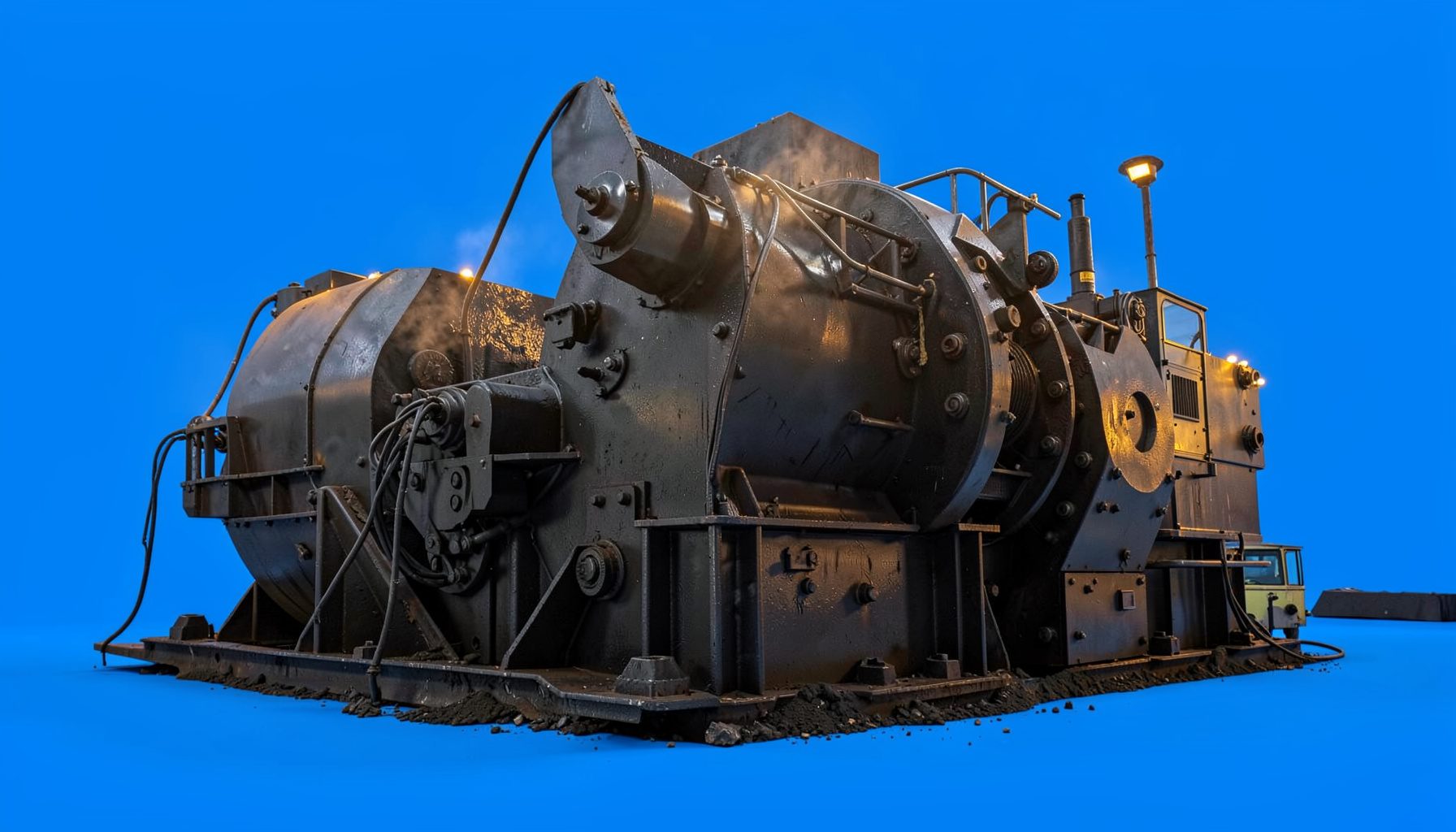
Mobile crushing plants for smarter project decisions
A mobile crushing plant brings the primary crushing, screening and conveying stages closer to the material. Instead of hauling blasted rock or demolition waste to a fixed processing yard, a contractor can move the equipment around a quarry, construction site or mine as the working face changes. This can reduce internal haulage, simplify site logistics and support faster production changes. Learn more about Vertical Mill Vs Trapezium Mill Key Differences For Mineral Grinding 205858.
The term covers several configurations, from a compact jaw crusher on tracks to a complete mobile circuit with a feeder, cone or impact crusher, vibrating screen and conveyors. Some plants are designed for heavy-duty primary reduction, while others produce tightly controlled aggregate sizes for road base, concrete, asphalt or manufactured sand.
For Australian operators, the decision often depends on distance and access. A hard-rock quarry outside Perth, a civil project near Brisbane and an iron ore operation in the Pilbara may all need crushing, yet their transport routes, power availability, feed material and production targets can be very different. A mobile solution is valuable when it matches those conditions rather than simply because it is easy to move.
The right selection starts with the material and ends with the complete workflow. Feed size, abrasiveness, moisture, desired output, operating hours and future relocation plans should be assessed together. Equipment from a manufacturer such as Shanghai CME Mining and Construction Machinery Co., Ltd. can be configured across crushing, screening, conveying, washing and grinding applications, allowing the plant layout to reflect the project rather than forcing the project to fit a standard machine.
When mobility creates a real advantage
Mobile crushing is particularly effective where the extraction point moves regularly or where a temporary project does not justify a permanent processing structure. Road construction, rail formation, dam works and large subdivision projects often generate material in stages. A tracked crusher and screen can follow the work zone, producing usable aggregate close to where it will be placed.
Quarries can also benefit when the face is distant from the fixed plant or when several deposits must be tested before a long-term layout is approved. Relocating the crushing circuit may cost time, but the saving in truck movements can be substantial. Fewer loaded haulage kilometres can reduce fuel use, tyre wear, traffic interaction and the need to maintain long internal roads.
Mobility is less compelling where a site has a stable deposit, high continuous throughput and existing foundations, bins and electrical infrastructure. A fixed plant may deliver lower unit costs in that setting. The useful comparison is therefore the total operating arrangement, including excavation, loading, haulage, stockpiling and maintenance, rather than the purchase price of the crusher alone.
Matching the plant to the feed material
A jaw crusher is commonly selected for primary crushing because it accepts large, irregular rocks and handles demanding feed conditions. It can be followed by a cone crusher for secondary or tertiary reduction when the operation needs consistent cubical aggregate and a controlled product curve. Cone performance depends on correct chamber selection, closed-side setting, feed distribution and steady choke feeding; practical guidance on cone crusher performance can help when planning a high-throughput circuit.
Impact crushers are often useful for softer to medium-hard stone, recycled concrete and applications where particle shape matters. They can produce a more cubical product, although highly abrasive rock may increase wear costs. The choice should account for silica content, compressive strength, flakiness requirements and the proportion of fines in the feed.
Sticky clay and wet material create a different problem. A vibrating grizzly feeder can remove undersize before the primary crusher, while scalping and washing equipment may be needed to prevent blockages and protect downstream screens. For iron ore, gold-bearing rock or other mineral-processing work, crushing may be only the front end of a circuit that later includes grinding, classification and separation.
Considering output requirements and final products
The required product is as important as the feed. Road base may tolerate a broader size distribution than concrete aggregate, while asphalt production can demand precise grading and good particle shape. A mobile screen can separate several fractions, return oversize to the crusher and send finished material to stockpiles through radial or fixed conveyors.
Manufactured sand requires closer attention to fines, moisture and particle shape. An impact-based sand-making machine may be added after crushing and screening when the available natural sand is limited or does not meet specification. Before committing to that arrangement, review this sand-making machine guide alongside local testing requirements and the intended concrete or mortar application.
The plant should be sized around realistic feed conditions, not an optimistic maximum. A stated capacity in tonnes per hour can change with rock density, feed gradation, crusher setting, moisture and operator practice. It is sensible to define a target hourly production rate, peak rate, product sizes and acceptable recirculation before comparing models.
Portable, tracked and modular configurations
Tracked mobile crushers are suited to rough ground and short-distance relocation within a project. Their crawler undercarriage allows the unit to move without dismantling the main crushing equipment, which is useful when the active face advances or stockpiles change. They generally require a suitable access route, stable working platform and proper planning for turning, loading and service access.
Wheel-mounted and semi-mobile plants can be economical when relocation uses a prepared road or towing arrangement. They may offer faster movement between sites, while tracked machines tend to excel in close-range site mobility. Modular systems occupy a middle ground: individual crushers, screens, feeders and conveyors can be installed on skids or foundations and reconfigured as the operation develops.
A mobile plant is not entirely independent of site infrastructure. Operators still need room for feed loading, product stockpiles, maintenance vehicles and safe exclusion zones. Power may come from a generator or an available grid connection, and dust suppression may require water storage, pumps and spray bars. The layout should be checked before delivery, particularly on constrained urban or infrastructure projects.
Accounting for Australian site conditions
Australia’s distances can change the economics quickly. On a remote Western Australian project near Newman or Port Hedland, moving a fixed plant or importing replacement parts may involve long lead times and significant freight costs. A mobile circuit can reduce haulage inside the lease and be redeployed between work areas, but it needs robust components, accessible service points and a clear spare-parts plan.
In Queensland and New South Wales, quarry and recycling projects may operate closer to homes, roads and established communities. Noise, dust, vibration, operating hours, water use and truck movements can affect approvals and neighbour relations. Enclosures, spray systems, wind monitoring and well-positioned conveyors may be needed to keep the operation compliant, rather than treating environmental controls as an afterthought.
The Australian market also includes a strong contractor and hire-based segment. A civil contractor may need one plant for a finite road package, while a quarry operator may prefer ownership and long-term optimisation. Ask about local commissioning, technical support, wear-part availability and training. A machine that performs well on paper can lose its commercial advantage if a critical component must be shipped across the country.
Measuring the financial case
The strongest business case usually comes from combining avoided haulage with flexible deployment. Calculate the distance between the excavation area and the fixed plant, the number of truck cycles, loading and tipping time, fuel consumption and road maintenance. Then compare those savings with mobile plant relocation, fuel, labour, wear parts, generator use and site preparation.
Capital cost should be assessed over the expected project life. A mobile jaw crusher may be moved to a new contract after the current job, creating residual value that a dedicated fixed installation cannot provide. Conversely, frequent relocation can add downtime and transport expense, especially if the plant must be dismantled, permitted and escorted over public roads.
Production availability deserves a separate calculation. A reliable machine with accessible maintenance areas can be worth more than a cheaper unit with frequent stoppages. Review liner life, belt replacement, screen media, lubrication systems, engine access, remote monitoring and the time required for chamber adjustments. Include contingency for weather, wet feed and unexpected oversize rock.
Building a practical crushing circuit
A productive mobile system is a coordinated circuit rather than a single crusher. The feeder regulates material into the primary unit, the crusher reduces it, the screen separates products and the conveyor system moves them without excessive rehandling. If the screen is undersized or the feeder surges, the nominal capacity of the crusher will not translate into consistent finished output.
A common arrangement uses a mobile jaw crusher for primary reduction, followed by a cone crusher and screen for aggregate production. A primary impact crusher may be preferable for suitable rock or recycled concrete, while a vertical shaft impactor can support manufactured sand and shaping duties. Washing equipment may be added where clay, dust or deleterious material must be removed.
Automation can improve feed control, protect the crusher from tramp metal and alert supervisors to temperature, pressure or belt problems. It does not replace competent operators. Daily inspections, planned lubrication, regular belt tracking checks and monitoring of wear profiles remain essential, especially where the plant works long shifts in remote conditions.
Deciding whether mobile is the right fit
Choose a mobile crushing plant when the workface moves, haul distances are costly, the project is temporary or the equipment must serve several sites. It is also attractive when a contractor needs to respond quickly to changing material sources or produce aggregate directly beside a road, rail or building project. The value comes from reducing unnecessary movement of raw material and preserving the ability to change the site arrangement.
A fixed or modular installation may be better for a permanent quarry with stable reserves, predictable feed and high annual utilisation. It can support larger bins, extensive stockpiles, automated loading and lower operating costs once the initial infrastructure is established. Hybrid solutions are also possible, such as a mobile primary crusher feeding a fixed secondary and screening plant.
Before selecting equipment, document the feed rock, maximum lump size, moisture, abrasion, target products, required tonnes per hour, available power, access restrictions and relocation frequency. Confirm how the proposed jaw, cone, impact crusher, screen, feeder and conveyors will work as a complete system. With those details established, mobility becomes a measurable operational advantage rather than a vague promise of convenience.