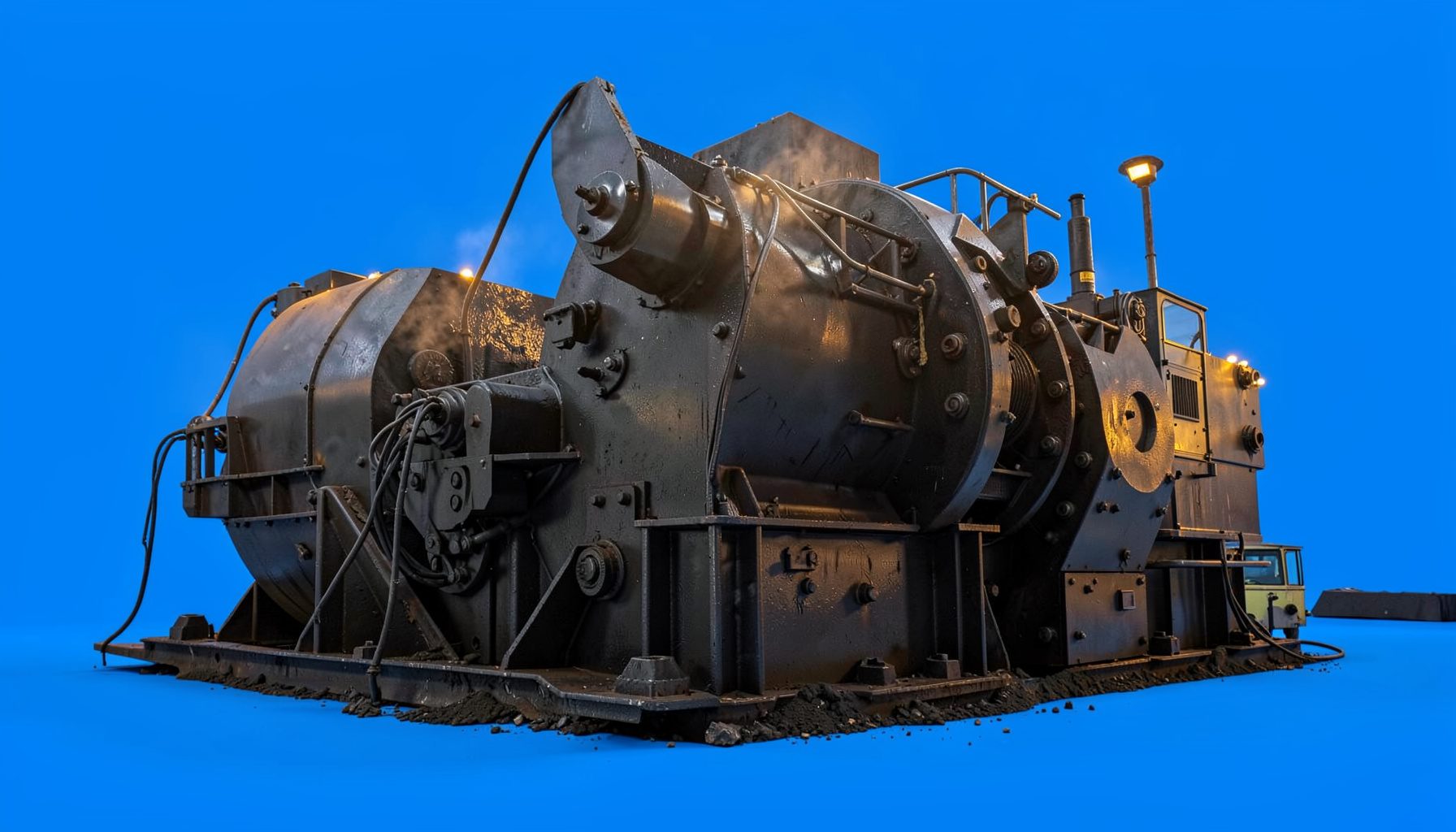
Setting Up a Mobile Crushing Plant for Road Projects
Mobile crushing plants give road contractors the flexibility to produce aggregate close to the work zone. Instead of hauling all material from a distant quarry, a contractor can process blasted rock, recycled concrete, or approved excavation material where it is needed. This can reduce truck movements, fuel use, and delays while giving the project team greater control over aggregate grading.
A typical train may include a vibrating feeder, jaw crusher, cone or impact crusher, vibrating screen, conveyors, magnets, and dust-control equipment. The correct combination depends on the feed material, required output, final product sizes, and available space. A short urban resurfacing job may need a compact impact unit, while a major highway upgrade may require a multi-stage circuit with stockpiling conveyors.
Australian conditions make planning particularly important. A plant working near Melbourne must account for traffic management, noise limits, and restricted access, while a remote Western Australian or Queensland project may focus on fuel storage, water supply, spare parts, and long-distance mobilisation. State and local approval requirements also vary, so the site team should confirm environmental, workplace health and safety, and land-access obligations before delivery.
The setup process should be treated as a production system rather than simply placing a crusher on level ground. Feed preparation, machine alignment, operator access, product transfer, maintenance clearance, and emergency controls all influence the final tonnes per hour. Careful preparation at the beginning usually produces a safer and more predictable operation throughout the road-building programme.
Define the Material And Production Target
Start with a representative assessment of the feedstock. Record rock type, maximum lump size, abrasiveness, moisture, clay content, and the percentage of oversize or unwanted material. Granite and basalt can be highly abrasive, while weathered rock may contain clay that blinds screens and reduces crusher efficiency. Recycled concrete may include steel, timber, asphalt, or other contaminants requiring separation.
The production target should be expressed in usable tonnes per hour, not simply the machine’s headline capacity. Allow for feed interruptions, screen recirculation, liner wear, moisture, and planned maintenance. A project requiring 180 tonnes per hour of road base may need a plant rated considerably higher to maintain that average during real working conditions.
For a broad view of equipment configurations, a mobile plant overview can help teams compare tracked and wheeled options. Tracked crushers are useful where the plant must move regularly around a large cut or embankment. Wheeled units are often faster to tow between prepared locations, although they need suitable transport arrangements and a stable operating pad.
The desired products should be defined before selecting the circuit. Road projects may require different grades for sub-base, basecourse, drainage rock, sealing aggregate, or asphalt feed. A final screening stage is essential when accurate grading matters, while a return conveyor and recirculation loop may be needed to achieve a tightly controlled specification.
Prepare The Site And Access Route
A mobile plant needs a firm, drained, and reasonably level platform. Remove soft topsoil, compact the foundation, and provide suitable aggregate or engineered fill where ground conditions are weak. The working pad must support the plant during operation and allow safe movement for loaders, water carts, service vehicles, and product trucks.
Access planning should include the full transport envelope, not just the crusher’s operating footprint. Check bridge limits, overhead power lines, turning radii, gate widths, gradients, and road restrictions. On a project outside Sydney or Brisbane, a low-loader may travel through several councils before reaching the site, so oversize transport permits and route assessments should be arranged well in advance.
Set out separate areas for raw feed, finished products, rejected material, fuel, maintenance, and waste. Keep stockpiles far enough from conveyors and walkways to preserve visibility and access. Position the feed hopper so that excavators or wheel loaders can work without reversing across pedestrian routes. A one-way traffic plan can reduce interactions between haul trucks and mobile plant.
A written setup planning guide can be useful when assigning responsibilities for delivery, assembly, testing, and handover. The project manager should nominate who controls isolation, who verifies guarding, and who approves the first production run. These details prevent assumptions between the crushing contractor, principal contractor, transport provider, and client.
Select The Crushing And Screening Circuit
The primary crusher receives the largest rocks and establishes the feed size for the rest of the plant. Jaw crushers are common for hard rock and large feed, offering a robust first reduction stage. Impact crushers can provide a more cubical product and are often suitable for softer rock, recycled concrete, and asphalt, although highly abrasive material may increase wear.
Cone crushers are generally used for secondary or tertiary reduction when the project requires consistent aggregate shape and a controlled product curve. They work effectively in closed-circuit arrangements with a screen that returns oversize material for further crushing. A vertical shaft impactor may be considered when manufactured sand or a particularly cubical fine aggregate is required.
Screen selection must match both the material and the specification. A two- or three-deck vibrating screen can separate several products in one pass, but wet or clay-rich feed may need scalping, washing, or an alternative screening arrangement. Oversize material should have a clear route back to the appropriate crusher, while saleable fractions should move directly to dedicated stockpiles.
Supplier information and independent equipment reference material can support early comparisons, but the final choice should come from site-specific calculations. Ask for recommended feed limits, expected liner life, screen media options, fuel consumption, noise data, and service intervals. A demonstration using representative material is more valuable than relying only on catalogue capacity.
Integrate Safety, Dust Control, And Compliance
Before commissioning, complete a task risk assessment covering transport, setup, start-up, operation, clearing blockages, refuelling, maintenance, and relocation. Crushing plants contain nip points, stored energy, moving belts, suspended components, and high noise levels. Guards, pull-wire emergency stops, access platforms, lockout procedures, and clearly marked isolation points must be installed and tested.
Dust management is critical near communities, schools, farms, and busy transport corridors. Use water sprays at transfer points, enclosed chutes where practical, controlled drop heights, and a water cart on unsealed haul roads. In dry parts of South Australia or inland New South Wales, water availability can determine the feasible production rate, so storage and replenishment must be included in the site plan.
Noise and vibration controls may include acoustic barriers, restricted operating hours, equipment positioning, and regular inspection of loose panels or worn components. Dust, noise, and runoff requirements are commonly influenced by state environmental authorities and local councils. The contractor should obtain the necessary approvals and keep monitoring records rather than assuming mobile equipment is exempt from site controls.
Digital administration also deserves attention. Use verified supplier documents, secure portals, and controlled copies of manuals, drawings, and inspection records. Search results can mix legitimate machinery information with unrelated material such as crypto deposit information, so procurement staff should verify the domain, technical source, and document revision before relying on online instructions.
Commission, Operate, And Maintain The Plant
Once the machines are positioned, check alignment between the feeder, crushers, screens, and conveyors. Confirm that discharge chutes do not obstruct walkways, transfer points are sealed, and stockpile discharge areas can be reached by loaders or trucks. Verify electrical connections, hydraulic lines, lubrication levels, belt tracking, guarding, fire equipment, and communication systems before introducing rock.
The first run should begin with empty conveyors and proceed through a controlled material test. Listen for abnormal vibration, inspect belt tracking, check bearing temperatures, and confirm that emergency stops shut down the relevant equipment. Then introduce feed gradually while monitoring amperage, crusher chamber levels, screen loading, recirculation, dust, and product gradation.
Operators should adjust the feeder rather than forcing excessive material into the primary crusher. Consistent feed improves throughput and reduces surges that can overload screens or conveyors. Keep the material drop centred, remove tramp metal quickly, and stop the plant before clearing any blockage. No person should enter a hopper, crusher, or guarded zone without a documented isolation and access procedure.
Planned maintenance protects production during long road contracts. Track liner thickness, screen media condition, belt wear, oil levels, fuel use, bearing temperatures, and hydraulic leaks. Keep critical spares such as belts, rollers, screen panels, jaw plates, cone liners, filters, and sensors on site where delivery times are long. For projects in northern Australia, schedule additional inspections around wet-season access constraints and extreme heat.
The best configuration depends on the material, product specification, mobility requirements, and available support. A compact arrangement may reduce mobilisation costs, while a larger closed circuit can deliver several consistent products without repeated handling.
| Project requirement | Suitable arrangement | Main advantage | Key limitation |
|---|---|---|---|
| Large hard rock feed and general road base | Jaw crusher, cone crusher, and screen | Strong reduction with controlled grading | More stages and higher setup complexity |
| Softer rock, recycled concrete, or asphalt | Impact crusher and screen | Cubical product and efficient shaping | Higher wear risk with very abrasive rock |
| Multiple aggregate sizes | Jaw or impact crusher, secondary crusher, and multi-deck screen | Produces several saleable fractions | Requires more space and stockpile management |
| Short urban or maintenance project | Compact tracked crusher and screen | Fast relocation and reduced site footprint | Lower peak capacity and limited stockpile volume |
| Remote highway or mining-road work | Heavy-duty mobile circuit with conveyors | Less truck haulage and better site independence | Requires strong logistics, fuel planning, and spares |
At handover, record the tested capacity, product gradation, fuel consumption, operating limits, and outstanding defects. Train each shift on normal settings, alarm responses, isolation, and housekeeping. With a properly prepared pad, suitable crushing circuit, disciplined feed control, and planned maintenance, a mobile plant can become a dependable aggregate production centre for Australian road construction.