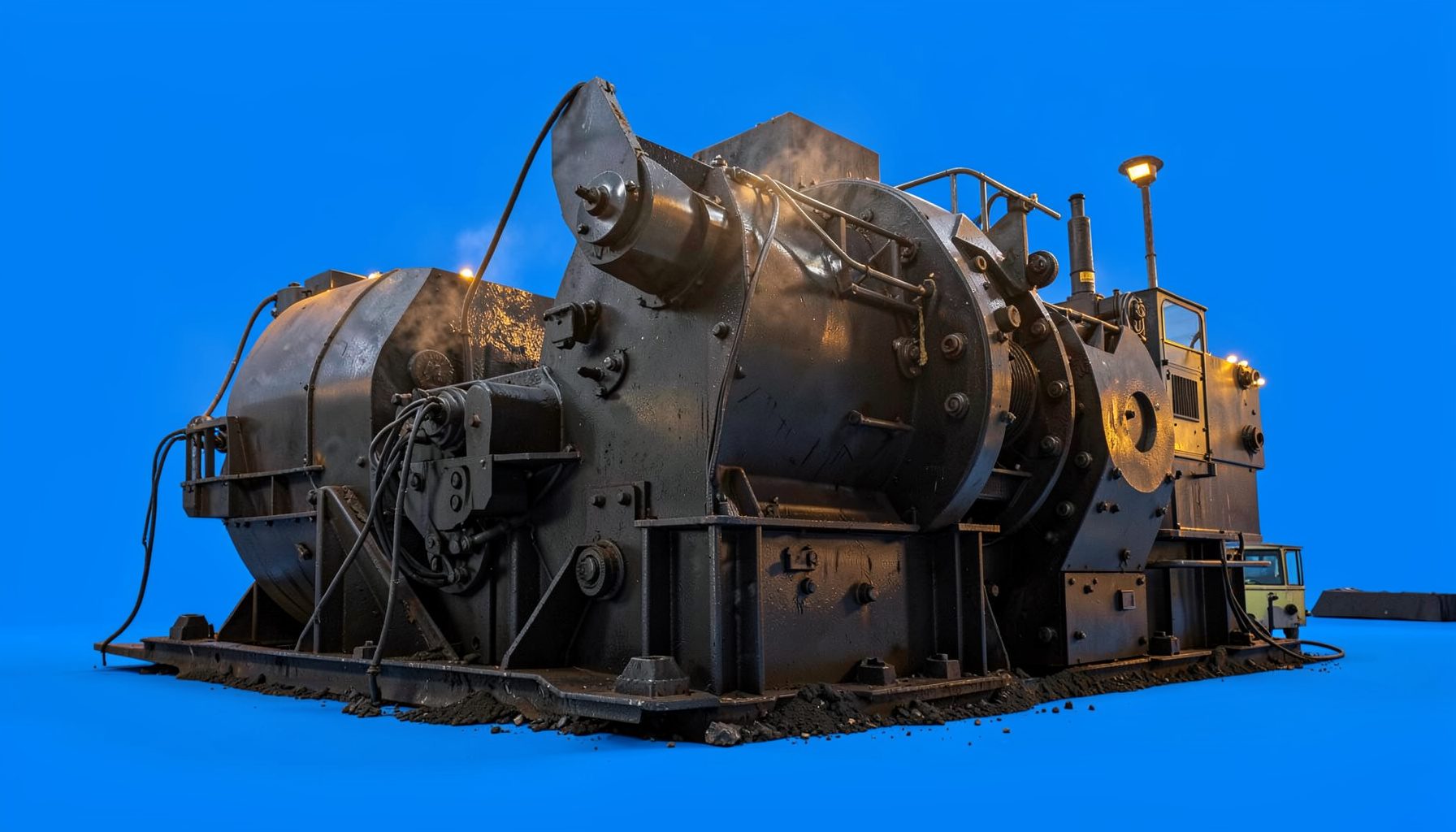
Mobile Crushing Plant Costs Against Fixed Plant Haulage
The economics of using a mobile crushing plant vs. hauling to a fixed plant can change with every site, yet the calculation is usually more familiar than it first appears. Compare the full cost of moving run-of-mine material, operating the crusher, moving finished product, maintaining access and handling delays. A diesel bill alone does not reveal which option is cheaper.
Across Australia, cartage is rarely a simple line item. A haul truck working between the pit and a central plant burns fuel, carries road-maintenance costs and loses productive time in queues. In the Pilbara, long distances make that clear. Around the Hunter Valley, coal operations add rail interfaces, stockpile constraints and strict traffic schedules, while metropolitan quarry markets near Melbourne and Sydney face urban traffic and tighter operating windows.
A mobile crushing plant shifts much of that work from the road to the crusher. It can travel to a satellite deposit, sit beside the loader or process stockpiles when the main circuit is unavailable. That flexibility can preserve production during fixed-plant maintenance, but it introduces mobilisation, setup and transport tasks of its own. The equipment still has to match the rock, feed rate and required product.
Fixed processing remains compelling where tonnes are steady, the feed is already concentrated and infrastructure is amortised over years. It offers central maintenance, easier access to fixed conveyor and washing systems, and predictable power and labour arrangements. The better choice is therefore determined by total cost per tonne, throughput, utilisation and risk, not by the purchase price of the crusher.
Cost drivers at a glance
Start with the costs that differ between the two arrangements. Haulage must include loading, road use, traffic control, driver time, fuel and the cost of moving both feed and products. Mobile plants reduce some road movements but may need generators or electrical connection, plus setup and relocation. Fixed plants spread civil works across a stable site but usually require a dependable feed and product conveyor network.
| Factor | Mobile crushing plant | Fixed crushing plant |
|---|---|---|
| Capital | Higher upfront cost per tonne of capacity; fewer permanent buildings | Lower unit equipment cost, but foundations, steelwork, electrical and control systems |
| Feed movement | Short feed runs from face, stockpile or loader | Long haul from pits or multiple quarry areas |
| Flexibility | Relocate between deposits or campaigns | Designed for a stable duty cycle and defined site |
| Energy | Often diesel at remote sites; grid power possible | Usually mains power, with lower exposure to machine relocation |
| Labour and maintenance | Field service, travel and remote spares can raise downtime | Central workshop, utilities and maintenance support |
| Product logistics | Product stockpiles can sit close to the crushing face | Central conveyors and loadouts simplify bulk handling |
Capital is only one part of the ownership picture. A low purchase price can be overwhelmed by repeated moves, changeovers and waiting for a suitable pad, while a fixed installation can become stranded if the ore body changes. Mobile equipment also benefits when several small reserves are developed over time, because each short campaign can use the same crushing capacity.
The reverse is equally important: a dedicated fixed plant usually wins when one hard-rock quarry supplies a steady high-volume feed. Centralised spares, workshop technicians and wash-water systems are easier to support, and operators can standardise maintenance. In Australian terms, the key question is whether enough tonnes will pass through the equipment each year to recover those fixed costs.
Feed logistics and quarry layout
Feed logistics often decide the answer before product logistics. A track-mounted or wheel-mounted crusher can take short feed runs from a loader, a ROM pad or a strategically placed stockpile. Scalping can protect the primary crusher from fines and reduce maintenance. A vibrating grizzly feeder explains how this arrangement works and why controlled feed can improve crusher utilisation.
Hauling to a fixed plant offers central control but makes every tonne travel farther. The route may cross active mining traffic, require a dedicated truck queue or expose wet, sticky material to the elements. Where a quarry has several benches, contractors or satellite pits, fixed-plant feed roads can become a bottleneck. Alternative feed routes may add distance that looks small on a drawing but becomes expensive across every shift.
Mobile plants need level ground, stable bearing, clear separation from loading equipment and room for product stockpiles. These requirements do not necessarily mean a permanent civil platform; prepared pads and temporary hardstands can work, provided drainage and traffic plans are sound. Moving the crusher also creates a hidden cost: each campaign needs inspection, repositioning, production ramp-up and a fresh commissioning check.
Capital, capacity and break-even
Compare capital on a usable tonnes-per-hour basis rather than on the quoted machine price. Include feeders, conveyors, generators, screens, water connections, control systems, installation, spares and working capital. A fixed plant also carries costs for foundations, workshops, offices, roads and utility connections, while a mobile package can spread these costs across several sites if utilisation remains high.
Break-even is a practical test. Calculate the avoidable cost of each additional haul kilometre, including truck fuel, driver wages, tyres and road damage. Compare that with the mobile plant's extra operating cost and the fixed plant's remaining fixed charges. If trucks cover only a short distance and the crusher can be maintained without repeated mobilisation, the mobile option often gains an advantage.
Run the calculation at realistic utilisation, not nameplate capacity. A 200 tph plant used for 1,000 hours behaves very differently from one running two shifts for 4,000 hours. Feed moisture, ore hardness, required reduction and stockpile availability can reduce usable capacity. Broader mineral processing guidance is useful for checking how crushing, screening and classification affect the tonnes actually delivered.
Fuel, maintenance and site labour
Fuel use depends on where and how the plant operates. A diesel mobile unit can avoid long empty or loaded hauls, but a generator adds conversion losses and servicing needs. A fixed electrically powered plant near grid connections can be efficient and easier to monitor, yet a long underground cable or remote substation carries its own cost. Use actual duty cycles and local diesel or electricity prices in the comparison.
Maintenance is where mobile plants can lose their apparent saving. A failure in a remote Pilbara location may require a mechanic, crane and parts flown or driven in, while a damaged conveyor or hydraulic component stops the whole spread. Stock critical spares, establish a service response plan and include workshop access in the model. At a fixed plant, centralised technicians, washers and inspection routines can reduce waiting time.
Labour is a substantial Australian operating cost, particularly for FIFO and isolated-site operations. Drivers, operators and fitters command different rates depending on certification and location. Mobile crushing can reduce the number of truck drivers, but it may add a dedicated fitter and frequent changeover labour. Fixed plants generally make supervision and training easier, although maintaining a seven-day operation can still require a substantial crew.
Product quality and downstream processing
Crushing close to the feed can cut rehandling and limit the number of times damp material is dropped, screened or hauled. It does not guarantee a better product, because mobile plants need the same discipline over feed size, crusher settings, dust control and stockpile segregation. Oversize must return to the crusher rather than bypass it, and loader operators need clear guidance so fines do not dominate the feed.
The required specification should drive the configuration. A Shanghai CME mobile plant can pair jaw, cone or impact crushing with feeders, conveyors and screens for quarry or aggregate duty. Cone crushers suit many hard, abrasive applications; impact crushing can produce a favourable cubical shape; and sand-making equipment may be required for manufactured sand. The best choice should follow the specification, not simply the lowest operating wattage.
Consider what happens after crushing. Washing, screening and classification may justify a central fixed installation because water, sludge handling and product control are easier to manage. Vertical mills and trapezium mills serve selected cement and mineral-processing duties, although they are not substitutes for primary crushing. The case for a vertical roller mill for coal grinding is explained in vertical roller mill guidance, which also highlights the importance of feed preparation and energy control.
Site access, safety and compliance
Australian approvals can influence the economic result as much as machine performance. A mobile plant still needs environmental approval for crushing, dust and noise, along with suitable stormwater controls, fire prevention and safe separation from the public. Local council conditions near Melbourne, Sydney or regional towns may limit operating hours, stockpile heights and vehicle movements. A fixed plant normally needs a more formal industrial approval, but it can offer better control of these conditions.
Traffic and safety planning are equally important. Heavy trucks entering a public road require clear routes, signage and exclusion zones, while mobile equipment creates interaction risks wherever loaders and crushers work close together. Fixed layouts permit fixed barriers and controlled crossings; mobile layouts need a repeatable travel path and disciplined parking. Either way, include traffic management, clean-up, lighting and dust suppression rather than treating them as minor extras.
Quality assurance should be built into operating costs. Screens, belts and crusher outputs need regular sampling and checks, and mobile plants need calibration after movement or wear changes. Access to suitable calibration instruments supports those checks. When the model includes reliable outputs, safe work routines and predictable maintenance, mobile crushing can reduce haulage exposure sharply, while a fixed plant can retain the advantage at high, continuous utilisation.