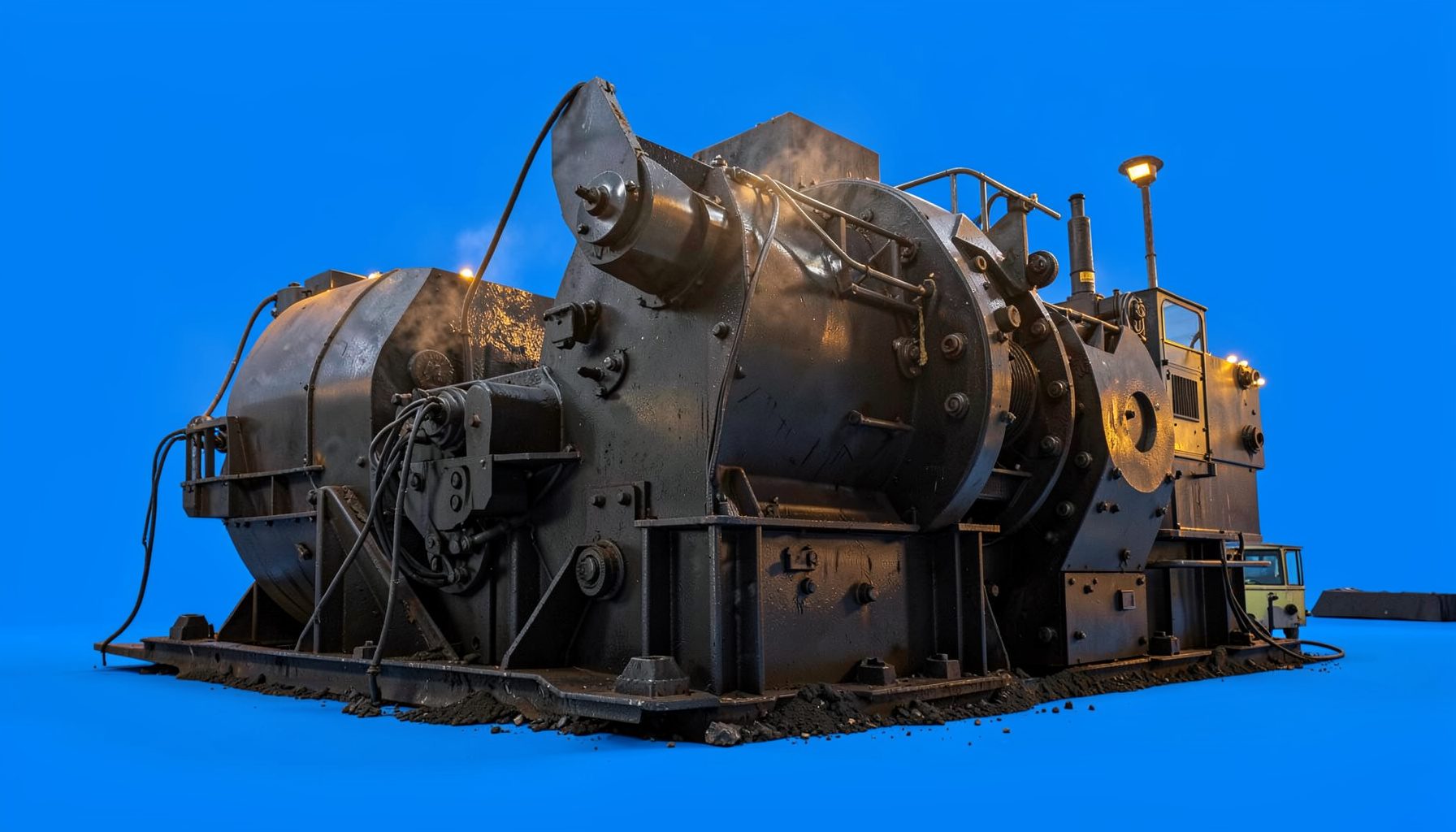
Why high-frequency screens improve fine separation
The benefits of using a high-frequency screen for fine material separation are clearest when a plant must turn a mixed feed into a controlled, saleable product. By applying rapid, low-amplitude vibration to a finely perforated deck, the unit lifts particles and stratifies them by size. Undersize material passes through the mesh while larger pieces remain for crushing, washing or disposal. This is valuable for producing manufactured sand, grading aggregate, recovering valuable fines and tightening a final product specification after a jaw, cone or impact crusher.
Australian operators face variable feed conditions, long transport distances and strict workplace requirements. The right screening system must therefore deliver more than a narrow cut point: it should maintain reliable capacity, cope with dust and heat, integrate with existing feeders and conveyors, and remain economical across thousands of operating hours. These considerations are particularly relevant to quarrying and mineral-processing operations around Perth, mobile crushing contractors serving Melbourne and Brisbane, and remote sites where maintenance support and spare parts may take time to arrive.
How high-frequency screening works
A high-frequency vibrating screen uses a high-frequency, low-amplitude motion to improve particle stratification across a screening deck. The fast movement reduces the effective particle size presented to each aperture, which supports accurate classification of fine sand, powders and mineral granules. Multiple deck layers can separate several size fractions in one pass, reducing the number of separate screening stages required by some aggregate-processing plants.
Screening efficiency depends on more than motor power. Deck area, open-area ratio, wire diameter, screen media, feed distribution and moisture all influence performance. High open-area screens allow more material through each square metre of deck, while properly selected mesh reduces blinding. A high-frequency screen can therefore improve capacity without requiring a proportionally larger machine, provided the feed is suitable and the screen is operated within its design envelope.
The equipment is not a universal solution for every material. Sticky clay, damp screenings, highly viscous fines and feeds containing sharp, oversized particles can reduce separation accuracy or damage screen media. A laboratory gradation test and a site trial should establish particle-size distribution, moisture content and throughput before a final configuration is selected.
Throughput, recovery, and product quality
Precise classification reduces waste and improves recovery of material that has commercial value. A high-frequency screen installed after crushing can return correctly sized particles to the product stream while diverting oversize rock for further size reduction. This lowers recirculating load, prevents undersized material from consuming crusher capacity and helps create a more uniform finished aggregate.
Stable screening also reduces variation in downstream equipment. When the feed to a sand-making machine, vertical mill or trapezium mill is consistent, the finished product is easier to control. In mineral processing, improved liberation and size separation can raise the recovery of saleable concentrate. The economic benefit is therefore measured through higher usable yield and fewer tonnes reprocessed, not simply through the screen’s rated capacity.
Feed presentation has a major influence on these results. An overview of feed metering options explains how feeders and conveyors can meter material differently into crushing equipment. Screens need a continuous, reasonably even layer rather than a concentrated surge, because uneven loading can expose part of the deck while leaving another section underused.
Fit with Australian operating conditions
Conditions in Western Australia create a demanding test for fine screening equipment. Around Perth and the Pilbara, summer heat, dust and long travel distances between mine sites can increase bearing wear and make maintenance scheduling more difficult. FIFO workforces may operate extended rosters, so reliable equipment and simple inspection routines are important. A high-frequency screen with accessible components can reduce the time required for routine checks and help maintain consistent separation during long production campaigns.
Dust exposure, noise, guarding and isolation must also be considered within Australia’s Work Health and Safety framework. Safe Work Australia publishes model rules and guidance, while state regulators apply requirements covering hazardous exposure, equipment safety and risk management. Operators should assess respirable crystalline silica, noise and pinch hazards as part of their site-specific controls. Isolation, lockout procedures, guards and documented maintenance remain essential even when the screen enclosure is fully automated.
The following comparison highlights where high-frequency screening is most useful and where another configuration may be more suitable.
| Selection factor | High-frequency screen | Conventional vibrating screen | Rotary classifier |
|---|---|---|---|
| Separation principle | Rapid, low-amplitude vibration | Larger-amplitude, lower-frequency vibration | Rotation and gravity-assisted sizing |
| Best-suited material | Fine sand, powders and mineral granules | General aggregate and crushed stone | Sticky, heavy or specially classified feed |
| Fine size control | Very high when properly configured | Good within the deck’s normal range | Moderate to high |
| Capacity per unit area | High because of strong stratification and open area | Good for conventional screening duties | Application-dependent |
| Water demand | Low to moderate with controlled spray | Usually low | Often moderate to higher |
| Maintenance focus | Exciters, bearings, seals and screening media | Springs, shafts, bearings and media | Gearbox, flights, bearings and wear surfaces |
| Main limitation | Sensitive to unsuitable moisture and blinding | Less efficient for some very fine duties | Larger footprint and slower classification |
A comparison should be based on actual feed conditions rather than equipment labels alone. Clay may require washing or a different classification stage, while dry crushed limestone may suit a conventional screen. Mobile crushing and screening plants also need compact foundations, quick-access components and controls that can be checked by operators working long shifts.
Feed control and plant integration
A vibrating feeder can improve the consistency of crushing operations by maintaining a measured flow and preventing surge loads. The relationship is explained in consistent crusher feed, where even feed distribution supports steadier power draw, better chamber filling and more predictable product size. The same principle applies to screening: a controlled layer gives the high-frequency deck the best opportunity to classify every section of the feed.
Integration should extend beyond the screen itself. Apron feeders, belt conveyors, transfer chutes, crushers, washing plants, vertical mills and stackers must all share compatible capacities. Variable-speed drives and adjustable gates can respond to changes in feed moisture and loading, while process sensors can monitor motor current, vibration and feed rate. Automatic controls are useful, but they should supplement—not replace—operator inspection and a robust maintenance plan.
Shanghai CME Mining and Construction Machinery Co., Ltd. supplies crushing, grinding, screening, washing and material-handling equipment for aggregate and mineral-processing applications. Its range includes jaw, cone and impact crushers, sand-making machines, vertical and trapezium mills, vibrating feeders, conveyors and mobile crushing plants. These systems can be considered as a connected plant rather than as isolated products, allowing screen selection to influence crusher configuration and overall material flow.
Maintenance, safety, and operational resilience
Routine care has a direct effect on screening efficiency and operating cost. Operators should inspect screen media for wear, cracks, blocked apertures and loose fasteners, while checking exciter bearings, motors, seals, springs or suspension components and vibration settings. A recorded baseline helps technicians identify gradual changes that otherwise become an unexpected failure. Replacement schedules should reflect operating hours, material abrasiveness and actual condition rather than a generic calendar interval.
Screens also create stored mechanical energy, so isolation must be rigorous. Lockout or tagout procedures should follow the site’s approved risk-assessment process, and guards should remain in place around drives, pulleys and discharge openings. Dust extraction or suppression must not obstruct ventilation or motor cooling. Remote sites should hold suitable spare screen media, seals and bearings, while technicians need clear diagnostic instructions and access to local parts suppliers.
Resilience planning in agriculture offers a useful parallel. The approach described in livestock weather protection shows how advance preparation reduces losses during sudden heat, rain or wind. Screening plants require comparable readiness: protected electrical connections, inspectable cooling arrangements, emergency access and contingency plans for feed disruption keep production stable when conditions change unexpectedly.
Evaluating the business case
The correct comparison considers total operating cost rather than purchase price alone. Buyers should assess screening efficiency, recovered product value, power consumption, screen-media consumption, maintenance hours, expected uptime and the effect on downstream crushers. A slightly more expensive unit can produce a better result if it reduces recirculating load, maintains a narrower particle-size range or requires fewer unplanned stoppages.
Long-term protection is also important when equipment must remain productive across a demanding operating life. This is comparable to degradation warranty protection for solar assets, where performance retention over time preserves the investment. For screening systems, equivalent confidence comes from clear warranty terms, available spare parts, technical support and documented performance guarantees for the agreed feed and duty.
Final selection should be tied to measurable operating data: the required cut point, feed grading, maximum moisture, hourly tonnes, desired product fractions, available water, layout constraints and dust-control requirements. Supplier capability must include those variables rather than relying on one nominal throughput figure. For Australian buyers, local service coverage, parts logistics and compatibility with mobile or fixed plant determine how well theoretical screening performance translates into dependable production.