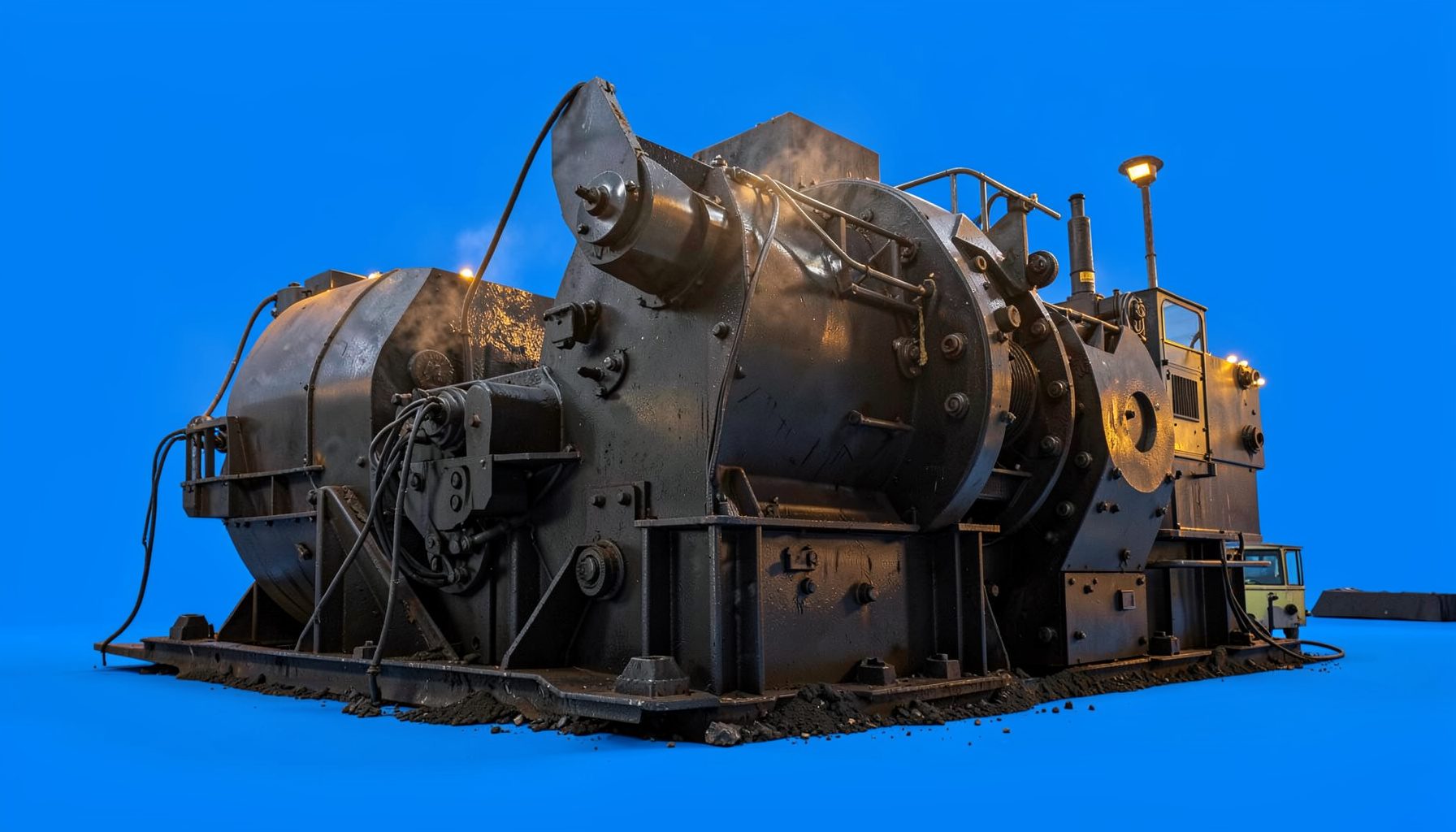
Mobile jaw crushers with vibrating grizzly feeders
Mobile jaw crushers with a vibrating grizzly feeder form a winning combination in hard-rock quarrying, construction aggregate production and mineral processing. The feeder controls the surge entering the crusher, while the grizzly deck separates undersize material before the jaw performs any crushing. Shanghai CME Mining and Construction Machinery Co., Ltd. pairs these functions in mobile crushing plants that can include tracked undercarriages, belt conveyors, hydraulic adjustment and optional screening. The result is a compact flow of stone from feed hopper to crushed product.
Australian operators face a demanding mix of feed conditions. A quarry near Melbourne may process relatively uniform basalt, a project outside Perth may carry wet lateritic gravel, and a mine near Brisbane may handle abrasive iron ore. Road construction and urban growth keep demand for dependable base material high. For buyers in this market, mobile equipment offers a practical advantage: one plant can move between extraction faces, stockpiles and remote aggregate sites without a lengthy rebuild.
After tipping, the vibrating feeder spreads material across the grizzly bars. Fines and small particles fall through the openings and travel to a side conveyor, while oversized rock continues to the jaw crusher. This pre-screen reduces chamber filling, wear and cycle time. The feeder also meters the load, limiting impacts that can damage jaw bearings or the main frame. Careful bar spacing and feed distribution therefore influence output as much as the crusher’s nominal capacity.
A sound purchase compares the whole duty cycle, not just advertised tonnes per hour. Maximum feed size, reduction ratio, product size, working hours, ground conditions and parts support should appear in the same performance model. The Australian market includes local distributors, used-equipment dealers and imported manufacturers, making transparent warranty coverage and parts access important considerations. Site teams also cover long distances between regional quarries and metropolitan plants, so remote diagnostics and sensible spares inventories have practical value.
Why the combination works
Crushing stations often receive uneven loads from excavators, wheel loaders or trucks. When coarse and fine fractions arrive together, a conventional hopper can cause the jaw to choke, particularly when fines settle around larger rocks. The grizzly’s vibrating action keeps material moving and provides a controlled layer across the feed opening. This is valuable on Australian sites where contractors commonly vary loading rates to keep crushing and hauling schedules aligned.
The arrangement also reduces the amount of fine material carried into the crushing chamber. A side conveyor can deposit this bypass material beside the crusher or route it to a final product stockpile. In roadbase and concrete aggregate applications, that separation can create saleable product sooner. A vibrating grizzly is especially useful where feed contains clay-prone fines, although water, sticky material and high-moisture conditions still require hopper and belt design checks.
Components that drive performance
Feeder and crusher capacity must be matched through their actual operating range. Jaw setting, or closed-side setting, determines the smallest dimension leaving the chamber; grizzly bar spacing determines what reaches it. Wider spacing improves the jaw’s working feed but sends more material to the crusher, while narrower spacing increases bypass capacity and raises the conveyor duty. Hydraulically assisted setting changes allow operators to adapt the product during a shift without prolonged manual work.
Power and drive arrangement deserve equal attention because crushing loads vary with feed hardness, moisture and gradation. Belt tension, pulley alignment, gearbox condition and protection from surge all affect availability. Useful engineering background appears in this guide to motor and drive selection. Electric drives suit sites with stable grid power, while diesel-hydraulic packages offer mobility away from mains. Remote monitoring should record feed rate, crusher pressure, bearing temperature and belt performance rather than relying on one operating figure.
Matching capacity to feed and product
Feed trials should use representative stone from the actual face or stockpile. A contractor promising output based on uniform laboratory gravel may understate the effect of weathered rock, elongated particles or mixed ore. For hard rock, the reduction ratio is commonly established between the maximum feed dimension and the closed-side setting, but the entire size distribution matters. The plant supplier should state whether its rated capacity refers to open-circuit operation or includes recirculating material, and identify any feed conditions outside the rating.
The crushed stream then needs a destination. Screens can remove fines, produce graded products or protect downstream conveyors from oversized pieces, and their duty changes sharply between wet and dry Australian feeds. This screen selection guidance explains why aperture, wire type and screen area must follow the application. A mobile jaw plant can also operate in open circuit, with the discharge conveyor building a stockpile, or in closed circuit with a return conveyor and screen. The latter generally improves control but adds capital, power and maintenance.
| Configuration | Typical Australian use | Main strengths | Main limitations |
|---|---|---|---|
| Tracked mobile jaw plant | Long-cycle quarry, mine and infrastructure sites | Strong traction, stable crushing and easy relocation over uneven ground | Higher purchase and undercarriage cost; transport still requires checks |
| Wheel-mounted mobile jaw plant | Urban aggregate and shorter construction projects | Quick road movement and simpler site setup | Road-transport limits, lower stability and greater sensitivity to ground conditions |
| Semi-mobile skid-mounted jaw plant | Recurrent crushing duties with limited relocation | Lower mobilisation cost and flexible feed arrangement | Requires lifting and anchoring; unsuitable for frequent moves |
Productivity and operating economics
Peak capacity is valuable only when a plant can sustain it through a full shift. Feed consistency, screen condition and preventive maintenance often move the hourly figure more than nominal motor power. Operators should track tonnes per operating hour, fuel or electricity per tonne, and time spent waiting for feed. On a mobile installation, a failed belt or hydraulic component can stop the entire circuit, so critical spares and access to competent service support belong in the operating budget.
Condition monitoring can reveal early signs of bearing wear, imbalance or a damaged drive belt before a breakdown occurs. Portable vibration, temperature and alignment tools must be calibrated and used consistently, while laboratory checks confirm that the product still meets its specification. For measuring and civil-materials test equipment used alongside crushing operations, a specialist source such as Cavendish Instruments can be evaluated. Shanghai CME’s related feeders, conveyors and crushing equipment can be specified as one serviceable system, with spare-parts lists and maintenance intervals established before shipment.
Safety, compliance and maintenance
Mobile crushing equipment sits within Australian work health and safety obligations. Operations must follow applicable state or territory WHS laws and relevant Safe Work Australia model codes, with site-specific risk assessments covering moving parts, crushing pressure, maintenance access and reversing vehicles. Physical exclusion zones, lockout procedures, compliant access platforms and daily prestart checks should be built into the operating system. Supplier documentation helps, but principal contractors and duty holders remain responsible for controls at each Australian site.
Liners are both a wear item and a safety-critical part of the crushing chamber. Indicators such as reduced product size, uneven wear, excessive noise, exposed feed and hydraulic adjustment problems can mean a liner needs replacement. This overview of crusher liner replacement sets out practical warning signs. Work should follow the manufacturer’s procedures, with stored energy released and the chamber made safe before removal. Routine inspections are generally more economical than waiting for visible damage that allows fines to circulate through the crusher.
Transport planning also affects compliance. A tracked plant may need to travel on a low-loader or specialist transporter, while a wheel-mounted unit still faces axle, mass and dimension limits. Oversize loads require the permits, route checks, escorts and load restraint required in the relevant jurisdiction. Urban sites near Melbourne, Perth or Brisbane often operate under tighter noise, dust and traffic controls. Water sprays, wheel washers, covered conveyors and careful stockpile placement help meet local environmental approvals and community expectations.
Selecting and commissioning the right package
Begin with a written duty envelope: maximum feed size, typical gradation, hardness, moisture, required closed-side setting, target production and shift pattern. Provide samples, maps and photographs, then request a selection showing grizzly opening, jaw setting, conveyor speeds, drive power and expected product curve. A credible supplier should identify assumptions and offer a trial or witnessed acceptance test. This prevents a nominal capacity figure from being compared with a different feed or operating condition.
The quotation should separate the mobile jaw crusher, vibrating grizzly feeder, discharge conveyor, undercarriage, engine or motor package, controls, guarding, lifting points, commissioning and spare parts. It should also state shipping terms, documentation, electrical or hydraulic standards and local support arrangements. If the project includes a vertical mill or another grinding stage, calculating grinding media consumption allows downstream media needs to be considered alongside crusher liners and belts. Shanghai CME Mining and Construction Machinery Co., Ltd. supplies mobile crushing plants and related processing equipment, with product information and contact details for its Shanghai headquarters. Matched feed control, crushing capacity and documented support give Australian operators a mobile production system designed for predictable performance and maintenance costs.