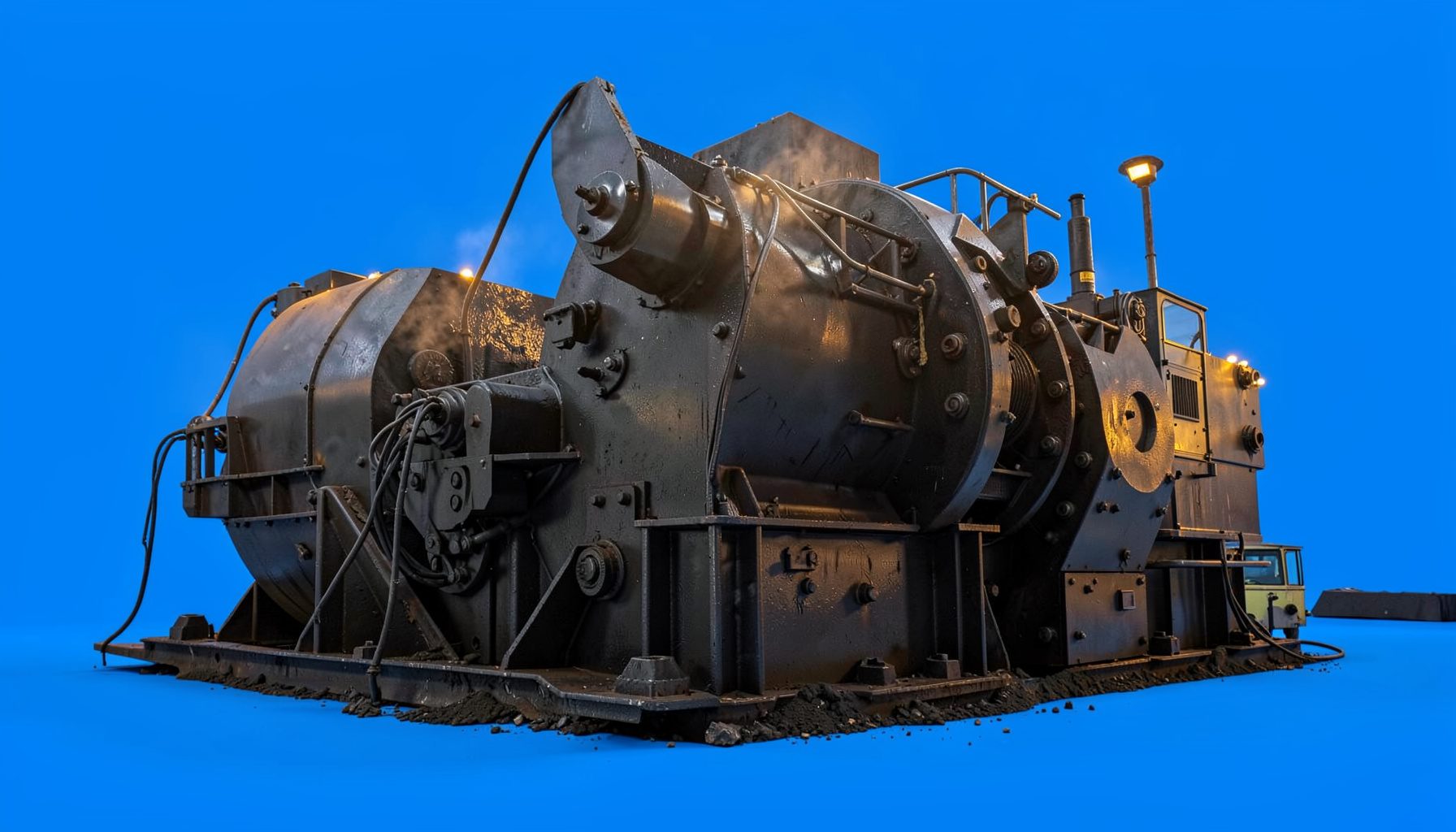
When crusher liners need replacing in Australian operations
Crusher liners protect the working surfaces of a machine while shaping the rock, ore or recycled material passing through it. In a jaw crusher, these replaceable plates absorb impact and guide material through the crushing chamber. In cone and impact crushers, mantle, concave, blow bar and apron liners perform a similar protective role under different loading conditions.
A liner does not reach the end of its useful life only when it breaks. Gradual wear changes the chamber profile, reduces crushing efficiency and can increase the load on bearings, drives and other components. Detecting that change early is especially important for Australian quarries and mines, where replacement parts may need to travel long distances to a remote site in Western Australia, Queensland or the Northern Territory.
The correct replacement interval depends on feed hardness, abrasiveness, moisture, chamber design, closed-side setting and operating hours. A manganese liner processing hard basalt near Melbourne may wear differently from one handling softer limestone outside Perth. Regular measurements and operating records are therefore more reliable than relying on a fixed calendar date.
| Condition observed | Likely effect | Recommended response |
|---|---|---|
| Even wear with sufficient profile remaining | Stable production and product shape | Continue scheduled inspections |
| Thin sections or a distorted profile | Lower capacity and poorer gradation | Plan a liner change |
| Cracks, breakage or loose sections | Risk of machine damage and uncrushed material | Stop safely and inspect immediately |
| Frequent plugging or rising power draw | Chamber geometry or setting may be compromised | Check liners, feed and operating settings |
| Severe localised wear | Uneven loading, segregation or feed problem | Investigate the cause before fitting new parts |
Why liner condition affects the whole circuit
Crusher liners determine the shape and width of the crushing chamber. As the wear profile changes, rock may spend longer in the chamber or leave before it has reached the intended size. Operators may respond by tightening the setting, increasing feed or running the machine for longer, yet these adjustments can raise energy consumption and accelerate wear elsewhere.
A worn liner can also alter the distribution of force through the crusher. In a cone crusher, an uneven mantle or concave may create unstable crushing pressure and abnormal vibration. In a jaw crusher, a worn tooth profile can reduce the grip on slippery or rounded feed. The result may be lower tonnes per hour, more recirculating load and a product that no longer meets the specification for road base, concrete aggregate or railway ballast.
CME’s broader crushing equipment range includes machinery used in quarrying and mineral processing, where liner selection should be considered alongside the crusher model, feed arrangement and downstream screening equipment. A liner is a working part of a complete process, not an isolated consumable.
The visible signs of excessive wear
The clearest warning is a liner that has become noticeably thin, flat or uneven. Many liners are designed with a wear limit, groove or reference profile. Once the remaining thickness approaches the manufacturer’s minimum, replacement should be scheduled even if the machine is still operating. Waiting until the steel disappears can expose the shell or supporting surfaces to severe damage.
Look for cracks, holes, broken teeth, loose sections and pieces of liner found in the discharge. A damaged liner can move under load, strike another component or allow feed material to contact the crusher body. In an impact crusher, a cracked blow bar or worn impact apron can create a serious imbalance, producing vibration and secondary damage.
Uneven wear deserves particular attention. One side of a liner may wear faster when the feed enters off-centre, when fines segregate on a conveyor or when the crusher is consistently run below its recommended choke level. In a remote Pilbara operation, recording the location and shape of wear during each planned shutdown can help maintenance teams correct the feed problem before installing another expensive set.
Changes in product size and capacity
A change in the final product is often the first operational clue. If a secondary crusher begins producing too much oversize, the liner profile may have opened the effective crushing zone or reduced the contact area between the surfaces. If fines increase unexpectedly, a distorted chamber may be retaining material for longer than intended.
Capacity can fall even when the feed rate appears unchanged. Operators may notice that the hopper level remains high, the discharge conveyor carries fewer tonnes or the recirculating load on the screening circuit grows. These symptoms can also result from a blocked screen, damp feed or an incorrect setting, so liner wear should be assessed alongside the rest of the plant.
Power draw provides another useful indication. A worn or poorly seated liner can make the crusher work harder, causing current spikes or a sustained increase in motor load. Compare amperage, pressure, throughput and product grading with historical records rather than judging a single reading. A pattern across several shifts is more meaningful than an isolated fluctuation.
Vibration, noise and temperature warnings
A crusher that develops a new rattling, knocking or metallic sound should be inspected promptly. Loose liner hardware, a fractured plate or a worn retaining surface can produce intermittent noise that becomes more pronounced as feed enters the chamber. Operators should never enter a crusher to investigate while it is live; isolation, lockout and the site’s confined-space procedures are essential.
Rising vibration may indicate uneven liner wear, an unbalanced impact rotor or material trapped behind a liner. Increased bearing temperature can occur when the machine is overloaded because the worn chamber no longer processes feed efficiently. These warnings should be recorded with the operating conditions, including feed type, moisture and crusher setting.
Pre-start inspections are common practice across Australian quarry and mining sites, from New South Wales hard-rock quarries to aggregate plants around Brisbane. A short visual check, combined with a review of the previous shift’s alarms and production figures, can identify a developing liner problem before it becomes an unplanned shutdown.
Measuring wear instead of guessing
Visual inspection is useful, but measurement gives maintenance teams a defensible basis for replacement. Use the crusher manufacturer’s wear points, templates or minimum-thickness instructions. Measure several positions around the chamber because a single reading can hide localised wear. Record the result with the date, operating hours, feed material and liner configuration.
A wear map can reveal patterns that are easy to miss during a quick inspection. If the feed opening, centre or discharge zone wears faster than expected, check the distribution of material entering the crusher. For a jaw crusher, inspect the fixed and swing plates together; replacing only one may create an unsuitable profile and increase stress on the new part.
Digital photographs, production reports and power records make trend analysis easier. Many Australian businesses schedule major maintenance around planned site shutdowns, including the quieter period between Christmas and the New Year. Ordering liners several weeks ahead allows time for transport, lifting plans and competent installation, especially when the quarry is far from Adelaide, Sydney or a major spare-parts warehouse.
Choosing the right replacement liner
The replacement should match the crusher model, chamber type, feed size and application. Manganese steel is widely used for compressive crushing and work-hardens under impact. Different manganese grades may suit different levels of impact and abrasion. In highly abrasive applications, alternative alloys or composite designs may provide a better service life, but the gain must be balanced against purchase cost and compatibility with the machine.
A liner that lasts longer is not automatically the best choice. If it changes the chamber profile, increases power consumption or produces the wrong product shape, the apparent saving can disappear through lower throughput and extra screening. Feed containing tramp steel, sticky clay or high moisture may also require a different operating approach rather than a harder liner alone.
CME’s information on crushing equipment options can help plant planners compare crusher types and supporting machinery, while the final liner specification should come from the equipment manufacturer or a qualified service representative. Confirm bolt sizes, backing material, lifting points and tightening requirements before the old liner is removed.
Coordinating replacement with the processing plant
Changing liners is a plant-wide maintenance task. Before the shutdown, clear the feed hopper, stop upstream equipment, isolate every energy source and verify that stored material cannot fall into the crusher. Prepare lifting equipment, certified slings, suitable tools, new fasteners and the required backing compound. A written risk assessment should cover suspended loads, pinch points, working at height and access inside the machine.
After installation, check that all liner sections are seated correctly and that retaining hardware is tightened to specification. The crusher should be rotated or jogged only under an approved procedure, with guards fitted before normal operation. A controlled bedding-in period may be required because new liners initially have a different profile and contact pattern from the worn set.
The rest of the circuit must be ready as well. A replacement liner may restore crusher capacity, which can expose a limitation in the screen, transfer point or conveyor. Guidance on a feeder and conveyor system explains why controlled feed and material flow matter to screening performance. In a recycled aggregate plant, suitable wire mesh dividers can also help separate unwanted materials before they reach crushing equipment.
Building a practical replacement schedule
The best schedule combines wear measurements, production data and a realistic parts lead time. Estimate liner life in tonnes as well as operating hours, because a crusher processing 250 tonnes per hour experiences a different duty from one processing 500 tonnes per hour. Track the material’s abrasiveness and feed size so that a change in quarry face or mine bench does not invalidate the previous estimate.
Set alert points before the liner reaches its absolute limit. For example, maintenance planners may create an inspection alert when the liner reaches a chosen percentage of its original thickness and an ordering alert when measurements show that the remaining life will not cover the next planned production campaign. The exact percentages should follow the manufacturer’s guidance and the site’s risk controls.
Keep a spare set available when transport is uncertain or the plant is geographically isolated. This is particularly relevant to Western Australian mine sites and regional operations supplied through long road routes. Early replacement can be cheaper than an emergency shutdown, lost contracts and damage to the crusher shell. When the new set is fitted, retain the old wear records and update the forecast so the next change is planned with greater accuracy.