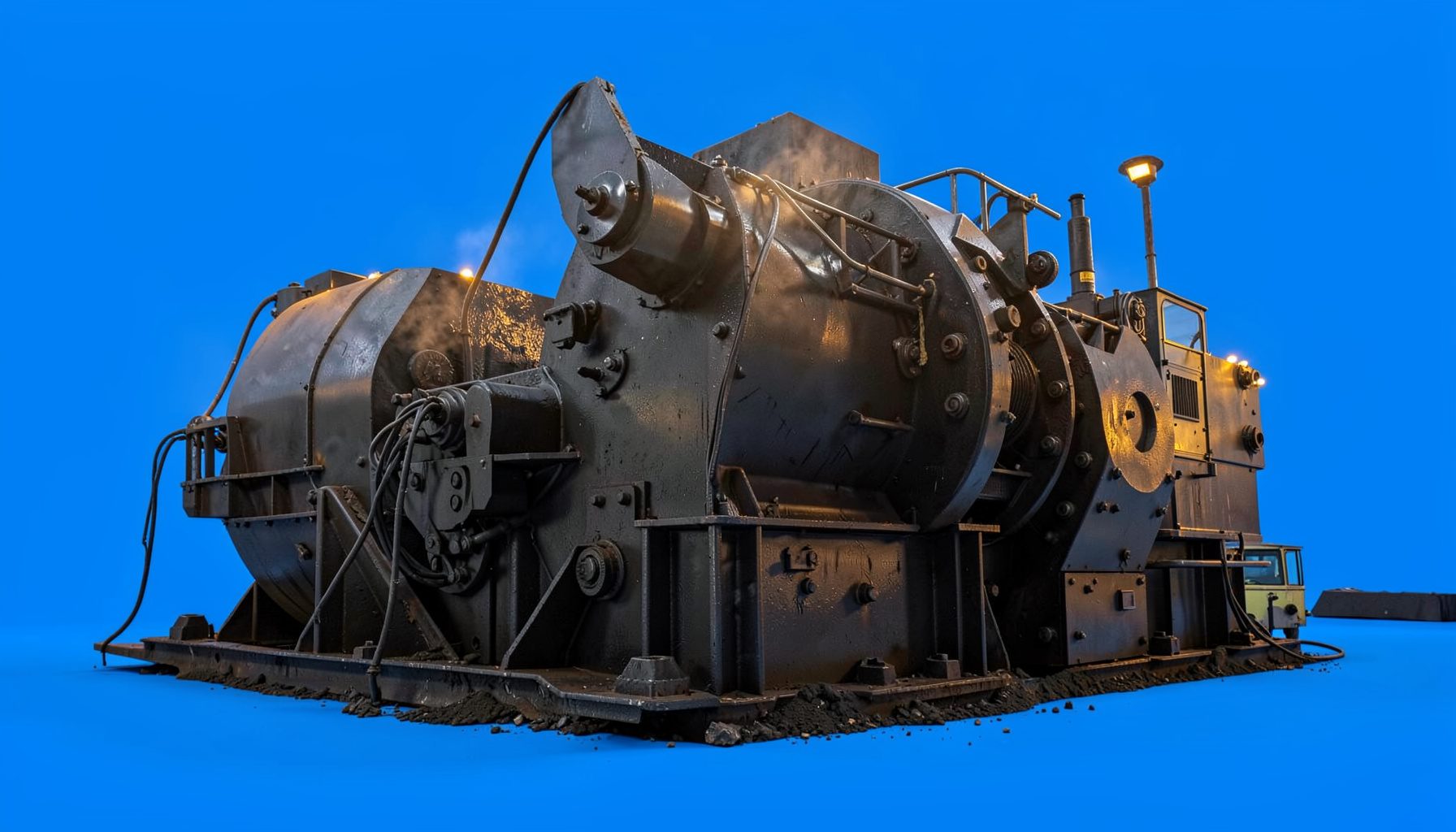
Mobile jaw crushers for small to medium-scale quarrying
Small and medium-sized quarries need equipment that can move with the work rather than remain fixed beside a permanent processing line. A mobile jaw crusher provides that flexibility by combining a primary crushing chamber, a tracked or wheeled chassis, engine, feeder, and discharge conveyor in one transportable unit. It can reduce blasted rock, recycled concrete, and selected oversize material close to the extraction face.
For Australian operators, this arrangement is valuable across regional New South Wales, Queensland, Victoria, and Western Australia. A quarry may supply a nearby road project for several months, then shift to another bench or contract site. Moving a compact crushing plant between stages can reduce haulage distances, civil works, and the amount of material handled by site vehicles.
Jaw crushers are especially well suited to primary reduction because their compressive action handles hard, abrasive feed such as granite, basalt, sandstone, and recycled concrete. A mobile unit can produce a consistent feed for a cone crusher, impact crusher, screen, or stockpile while keeping the first stage of processing close to where rock is won.
The right machine still depends on feed size, required capacity, abrasiveness, access, and local operating conditions. Small-scale quarrying does not automatically mean that the smallest crusher is the best choice. A balanced design must provide enough opening width and power for the material while remaining practical to transport, fuel, maintain, and operate.
| Equipment approach | Site arrangement | Main advantage | Suitable application |
|---|---|---|---|
| Mobile jaw crusher | Self-contained primary unit near the face | Low relocation time and reduced haulage | Small to medium hard-rock quarries |
| Fixed jaw crusher | Permanent foundation and feed arrangement | High output and stable long-term production | Large, established quarry sites |
| Compact impact crusher | Mobile secondary or recycling unit | Good shaping and reduction of softer feed | Concrete, limestone, and asphalt recycling |
| Jaw and screen combination | Integrated or linked mobile units | Direct production of graded aggregates | Road base, drainage stone, and general fill |
Why compact crushing fits quarry operations
The largest benefit of a mobile jaw crusher is the shorter distance between extraction and primary reduction. When raw rock is hauled from a working face to a fixed plant, diesel trucks make repeated trips over quarry roads. Placing the crusher nearer to the face can reduce fuel use, tyre wear, road maintenance, and traffic around the processing area.
A tracked crusher can climb moderate gradients and reposition as the excavation advances. Wheeled models can be moved efficiently between prepared locations and may suit contractors who work across several sites. Both types can be configured with conveyors, magnetic separators, dust suppression, and screening equipment to match the product required.
This flexibility is useful for Australian projects where deposits may be separated by long internal haul roads. A regional quarry near Newcastle or Toowoomba can face very different logistics from an operation outside Perth, where distances between supply points are substantial. Mobile processing helps the operator respond to contracts without constructing a new fixed plant for every work area.
Selecting the right jaw crusher
The feed opening is one of the first specifications to assess. It must accept the largest expected rock without frequent breaking or unsafe intervention. A narrow opening may restrict production, while an oversized machine can raise capital, fuel, and transport costs beyond what a smaller quarry can justify.
Capacity figures should be read alongside actual feed characteristics. Moisture, clay, flaky particles, bulk density, and the percentage of fines can all change performance. A jaw crusher working on clean, well-blasted basalt will behave differently from one receiving sticky weathered rock after heavy rain.
The discharge setting determines the approximate top size of the crushed product. A tighter setting produces a smaller feed for secondary equipment but can reduce throughput and increase wear. Operators should select a model that matches the complete circuit rather than judging it only by maximum hourly capacity.
CME supplies crushing machinery across a range of industrial applications, including jaw crushers, cone crushers, impact crushers, vibrating feeders, conveyors, and mobile crushing plants. This broader equipment range can help quarry operators plan a compatible plant rather than combining components with mismatched capacities.
Managing feed, oversize, and material flow
A reliable feeder is essential because it regulates the flow into the jaw chamber and protects the crusher from sudden surges. Where the run-of-quarry material contains fines, a grizzly section can remove smaller particles before they enter the crushing zone. Practical guidance on vibrating grizzly feeders explains how this arrangement can improve flow and reduce unnecessary wear.
Blasting quality also affects mobile crusher performance. Consistent fragmentation lowers the amount of oversize that needs secondary breaking and helps maintain stable production. If large rocks routinely bridge the jaw, the operator may experience blockages, uneven power demand, and more frequent stoppages.
After primary crushing, a mobile screen can separate saleable sizes from oversize material. A closed-circuit arrangement returns the oversize fraction to the crusher, while an open circuit may be adequate where the jaw product feeds a separate plant. Conveyors should be arranged to keep stockpiles safely separated and prevent loaders from working too close to moving equipment.
Moisture management is important in places with seasonal rainfall, including parts of Queensland and northern New South Wales. Clay can pack around jaw components and reduce screening efficiency. Good drainage, a suitable feeder design, and regular inspection of transfer points help maintain a steadier flow during changing weather.
Transport, setup, and site mobility
Mobility does not remove the need for site preparation. The crusher requires a stable, well-drained working platform with enough room for feeding, discharge, maintenance, and safe vehicle movement. Soft ground can cause tracking problems, conveyor misalignment, or uneven loading of the chassis.
Transport planning must account for machine dimensions, mass, access roads, bridges, and local heavy-vehicle requirements. A unit that is easy to move within a quarry may require an oversize-load permit when travelling between sites. Operators should verify route restrictions before purchasing or scheduling relocation, particularly across long regional routes in Western Australia.
Set-up time includes positioning the machine, levelling it, deploying conveyors, connecting dust-control systems, and checking guards and emergency stops. A well-designed mobile plant reduces these tasks, but quick deployment should never replace a documented pre-start inspection.
Australian quarries also need practical controls for dust and noise. Water sprays, enclosed transfer points, and appropriate work scheduling can reduce impacts near homes, roads, and neighbouring businesses. Early starts are common in hot regions to avoid the harshest afternoon conditions, but operating hours may be restricted by planning approvals or council requirements.
Controlling wear, dust, and operating costs
Jaw plates, cheek plates, toggle components, bearings, and conveyor parts are exposed to significant stress in quarry service. Abrasive rock accelerates wear, while tramp iron and uncrushable material can damage the crushing chamber. Monitoring liner condition and maintaining the correct closed-side setting helps prevent avoidable losses in capacity.
Fuel use depends on engine load, idle time, material hardness, and how efficiently the feeder supplies the chamber. A crusher that is constantly starved may waste fuel without producing enough material, while a flooded chamber can cause blockages and excessive stress. Operators should track tonnes per hour, fuel consumption, downtime, and wear cost per tonne.
Dust suppression requires more than spraying water at the crusher. Dust can escape from the feed hopper, discharge conveyor, stockpile, and truck loading area. Wind direction and dry Australian conditions can carry fine particles beyond the immediate plant area, so extraction controls, water management, and site monitoring need to work together.
Instrumentation can support better maintenance decisions by recording vibration, temperature, power draw, and other operating signals. When a quarry uses industrial monitoring tools alongside routine inspections, emerging faults may be identified before they cause an expensive production stoppage.
Safety and Australian compliance
Work health and safety obligations are administered through state and territory systems, so a quarry in Victoria may follow requirements that differ in detail from one in Queensland or Western Australia. Operators generally need documented risk assessments, guarding, isolation procedures, training, traffic controls, and emergency arrangements for mobile crushing equipment.
The crushing area should be separated from pedestrians and light vehicles. Access doors and inspection points need secure guarding, while lockout and tagout procedures must be followed before clearing blockages or replacing wear parts. Remote controls and cameras can improve visibility, but they do not remove the need for physical exclusion zones.
Environmental approvals may address noise, vibration, dust, water discharge, rehabilitation, and impacts on nearby landholders. The applicable state environmental regulator and local planning authority should be consulted before expanding production or changing operating hours. Aboriginal cultural heritage obligations can also be relevant when a quarry expands into undisturbed ground.
Monitoring data can help demonstrate that controls are working. Optical and remote sensing systems, such as site observation equipment, may complement dust gauges, noise surveys, inspections, and production records where a project requires more detailed oversight.
Integrating a mobile jaw into a complete plant
A jaw crusher is usually the primary stage, not the complete product-making circuit. If the market requires shaped aggregate, a cone or impact crusher may follow the jaw. If customers need road base, drainage rock, or screened construction aggregate, the circuit may include several deck sizes and a return conveyor.
Quarry managers should define product sizes, daily tonnage, peak demand, and stockpile requirements before selecting connected equipment. The feeder, jaw, screen, and conveyors should be rated as a system. A high-capacity crusher will not improve output if the screen is undersized or if trucks cannot remove finished material quickly enough.
Some operations also process fines or manufacture manufactured sand. That work requires a different stage of comminution and classification from primary rock breaking. Technical background on ultra-fine grinding describes how trapezium mills approach fine material reduction, although such equipment is generally associated with a separate grinding circuit rather than the mobile jaw itself.
CME’s wider range of grinding equipment can be considered where quarry by-products, mineral feed, or other fine materials require further size reduction. Keeping the primary mobile plant and downstream processing conceptually connected makes it easier to plan foundations, conveyors, power, dust control, and maintenance access.
Matching mobility to long-term quarry value
A mobile jaw crusher is most effective when mobility produces a measurable operational benefit. The value may come from shorter truck cycles, staged extraction, contract work, reduced civil construction, or the ability to follow a changing quarry face. A detailed cost comparison should include fuel, transport, labour, maintenance, wear parts, permits, and lost production during relocation.
Compact equipment can also support staged investment. An operator may begin with a mobile jaw and screen, then add secondary crushing or washing capacity as local demand grows. This approach can suit Australian suppliers serving road upgrades, subdivision works, concrete production, and regional infrastructure projects.
The best result comes from treating the crusher as part of a managed production system. Correct fragmentation, controlled feeding, planned maintenance, safe traffic separation, and compliance monitoring all contribute to consistent aggregate quality. With those fundamentals in place, mobile primary crushing can provide the capacity and flexibility that small to medium-scale quarrying requires.