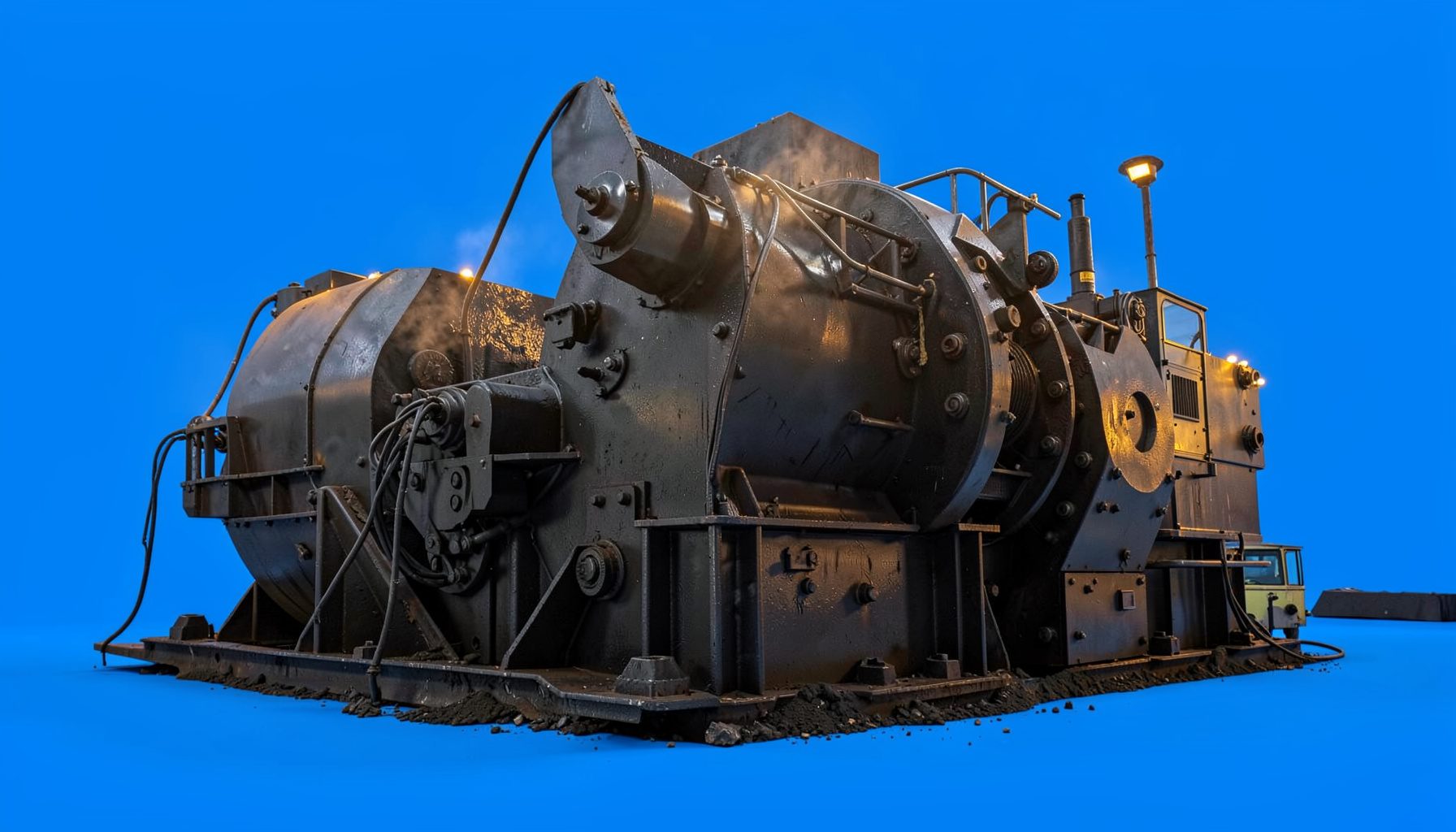
Crushing Plant Layout Design Strategies for Higher Throughput
A well-considered crushing plant layout is the difference between an operation that hums along at target tonnage and one that constantly fights bottlenecks, misplaced stockpiles, and unplanned downtime. The shape of the site, the sequence of machines, the angle and length of every conveyor, and even the location of the control room all combine into a single flowing system. Get the geometry right and production feels almost effortless, because material moves by gravity wherever possible and haul distances shrink to a minimum.
Australia presents its own set of design pressures. Many quarries sit hundreds of kilometres from the nearest port or regional centre, haul roads stretch across remote terrain, and ambient temperatures in the Pilbara, the Kimberley, or the inland regions of Queensland regularly push past 40 °C in summer. Local operators also work under detailed Work Health and Safety regulations, strict dust and water-use rules, and the practical realities of moving oversize gear on road trains limited to specific lengths and masses. A layout that ignores these conditions looks tidy on paper but stumbles the moment a load arrives on site.
Mapping the Site and Production Goals
Every layout starts with a clean site plan that captures contours, access roads, existing infrastructure, and the boundary of the operating lease. Surveying the natural fall of the ground is essential because a well-placed primary jaw crusher at the high end of a quarry can feed secondary and tertiary stages by gravity, eliminating transfer conveyors and trimming energy use. In the basalt quarries around Melbourne and the granite operations feeding Sydney's concrete demand, designers often exploit a natural bench to position the primary unit two or three levels above the secondary screen, letting rock tumble through the circuit instead of being lifted.
Production targets should be set in tonnes per hour and tonnes per shift, and matched to the realistic working calendar. A greenfield site planned for 600 tonnes per hour in a single eight-hour shift behaves very differently from a plant that must deliver 1,200 tonnes per hour across two 12-hour shifts. Once the rate is locked in, the design team can size the jaw crusher, secondary cone, and screen apertures to match. Buffering between stages, usually in the form of surge bins or a modest stockpile, allows the front end to keep crushing while the downstream equipment pauses for screen media changes or routine maintenance. When the project life is short, the deposit is split across several pits, or the operator plans to move the plant after a few years, mobile plant trade-offs enter the planning discussion at the same time as fixed-layout decisions, because the choice frames everything from civil foundations to conveyor routing.
Selecting Equipment Stages and Flow Configuration
Open-circuit layouts send crushed material directly from one machine to the next, which keeps capital cost down and suits softer rock or lower throughput. Closed-circuit arrangements route the output of a cone or impactor back to a screen, returning oversize for further reduction and pulling finished product to the stockpile. Most Australian hard-rock operations favour closed-circuit secondary and tertiary stages because the consistency of the final aggregate drives premium pricing in the Sydney, Brisbane, and Adelaide ready-mix markets.
Mobile equipment changes the way flows are drawn. On short-term contracts or rapidly changing pits, mobile units offer a path that conventional fixed layouts cannot match. They collapse relocation time, allow the primary to follow the working face, and feed into a semi-fixed secondary and screening plant built on concrete plinths. For remote Pilbara iron ore expansions or a contractor working a series of small quarries in regional Victoria, the hybrid arrangement often produces the best balance of mobility and throughput.
Within the crushing train, choosing between cone and impact stages shapes the final product. Cone crushers excel at cubical aggregate for concrete and asphalt, while horizontal shaft impactors shape softer stone, produce a higher proportion of fines, and handle mildly abrasive feed well. Many operators in recycled-aggregate and quarry applications rely on HSI performance benefits when the goal is a controlled top-size and a steady stream of manufactured sand. Pairing them with the right screen deck and a recirculating conveyor turns an impactor into the centrepiece of a high-quality fines circuit.
Material Handling, Stockpiling and Conveyor Routing
Conveyors are the arteries of the plant, and their routing deserves the same attention as the crushers themselves. A general rule is to keep belt lengths as short as practical, limit the number of transfers, and avoid right-angle changes whenever the site geometry allows gentle curves. Transfer points should drop material onto the receiving belt in the same direction of travel, with the trajectory matched to the belt speed to minimise impact wear and dust generation. Skirt boards and rubber lagging at the head pulley keep the load centred and prevent spillage onto walkways, which is a common cause of slip incidents on Australian sites.
Stockpile design plays an equal role. Segregated radial or longitudinal stockpiles let the operator blend products, manage moisture, and keep crushers fed even when a screen is offline. In regions where rainfall arrives suddenly, covered or conical stockpiles reduce water absorption and protect screening efficiency downstream. For plants that handle a mix of virgin aggregate and recycled feed, wire mesh sorting dividers are a practical add-on around the loading bay, allowing clean separation before material reaches the conveyor.
| Layout element | Open-circuit approach | Closed-circuit approach |
|---|---|---|
| Capital cost | Lower, fewer screens and conveyors | Higher, extra screens and return conveyors |
| Product shape | Variable, suited to base course | Consistent, cubical aggregate for concrete |
| Best feed type | Softer rock, lower abrasiveness | Hard, abrasive rock requiring tight top size |
| Maintenance access | Simpler, fewer machines in line | More complex, but each stage sized smaller |
| Sensitivity to feed surge | High, downstream equipment can choke | Lower, surge bins and screens buffer flow |
| Typical Australian application | Regional quarries, small contractors | Urban supply near Sydney, Brisbane, Perth |
The comparison above captures the trade-offs that drive most layout decisions. Open circuits keep the plant compact and the budget lean, while closed circuits cost more up front but reward operators with the product consistency that wins premium contracts.
Power, Dust Control and Water Management
Electrical supply is the spine of any stationary plant. A dedicated transformer, properly sized for the running load and the locked-rotor current of the largest motor, prevents nuisance tripping during crusher start-up. Variable speed drives on feeders and conveyors allow production crews to throttle back during partial-load periods, which lowers both energy cost and wear. In Western Australia, where some sites are powered partly by solar farms or hybrid diesel-solar generators, the layout should position heavy motors close to the switchroom to shorten cable runs and reduce voltage drop.
Dust is a constant headache in dry Australian conditions, and regulators expect active control. Water sprays at every transfer point, hooded crushers, and enclosed conveyors keep particulate levels within the limits set by state environment authorities. A well-designed misting system uses less water than a coarse spray and creates a finer droplet that captures dust more efficiently. Water is a precious resource across the Murray-Darling basin and many inland catchments, so layouts that recycle process water through settling ponds reduce both consumption and the risk of non-compliance with extraction licences.
Safety, Accessibility and Australian Compliance Standards
Safety shapes the geometry of the plant. Walkways must run parallel to conveyors with handrails on both sides, platforms above screens need self-closing gates, and every elevated crusher needs a dedicated access stair rather than a vertical ladder where the fall risk is significant. Emergency stop pull-wires run the full length of every conveyor and are tested at the start of each shift, a habit reinforced by Australian mining regulations and the standard operating procedures of every major contractor.
Underground services, lighting, and signage are equally important. LED floodlights on a 25-metre pole illuminate the primary area without casting harsh shadows on the control cabin, while reflective markers on stockpiles and ramps help haul truck drivers navigate safely in the early-morning shifts common during summer heat. In states with significant Indigenous heritage considerations, such as parts of Western Australia and the Northern Territory, the layout should also respect any protected zones identified during the approval process. For operators seeking broader guidance on plant planning, the industry planning resources offer useful reference material on equipment selection and site flow.
Commissioning, Monitoring and Continuous Optimization
A layout only proves itself during commissioning. Cold testing every conveyor in both directions, calibrating feeder speeds against crusher power draw, and running the full circuit at design tonnage for at least one shift exposes weak points before the plant enters commercial production. A short punch-list of small fixes during this period pays for itself many times over during the first year of operation.
Once the plant is live, data turns a static layout into a living system. Belt scales, crusher power meters, and level sensors in bins feed the control room dashboard and reveal where bottlenecks form. Many Australian operators now run a daily review meeting around the previous shift's tonnage, downtime causes, and product quality, then dispatch maintenance crews before the next shift begins. Gradual tweaks, such as changing screen media, adjusting crusher CSS, or adding a transfer chute liner, lift throughput without major capital outlay.
The most productive layouts are never truly finished. A well-designed crushing plant grows with the deposit, adapts to new product specifications, and absorbs the next generation of equipment as it arrives. By grounding the design in site geography, matching each stage to the rock and the market, and treating safety and compliance as core engineering inputs rather than afterthoughts, an operator in any Australian state can build a plant that delivers consistent tonnage and a strong return on investment for many years.