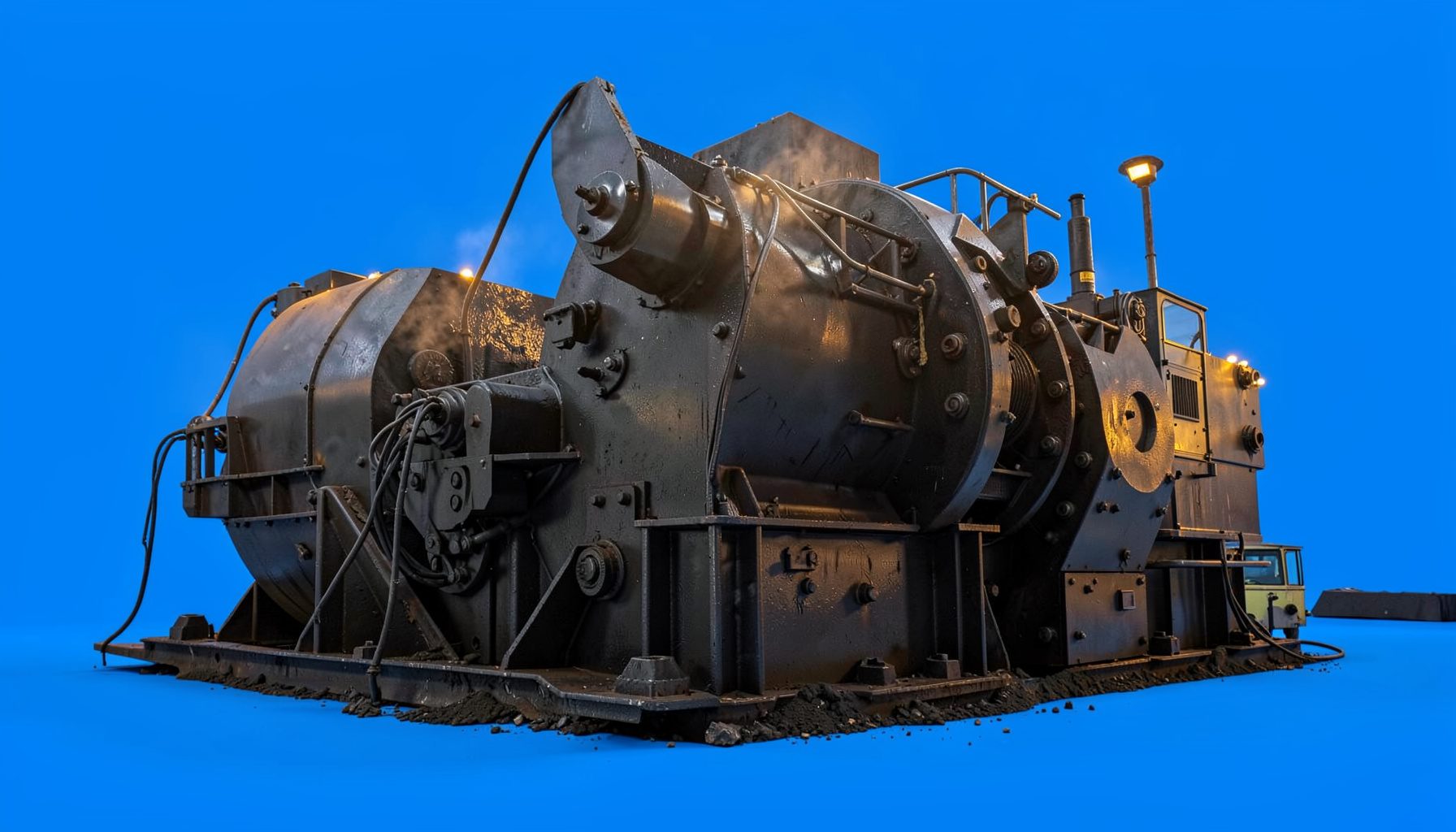
Advantages of Horizontal Shaft Impactors in Australian Recycling
Recycling construction and demolition waste is becoming a central part of material supply across Australia. Concrete, brick, asphalt, glass and reclaimed aggregate can often be processed into useful products instead of being hauled to landfill. The challenge is producing a consistent, saleable material while controlling dust, noise, oversize particles and operating costs.
Horizontal shaft impactors (HSIs) are well suited to this work because they use high-speed impact rather than compression alone. A rotor throws feed material against breaker plates, creating a cubical product and allowing operators to adjust the crushing process for different applications. For contractors, quarry operators and recycling yards, that combination can mean a more flexible plant and better value from waste streams.
How HSI Crushing Works In Recycle Applications
An HSI uses a horizontal rotor fitted with blow bars. As material enters the crushing chamber, the rotor accelerates it and directs it towards impact aprons. The collision breaks concrete, asphalt, brick and other relatively brittle materials along natural weaknesses. Product size is influenced by rotor speed, apron position, feed grading and the number of impact stages.
This action is particularly useful when the final product needs good shape. Recycled concrete aggregate with excessive flat or elongated pieces can be difficult to compact in road bases and civil works. An impact crusher generally produces a more cubical output than many compression-based machines, helping recycled material meet practical specifications for drainage layers, bedding, sub-base and general fill.
Feed preparation still matters. Reinforcing steel, mesh, large tramp metal and thick sections of heavily reinforced concrete should be removed or controlled before the crusher. A vibrating feeder, pre-screen and magnetic separator can reduce unnecessary stress on the HSI. In a well-designed circuit, the crusher is one part of a process that may include scalping, metal recovery, screening and recirculation.
For a mobile job in a built-up area, the wider process needs careful planning. A contractor working around Sydney or Melbourne may move equipment between demolition sites, while a permanent recycling yard outside Brisbane may prefer a fixed or semi-mobile arrangement. Guidance on mobile crushing plants can help frame the decision around site access, relocation frequency and the available feedstock.
Better Product Shape And Grading Control
Product shape is one of the strongest reasons to use an HSI for recycled materials. Impact energy tends to fracture particles rather than simply squeeze them between two surfaces. The resulting aggregate can have useful faces for interlocking, which supports compaction in road construction and reduces the risk of weak, flaky particles in the finished blend.
This is valuable for Australian infrastructure work, where recycled concrete may be used in local roads, subdivision earthworks, pipe bedding and pavement layers. A council project in regional New South Wales may need a dependable supply of graded recycled aggregate close to the job, rather than paying to transport virgin stone from a distant quarry. Producing a controlled product near the source can reduce truck movements and improve project economics.
HSIs also offer adjustment potential. Operators can alter the gap between the rotor and impact aprons to influence the top size. Rotor speed can be selected to suit the material and desired reduction ratio, while a closed-circuit screen can send oversize back for another pass. This gives the plant a practical way to produce several grades from a mixed demolition feed.
A high-quality screen remains essential after impact crushing. The crusher may generate a good shape, but final separation determines whether the product is sold as a coarse aggregate, fine road base component, manufactured sand feed or general fill. Consistent screening also prevents valuable material from being rejected simply because the pile contains too much oversize.
Handling Concrete, Asphalt And Mixed Demolition Feed
Recycling feed is rarely as uniform as quarried rock. One truck may contain clean slab concrete, while the next includes brick, asphalt, mortar and small quantities of timber or metal. An HSI can accommodate a broad range of mineral-based feed, provided the plant includes suitable inspection, sorting and protection against damaging contaminants.
Concrete is a common application because impact crushing can liberate aggregate from cement paste and reduce large demolition pieces to usable sizes. Recycled asphalt is another good fit, especially when the aim is to recover material for road maintenance or new pavement blends. The operating settings must be selected carefully because asphalt can become sticky in warm weather and may require attention to chamber build-up, feed rate and discharge conditions.
Australian conditions add practical complications. In Perth and regional Western Australia, a recycling operation may need to process material close to a quarry or mine camp where replacement parts and service technicians are several hours away. In Queensland, wet-season conditions can introduce moisture and clay into demolition feed, making pre-screening and stockpile drainage important. A robust layout and planned wear-part inventory can prevent a small issue from stopping the whole job.
The HSI should not be treated as a universal solution for every feed. Very hard, abrasive rock can increase blow-bar and apron wear, while highly contaminated demolition waste can damage the rotor or contaminate the recycled product. Material testing, a clear feed specification and regular inspection are important before selecting a machine. Grinding and size-reduction duties that involve different feed characteristics may call for specialised grinding equipment rather than impact crushing.
Lower Cost Per Tonne Through Efficient Plant Design
An HSI can support lower operating costs when it is matched to the application and integrated into the complete circuit. Its ability to achieve substantial reduction in a single stage can reduce the need for multiple crushers, transfer points and extra handling. A shorter process may also use less site space, which is useful for urban recycling yards where land is expensive.
Energy performance depends on several factors, including feed size, moisture, rotor speed, liner condition and product specification. Feeding a steady, correctly sized stream is usually more efficient than allowing surges of oversized material into the chamber. A vibrating feeder can regulate the flow, while a pre-screen can remove fines that do not need to pass through the crusher.
Wear costs must be considered alongside purchase price. Blow bars and impact aprons are working components, and their service life depends on the abrasiveness of the feed and the required reduction. Some modern designs allow wear parts to be turned, replaced or accessed more quickly, reducing maintenance downtime. Keeping a record of tonnes processed, wear patterns and product quality helps operators choose better settings over time.
For Australian businesses, transport is often a major part of the cost equation. A recycling contractor in outer Melbourne may save substantially by processing demolition concrete near the source instead of carting it to a distant facility and importing virgin aggregate back to the project. In remote areas, a mobile HSI can also reduce the number of truck movements along long regional routes, although fuel supply, mobilisation and service access need to be included in the calculation.
Safety, Compliance And Practical Selection
Recycling plants need safeguards for stored energy, moving machinery, dust, noise and tramp metal. Guards, emergency stops, lockout procedures and clear access around the crusher are basic requirements. Magnetic separation can remove steel reinforcement, while metal detection may provide an additional layer of protection. Operators should be trained to recognise unusual vibration, chamber blockages and changes in product shape before a minor issue becomes a major failure.
Dust management is especially important near populated areas. Water sprays, enclosed transfer points, covered conveyors and good stockpile practices can help control airborne particles. Monitoring conditions around a plant is more reliable when operators understand how moisture and fine material affect instruments; research into turbidity measurement effects illustrates why environmental readings need to be interpreted in context rather than treated as automatic facts.
Australian approvals vary by state, local government area and site type. A facility near residential growth in Victoria may face strict noise and dust expectations, while a remote Western Australian operation may have different access, water and environmental management priorities. Landfill levies in states such as New South Wales, Victoria and Queensland can also affect the commercial value of diverting concrete and asphalt into recycled products.
Selection should begin with the feed, required output and production target. Important questions include the maximum lump size, percentage of fines, moisture level, steel contamination, abrasiveness, daily tonnes and number of product sizes. A plant manufacturer such as Shanghai CME Mining and Construction Machinery Co., Ltd. can help assess the relationship between the HSI, feeder, screen, conveyor and optional mobile configuration. The objective is a balanced circuit rather than a crusher chosen in isolation.
| Consideration | Horizontal Shaft Impactor | Jaw Crusher | Cone Crusher |
|---|---|---|---|
| Typical recycle feed | Concrete, asphalt, brick and mixed mineral demolition waste | Large concrete and hard rock primary feed | Secondary shaping and harder, more uniform rock |
| Product shape | Generally cubical with good particle interlock | Can include more flat or elongated particles | Consistent, but often better suited to controlled rock feed |
| Reduction style | High-speed impact | Compression between fixed and moving jaws | Compression in a rotating crushing chamber |
| Contamination tolerance | Requires control of steel and tramp metal | Robust primary option, but blockages still require management | Less suitable for variable demolition feed |
| Common circuit role | Primary or secondary recycled aggregate production | Primary size reduction | Secondary or tertiary crushing |
| Main selection issue | Blow-bar and apron wear | Jaw-plate wear and large feed handling | Feed consistency and protection from tramp material |
An HSI is a strong option when a recycling operation needs shaped aggregate, flexible adjustment and efficient reduction of concrete, asphalt or brick. Its value increases when it is paired with sorting, magnetic separation, screening and well-managed stockpiles. Australian operators must also account for local approvals, long transport distances, variable weather and the realities of servicing equipment across a large country.
For a small demolition contractor, a compact mobile unit may provide the right flexibility. For a metropolitan recycling yard, a larger fixed circuit may deliver better throughput and automation. For regional quarry or civil operations, the best arrangement could combine recycled feed with natural aggregate in a controlled blend. Selecting the HSI around these operating conditions helps turn demolition material into a dependable resource for Australia’s next road, subdivision or construction project.
Reliable workshop support and durable power tools also contribute to safer maintenance routines, particularly when crews need equipment suited to demanding site work; professional power tools can form part of that broader maintenance setup. The central benefit remains clear: with suitable feed preparation and process control, horizontal shaft impact crushing can make recycling more productive, practical and commercially viable.