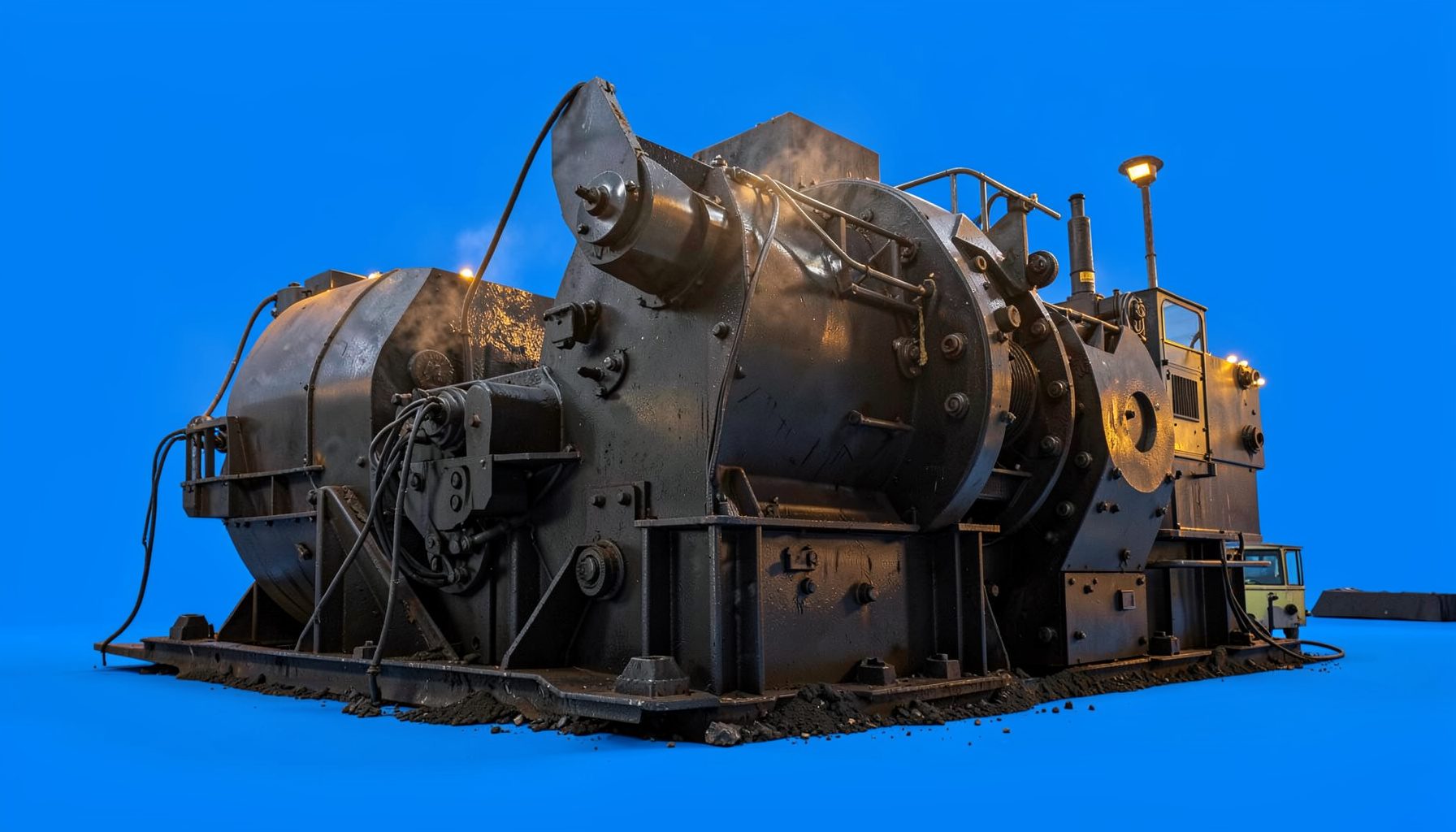
How to choose between a reciprocating feeder and a vibrating feeder
Selecting the right feeder is an early decision in any crushing, screening, or mineral-processing circuit. The feeder controls how material leaves a hopper or stockpile, so its performance affects crusher loading, product consistency, power consumption, and plant availability. A poor match can create surges, blockages, excessive wear, or an uneven flow that limits the rest of the circuit.
Reciprocating feeders and vibrating feeders can both provide controlled extraction, but they work in different ways. A reciprocating model uses a moving tray or plate to push material forward in measured strokes. A vibrating feeder uses controlled vibration to move material across a grizzly, pan, or deck. The best option depends on material characteristics, feed size, duty cycle, moisture, and the level of control required.
Australian operations often face demanding conditions. Hard iron ore in the Pilbara, abrasive quarry rock near Brisbane and Melbourne, coal applications in New South Wales and Queensland, and remote sites with long parts lead times all place different demands on a feed system. Seasonal rainfall can also turn fine material into sticky clay, while dry conditions make dust suppression and enclosure design important.
A practical selection process therefore needs to consider the complete circuit rather than the feeder alone. The crusher, screen, conveyor, hopper, electrical controls, maintenance access, and site safety requirements should all be assessed together. The following comparison explains where each feeder type performs best and how to make a reliable decision for an Australian plant.
How the two feeder types operate
A reciprocating feeder moves its conveying surface backwards and forwards. During the forward stroke, the tray carries material towards the discharge point; during the return stroke, the geometry and friction conditions limit the amount of material pulled back. Stroke length and speed can be adjusted to regulate the feed rate. This simple mechanical action is useful for coarse, heavy, and irregular rock discharged from a hopper.
The reciprocating design usually has a robust steel pan, drive mechanism, bearings, and support structure. It can tolerate large lumps and a deep bed of material, particularly when installed under a primary hopper. Since the movement is relatively slow, it tends to provide a steady extraction rate without the high-frequency motion associated with some vibrating equipment.
A vibrating feeder relies on an eccentric drive, unbalanced motor, or electromagnetic system to create controlled vibration. The movement advances material along a pan while helping separate fines through a grizzly or perforated section. It is widely used before jaw crushers, cone crushers, impact crushers, and screens because it can combine feeding and preliminary scalping in a single machine.
Vibratory feeders are available in heavy-duty grizzly versions for quarry and mining work, as well as lighter pan feeders for manufactured sand, aggregate, and recycling applications. The correct design must match the material bed depth, particle size distribution, moisture content, and required tonnes per hour.
Match the feeder to the material and duty
Material behaviour is often more important than the nominal capacity shown on a product specification. Large blasted rock with sharp edges and high impact energy generally favours a heavy reciprocating feeder or a robust grizzly vibrating feeder. The hopper outlet, wear liners, and support beams must be designed to withstand the dynamic loads created when a loader or dump truck places material into the bin.
A vibrating feeder is usually attractive when the feed contains a useful proportion of fines that should be removed before primary crushing. Scalping out undersize material reduces the load on the crusher and can improve energy efficiency. For example, a quarry producing road base in Victoria may use a vibrating grizzly feeder to bypass fines before the jaw crusher, while a hard-rock mine may select a heavier arrangement for high-impact ore.
Moisture and clay can change the decision. A fine, wet feed may bridge across a hopper or adhere to a vibrating pan, reducing effective capacity. A reciprocating plate can sometimes handle this material more consistently, although sticky conditions may still require hopper liners, larger outlet dimensions, moisture control, or a dedicated apron-style solution. Testing representative material is preferable to relying only on dry laboratory samples.
Useful background on the relationship between controlled feeding and downstream separation appears in this reliable screen deck resource. The same principle applies to feeder selection: stable flow protects screening efficiency and prevents a crusher from operating in repeated surges.
Compare performance before finalising the layout
The choice becomes clearer when the main operating factors are placed side by side. Capacity figures still need to be checked against actual bulk density, maximum lump size, moisture, and the angle of the hopper, but a broad comparison can guide the first design discussion.
| Consideration | Reciprocating feeder | Vibrating feeder |
|---|---|---|
| Operating action | Slow, forward-and-return tray movement | Controlled vibration along a pan or grizzly |
| Typical strength | Coarse, heavy, irregular material | Consistent feeding with optional scalping |
| Fine removal | Usually limited unless separately designed | Commonly integrated with a grizzly deck |
| Sticky material | Can be more tolerant in some applications | May require careful design to prevent buildup |
| Large lump handling | Strong option under primary hoppers | Heavy-duty models can also handle large rock |
| Feed-rate control | Adjusted through stroke and cycle settings | Adjusted through vibration, speed, or drive control |
| Wear pattern | Concentrated on tray, liners, and moving parts | Concentrated on pan, grizzly bars, springs, and drive |
| Installation priorities | Strong base, access to mechanical drive | Isolation, spring condition, structural stiffness |
| Best fit | Simple, rugged extraction from a surge bin | Integrated feeding and screening in a compact circuit |
A reciprocating feeder may have a straightforward operating principle, but its moving components still require inspection. Bearings, drive connections, wear plates, and tray supports should be accessible without exposing workers to stored energy. A vibrating feeder requires regular checks of springs, bolts, exciter bearings, motor mounts, and grizzly bars. Loose fasteners or damaged isolation components can quickly produce abnormal vibration.
Capacity should be considered as a range rather than a single target. A feeder sized exactly for today’s production may become a bottleneck if the quarry adds a larger jaw crusher or increases truck deliveries. Conversely, an oversized feeder running at a very low rate may be difficult to control and unnecessarily expensive. A variable-speed drive or adjustable stroke can provide useful flexibility when feed conditions change.
Consider Australian site conditions
Remote Australian mines often place a premium on reliability and maintainability. A feeder failure at a Pilbara operation can interrupt an entire crushing train while technicians and replacement parts are transported over long distances. In that setting, a rugged design with protected drives, accessible inspection points, and a sensible stock of critical wear parts may be more valuable than a lower initial purchase price.
At a quarry near Sydney, Adelaide, or Perth, the equipment may operate closer to residential areas, roads, and neighbouring businesses. Noise, dust, vibration transmission, and truck movement should be considered during layout and commissioning. A vibrating feeder can transmit dynamic forces into its support structure if isolation is poorly designed, while either feeder type can generate dust if the hopper and transfer points are left open.
Wet-season conditions in Queensland and the Northern Territory can introduce clay, oversize wet lumps, and rapidly changing bulk density. Hopper geometry should discourage bridging, and the feeder should have enough torque and structural strength to start under load. In coal handling, where moisture and fines can vary between seams, the control system should allow operators to adjust feed rate without repeatedly stopping the plant.
Australian safety practice also favours thorough guarding, lock-out procedures, emergency stops, and safe access for inspections. Equipment layouts should account for the expectations of mine operators, quarry managers, and regulators, including relevant machinery guarding and risk-assessment requirements. The final design should be reviewed against the site’s engineering standards and applicable Australian regulations rather than treated as a standalone machine purchase.
Integrate the feeder with the whole crushing circuit
A feeder should be selected together with the hopper and primary crusher. A jaw crusher needs a controlled, preferably continuous supply to maintain a stable crushing chamber. If the feeder delivers material in slugs, the crusher may experience overloads followed by periods of underfeeding. This reduces throughput and can affect product shape and downstream screen utilisation.
A vibrating grizzly feeder can remove fines before the jaw crusher, which is useful when the quarry feed contains a high percentage of natural sand or weathered material. A reciprocating feeder may be preferable where the primary requirement is dependable extraction of large rock from a deep bin and the fines are not suitable for bypassing. The discharge height, crusher opening, chute angle, and maintenance clearances must all be checked in the same layout.
The feeder also affects conveyors and transfer points. A sudden increase in flow can overload a belt, create spillage, or fill a transfer chute. A controlled feeder allows the conveyor to operate closer to its design rate. Guidance on coordinating feeding, conveying, and screening is available in this screening setup guidance, particularly when several machines share one control system.
For mobile crushing plants, transport dimensions and setup time may influence the decision as much as capacity. A compact vibrating feeder with integrated scalping can reduce the number of separate machines, while a reciprocating arrangement may suit a fixed plant with a substantial steel hopper. On a temporary road project in regional Australia, rapid relocation and simple commissioning can be decisive.
Make the decision through testing and lifecycle review
A sound selection starts with a clear duty specification. Record the maximum lump size, average feed size, bulk density, moisture range, clay content, abrasiveness, required capacity, operating hours, and expected surge-bin volume. State whether the feeder must scalp fines, whether it will start loaded, and how frequently the plant will be relocated. These details give suppliers a realistic basis for recommending a machine.
Material trials are especially valuable when the feed is sticky, wet, highly abrasive, or unusually coarse. A test can reveal bridging, carryback, uneven discharge, excessive vibration, or a capacity shortfall that may not appear in a brochure. It also helps determine suitable liners, grizzly spacing, drive power, spring arrangement, and chute geometry.
Lifecycle cost includes electricity, wear parts, lubrication, labour, downtime, and access equipment. A vibrating feeder may offer additional screening in one machine, but its grizzly bars and drive components may need regular attention in abrasive iron ore. A reciprocating feeder may have a simpler flow path, yet its tray and mechanical drive can experience substantial wear under heavy rock impact. Maintenance access and local parts support should be assessed over the expected service life.
For Australian buyers, supplier responsiveness matters because a feeder is part of a larger production system. Confirm drawings, performance assumptions, control interfaces, spare-parts availability, commissioning support, and warranty terms before ordering. Manufacturers such as Shanghai CME Mining and Construction Machinery Co., Ltd. can provide equipment for crushing, screening, conveying, grinding, and mineral-processing applications, allowing the feeder to be considered alongside the wider plant.
An informed choice is therefore based on operating evidence rather than on the feeder name alone. Select a reciprocating feeder when rugged, measured extraction of coarse material is the central requirement. Select a vibrating feeder when consistent flow, integrated scalping, and flexible control are more important. When the material, hopper, crusher, conveyor, and maintenance plan are evaluated as one system, the selected feeder is more likely to deliver dependable performance in the varied conditions found across Australia.
For examples of heavy-duty machinery and industrial equipment configurations, equipment information can also broaden the initial comparison before detailed engineering and site-specific specification.