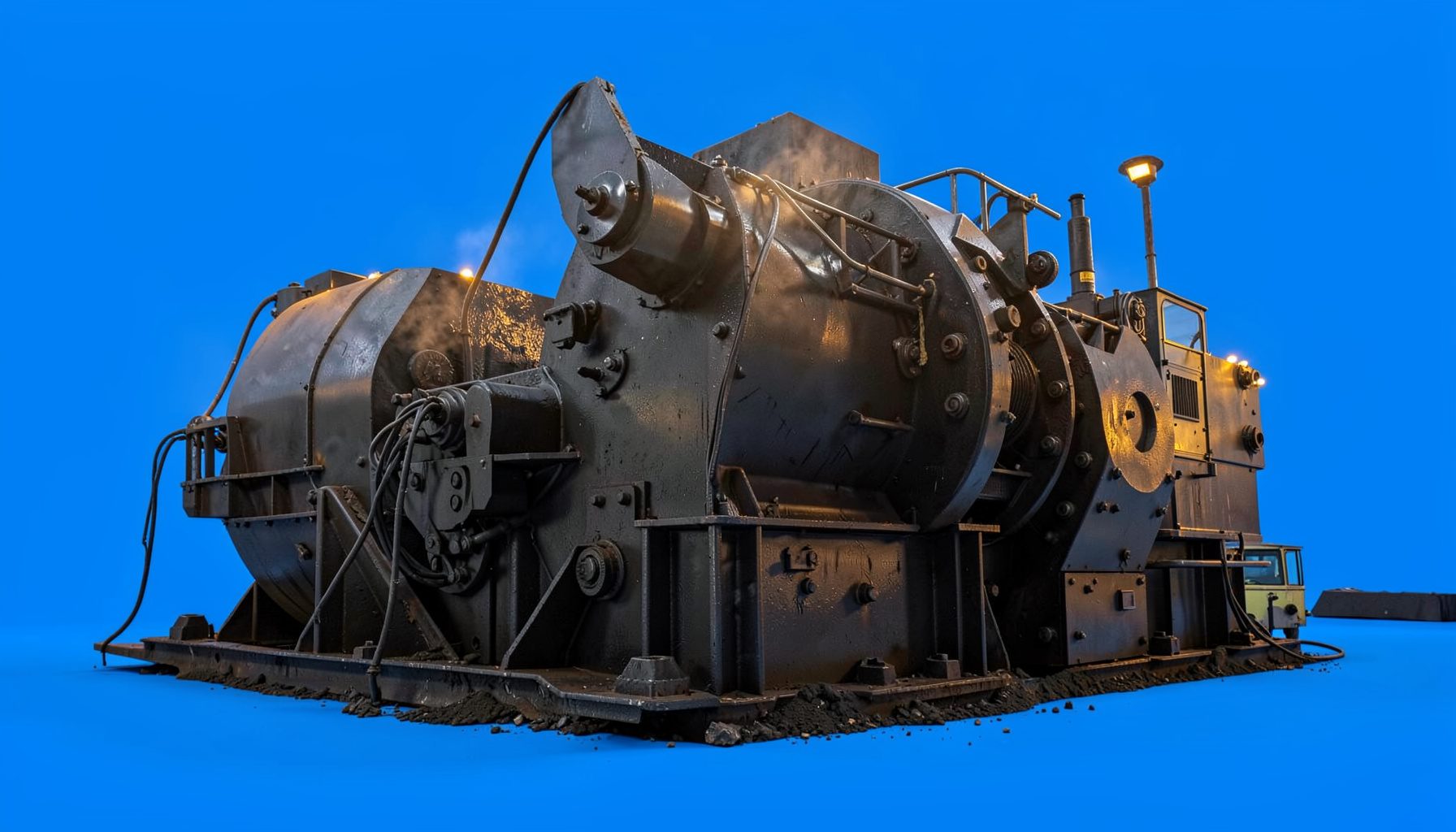
Why Your Mining Operation Needs a Reliable Vibrating Screen Deck
A dependable vibrating screen deck is central to consistent material separation in mining, quarrying and aggregate processing. It determines whether feed is divided into saleable size fractions, returned for further crushing or removed as waste. When the deck performs poorly, the effects spread quickly through the plant: crushers recirculate more material, conveyors run below capacity, stockpiles become inconsistent and customers receive products outside specification.
Australian operations face demanding conditions, from abrasive iron ore in the Pilbara to wet quarry feed around Brisbane and hard rock aggregate production near Melbourne and Sydney. Long haulage distances, remote sites, FIFO rosters and strict safety expectations make equipment reliability especially valuable. A screen that maintains accurate sizing through changing feed conditions can protect production hours and reduce the cost of avoidable stoppages.
The screening deck controls product quality
A vibrating screen uses controlled motion to stratify material across a screening surface. Smaller particles pass through the apertures, while oversize material travels towards the discharge end. The result depends on several interacting factors, including vibration amplitude, frequency, deck inclination, feed distribution, screen media and moisture content.
When the deck is correctly configured, each product stream remains within its target size range. This matters for road base, concrete aggregate, manufactured sand, coal, iron ore and mineral concentrates. A poorly performing deck may allow oversize into a finished product or send valuable fines to the waste stream, reducing both customer confidence and recovery.
Consistent screening also stabilises the equipment around it. A correctly sized fraction places less stress on secondary and tertiary crushers. It can reduce recirculating load, improve conveyor utilisation and make stockpile management more predictable. For a processing plant operating on tight production targets, these benefits can be more significant than a small increase in nominal screening capacity.
Reliability starts with the right screen design
A vibrating screen deck must be selected for the material, throughput and operating environment rather than treated as a standard interchangeable component. Heavy-duty applications may require reinforced side plates, robust cross members and high-strength fasteners. The supporting structure must tolerate repeated dynamic loading without developing cracks, loose connections or alignment problems.
Screen media also has a major effect on service life. Woven wire mesh offers accurate sizing and useful open area for many dry applications. Polyurethane panels can provide strong wear resistance when processing abrasive feed, while rubber media can reduce noise and withstand impact from larger rocks. The best choice depends on particle shape, moisture, abrasiveness and the required cut point.
Feed presentation is equally important. Material should arrive across the available screening width rather than forming a concentrated stream at one point. A vibrating feeder can regulate the flow and protect the deck from sudden surges. Operators researching broader equipment combinations may find this screening equipment guide useful when comparing feeders, screens and conveying arrangements for a complete plant.
It must handle Australian operating conditions
Mining and quarry sites in Australia can impose severe mechanical and environmental demands. Iron ore and hard rock are highly abrasive, while clay-rich or weathered material may blind apertures and reduce effective screening area. In northern regions, intense wet-season rainfall can transform dry feed into sticky material that builds up on the screen surface.
Dust and heat create additional concerns. Sites near Perth, Kalgoorlie or the Pilbara may operate with fine airborne particles, high temperatures and limited access to specialist technicians. Electrical cabinets, bearings and lubrication systems need suitable protection, and maintenance teams must have practical access to wear components. A design that works well in a controlled factory environment may require different guarding, sealing or inspection arrangements in a remote Australian mine.
Production schedules also influence equipment selection. Many sites use planned shutdowns around maintenance windows, while FIFO crews may have limited time to complete inspections between shifts. A screen deck with quick-change panels, accessible tensioning points and clear inspection zones can reduce the duration of these interventions. Less time spent working inside a guarded plant area also supports safer maintenance planning.
The deck works as part of a complete circuit
Screening efficiency cannot be separated from the performance of the feeder, crusher and conveyor system. A feeder that delivers too much material can overload the deck and increase carryover. A feeder that pulses or starves the screen can create uneven bed depth, poor separation and unnecessary wear. The discharge conveyors must also remove each fraction quickly enough to prevent back-up at the outlets.
Mobile crushing plants demonstrate this relationship clearly. When a screen is mounted on a mobile chassis, transport dimensions, setup time, hydraulic functions and site access become important alongside screening capacity. Information about mobile plant options can help operators understand how crushing, screening and conveying functions are combined where a fixed installation is unsuitable.
A complete circuit should be assessed using actual feed characteristics, expected tonnes per hour and the number of required products. A two-deck or three-deck screen may provide several saleable fractions in one pass, while a scalping screen may be more appropriate for removing fines or protecting a primary crusher. The aim is a balanced flow through the entire plant rather than maximum capacity at one isolated machine.
| Operating requirement | Suitable deck consideration | Risk if overlooked |
|---|---|---|
| Highly abrasive hard rock | Wear-resistant media and reinforced structure | Frequent panel replacement and structural wear |
| Sticky or wet feed | Larger apertures, anti-blinding media or washing | Reduced open area and incorrect sizing |
| Several finished products | Two- or three-deck configuration | Extra recirculation and additional handling |
| Variable feed rate | Controlled feeder and adjustable vibration | Surging, uneven loading and poor separation |
| Remote Australian site | Accessible service points and stocked wear parts | Extended downtime while waiting for components |
| Mobile operation | Compact transport design and rapid setup | Delays between pits, projects or stockpiles |
It protects throughput and operating costs
A reliable deck supports stable tonnes-per-hour performance by keeping the screening surface active and the material bed within a manageable depth. When apertures remain open and vibration is correctly controlled, a larger proportion of feed receives the opportunity to pass through. This improves separation without requiring the operator to increase speed beyond the machine’s safe operating range.
The financial effect can be measured across the circuit. Better screening may reduce crusher recirculation, lower power consumption per finished tonne and limit unnecessary wear on liners and belts. It can also improve the consistency of products sold to concrete plants, asphalt producers and civil contractors, where material specifications are commonly tied to project acceptance criteria.
For Australian businesses, transport costs make efficient processing especially important. A quarry supplying a project outside Adelaide or Newcastle may already face considerable fuel and haulage expenses. Producing the correct aggregate sizes at the quarry reduces rehandling and helps prevent rejected loads. In larger mines, even a modest improvement in recovery or availability can represent substantial annual value because of the scale of material movement.
Maintenance determines long-term performance
Even a well-engineered vibrating screen needs disciplined inspection. Operators should check screen panels, side plates, cross beams, exciter assemblies, springs, bearings and fasteners at intervals suited to the duty. Unusual noise, altered vibration, material carryover or a change in motor current can indicate developing problems before a major failure occurs.
Wear parts should be managed as production components rather than emergency purchases. Keeping suitable screen media, bolts, springs and bearing-related spares on site is particularly important in remote areas of Western Australia and Queensland. A planned inventory can prevent a minor damaged panel from stopping an entire shift while parts travel from a metropolitan warehouse.
Safety procedures must cover isolation, stored energy, access platforms and lifting arrangements. Australian mines and quarries operate under state and territory work health and safety frameworks, with additional mining legislation applying in jurisdictions such as Western Australia, Queensland and New South Wales. Guarding, lockout procedures and maintenance records should align with the site’s risk assessment and statutory obligations.
Choosing a deck for dependable production
The selection process should begin with measurable operating data: feed size distribution, moisture, bulk density, abrasiveness, required products, peak throughput and available footprint. Suppliers should also understand whether the machine will be used in a fixed plant, a semi-mobile arrangement or a fully mobile crushing and screening circuit.
Ask for practical information about open screening area, vibration settings, media options, bearing arrangements, structural design and access for replacement work. It is useful to examine how the equipment handles changing feed conditions rather than relying solely on a maximum capacity figure. A screen rated for a particular tonnage under ideal conditions may deliver very different results with wet clay, irregular feed or a high percentage of near-size particles.
Environmental controls should form part of the decision. Dust suppression or enclosed transfer points may be needed near communities and urban construction zones, including operations around Brisbane, Perth and Sydney. Noise control can matter near populated areas, while water use and sediment management become important where wet screening is proposed. For guidance on how feed regulation and conveying support screen performance, operators can review this feeder and conveyor overview.
A dependable vibrating screen deck is therefore an investment in the whole processing circuit. With the right design, suitable media, controlled feed and planned maintenance, it can improve product accuracy, preserve crusher capacity and reduce unplanned downtime. For mining and quarrying businesses operating across Australia’s varied conditions, that combination of consistency and resilience supports safer work, predictable output and stronger control over production costs.