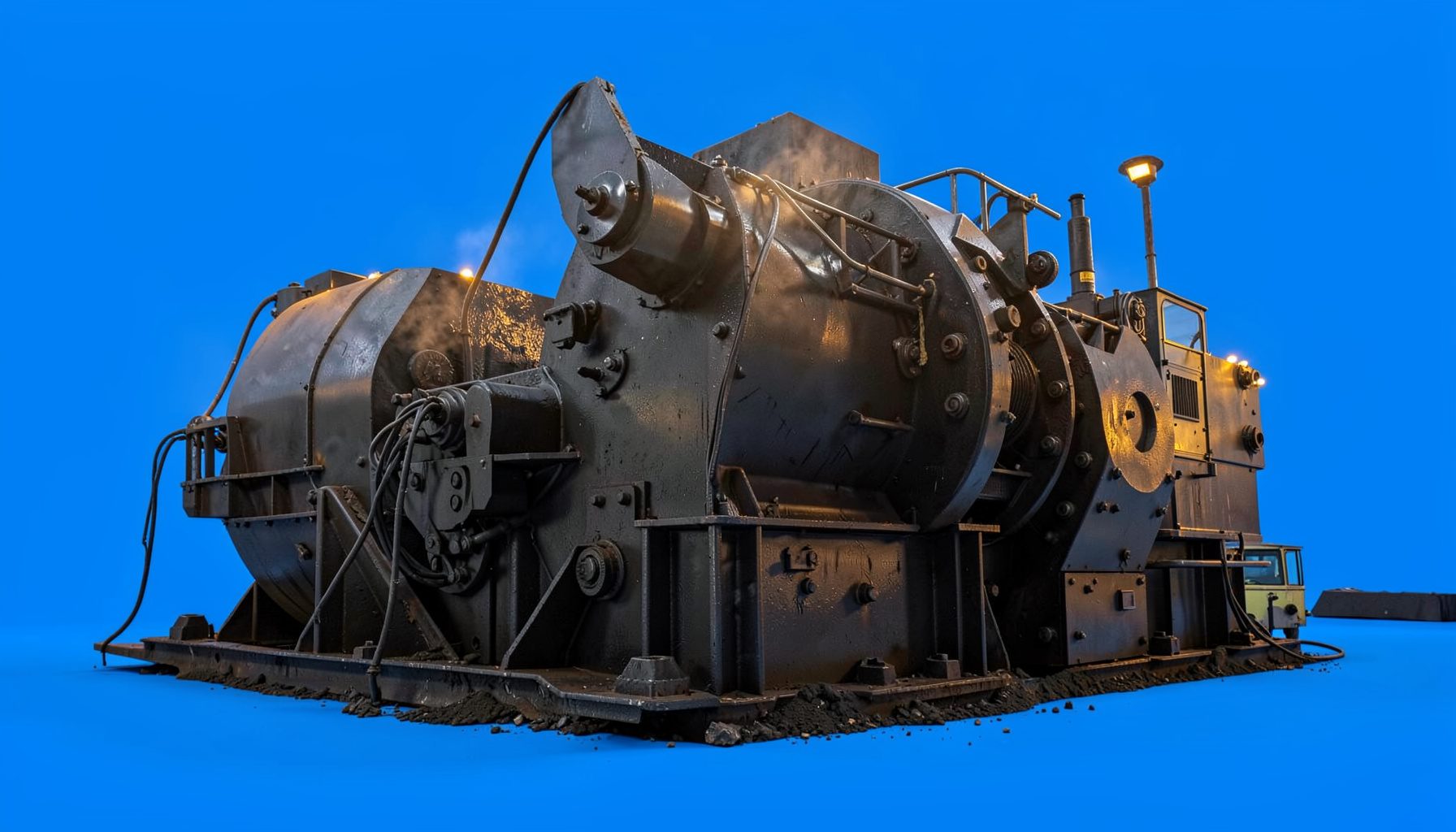
Why Screening Setups Need Feeders And Conveyors
A screening plant is often judged by its screen box, mesh selection and production rate. Yet the equipment before and after the screen has just as much influence on capacity, product quality and operating cost. A vibrating feeder and a conveyor system create the controlled material flow that allows the screen to work consistently.
Without a feeder, material may arrive in surges, bridge in the hopper or fall unevenly across the screen deck. Without conveyors, screened products can mix again, form stockpile bottlenecks or require extra loaders and trucks to move them. These issues reduce the practical value of an otherwise well-designed screening machine.
For Australian quarrying, mining and construction operations, dependable material handling is especially important. Sites can be remote, replacement parts may take time to reach Western Australia or Queensland, and changing weather can turn a dry processing area into a wet, sticky environment within hours. Efficient plant layout also helps reduce unnecessary vehicle movements and energy use.
The right combination depends on feed size, moisture, abrasiveness, required output and the number of final products. It also needs to suit local workplace health and safety duties, dust controls and environmental conditions. When the feeder, screen and conveyors are selected as one system, the entire processing line becomes easier to control.
A Balanced Feed Starts With The Feeder
A vibrating feeder regulates the flow from a hopper or loader into the primary crusher, scalping screen or secondary screening stage. Its grizzly bars or perforated surface can remove fines before crushing, while the controlled vibration separates material and prevents large surges from overwhelming downstream equipment.
This steady feed has several benefits. The screen receives a more even layer, giving particles enough time to pass through the apertures. Crushing equipment also avoids sudden overloads caused by a full hopper releasing its contents at once. For hard-rock applications, operators can review hard-rock crushing guidance when considering how feed regulation affects primary plant performance.
Feeder selection should reflect the material’s bulk density, maximum lump size and moisture level. A heavy-duty vibrating grizzly feeder may suit blasted granite, basalt or iron ore, while a lighter pan feeder can be appropriate for controlled material transfer between conveyors and screens. The stroke, frequency and drive arrangement should allow the operator to adjust throughput without destabilising the plant.
Consistent Flow Improves Screen Performance
A screening machine works best when its entire width is used effectively. If material enters on one side or arrives in intermittent heaps, some sections of the deck remain underused while others become overloaded. This can reduce separation efficiency, increase carryover and cause premature wear on mesh, bearings and support components.
The feeder acts as a buffer between variable loading and continuous processing. A loader may place a large bucket into the hopper every few minutes, but the feeder turns that irregular input into a controlled stream. Operators can then match the feed rate to the screen aperture, deck length and desired tonnes per hour.
This control is useful when producing manufactured sand, road base, drainage aggregate or several graded quarry products. It also supports plant automation because a variable-speed drive, level sensor or belt scale can adjust the flow as the hopper level and downstream demand change. The result is a more stable operation with fewer manual interventions.
Conveyors Keep Products Separate And Moving
Conveyors carry material between the feeder, crusher, screen and stockpiles. They reduce reliance on wheel loaders, which can consume significant fuel while repeatedly travelling short distances. A well-positioned transfer conveyor can also lower traffic around the plant and give operators a clearer view of material movement.
After screening, separate discharge conveyors are needed for each product fraction. Fines, oversize, saleable aggregate and recirculating material should have dedicated paths wherever possible. This prevents cross-contamination and makes stockpile management more predictable. Discharge height, belt width and conveyor angle need to be chosen to limit segregation and avoid material rolling back down the belt.
Australian sites often have long haul distances between the extraction face and the processing area, particularly in Western Australia and the Northern Territory. Longer conveyors may reduce truck cycles, but they need appropriate belt tensioning, guarding, emergency pull cords and access points. In Queensland, seasonal rainfall also makes drainage around conveyor structures important because pooled water can soften foundations and affect belt alignment.
Better Material Handling Reduces Wear And Downtime
Uncontrolled flow creates impact points that damage liners, chute surfaces and screen components. A feeder can be fitted with impact-resistant liners and designed to spread material before it reaches the screen. Transfer chutes with suitable angles and rock boxes can further reduce direct impact and limit degradation of the aggregate.
Conveyors also need protection against abrasive particles. Ceramic lagging, replaceable skirt rubber, impact beds and effective belt cleaners can extend service life when handling quartz-rich rock, recycled concrete or iron-bearing material. Choosing these components at the design stage is usually more economical than adding them after repeated breakdowns.
Maintenance access matters just as much as component strength. Walkways, platforms and inspection points should allow safe access to bearings, motors and belt tracking devices. Australian work health and safety requirements place strong emphasis on guarding moving machinery, isolation procedures and risk management, so a compact layout should never remove the space needed for inspection and safe servicing.
Designing Around Moisture, Dust And Site Conditions
Material that is dry and free-flowing behaves very differently from wet clay, recycled asphalt or sticky fines. Moisture can blind screen media, build up on feeder surfaces and cause carryback on conveyor belts. Where the feed varies seasonally, operators may need spray bars, anti-blinding screen media, skirt adjustments or a bypass arrangement for difficult material.
Dust suppression should be integrated into the layout rather than treated as an afterthought. Enclosed transfer points, water sprays, fogging systems and correctly positioned extraction equipment can help control airborne dust. In New South Wales and Victoria, quarry operators must also consider local environmental conditions, nearby communities and site-specific approval requirements when managing noise, dust and operating hours.
Electrical design is another practical consideration. Remote Australian operations may have limited grid access and rely on generators or distributed power systems. High-efficiency motors, soft starters and variable-frequency drives can reduce peak demand and make it easier to coordinate feeder speed with conveyor capacity. Electrical enclosures should be selected for the site’s dust, moisture and temperature exposure.
Matching The System To Production Goals
The correct arrangement begins with a material-flow study. Important inputs include feed gradation, maximum rock size, moisture content, abrasiveness, target products and the number of operating hours per day. A small recycling yard may require a compact mobile feeder and stacker, while a large quarry may need a fixed hopper, heavy-duty grizzly feeder, multiple screens and long radial conveyors.
Mobile crushing and screening plants benefit from integrated conveyors because they can be relocated as the working face changes. They are useful for road projects near Melbourne, Sydney or Brisbane where transport distance and setup time influence project economics. Fixed plants may provide greater capacity and easier expansion, but their foundations, transfer towers and stockpile zones require careful planning.
Recirculation is another design decision. If oversize returns to a cone crusher, the conveyor must handle the circulating load rather than only the fresh feed. A surge bin or buffer conveyor can prevent a temporary blockage from stopping every machine in the line. Sensors on belts and hoppers can provide early warnings when material levels become abnormal.
Selecting Equipment For Reliable Australian Operations
Equipment should be assessed as a complete circuit rather than as isolated machines. A feeder that can deliver 500 tonnes per hour is of little value if the screen, transfer conveyor or stockpile conveyor can manage only 300 tonnes per hour. Similarly, an oversized conveyor can add capital and maintenance costs without improving the final product.
Useful selection questions include whether the feeder handles the largest rock without bridging, whether the conveyor has sufficient width for the design load, and whether the screen media can be changed safely. Suppliers should also explain access to wear parts, drive components and technical support. CME’s product range includes equipment for crushing, screening, conveying, grinding and mineral processing, allowing plant designers to consider compatible machinery across a complete circuit.
The following comparison illustrates how common equipment choices support different operating conditions:
| Screening requirement | Suitable feeder or conveyor approach | Main benefit | Important consideration |
|---|---|---|---|
| Large blasted rock | Heavy-duty vibrating grizzly feeder with impact conveyor | Removes fines and controls primary feed | Requires robust liners and high-capacity drives |
| Road-base production | Adjustable pan feeder and multiple stockpile conveyors | Maintains steady flow and separates products | Stockpile layout must prevent mixing |
| Wet or clay-rich material | Vibrating feeder with anti-build-up features and cleaning points | Reduces surging and material accumulation | Screen media and spray systems need regular attention |
| Mobile construction projects | Compact integrated feeder and folding conveyors | Faster relocation and lower site footprint | Transport dimensions and setup procedures are critical |
| High circulating load | Surge hopper, variable-speed feeder and return conveyor | Stabilises recirculation through the crusher | Sensors and interlocks should protect the circuit |
| Remote mine or quarry | Efficient motors, guarded conveyors and accessible wear parts | Supports reliable operation with fewer service visits | Spare parts planning and power supply must be considered |
A properly matched feeder establishes the rhythm of the plant, while conveyors preserve that rhythm between each processing stage. Together, they improve screening accuracy, reduce handling by loaders, support safer access and help maintain consistent production through changing Australian site conditions.