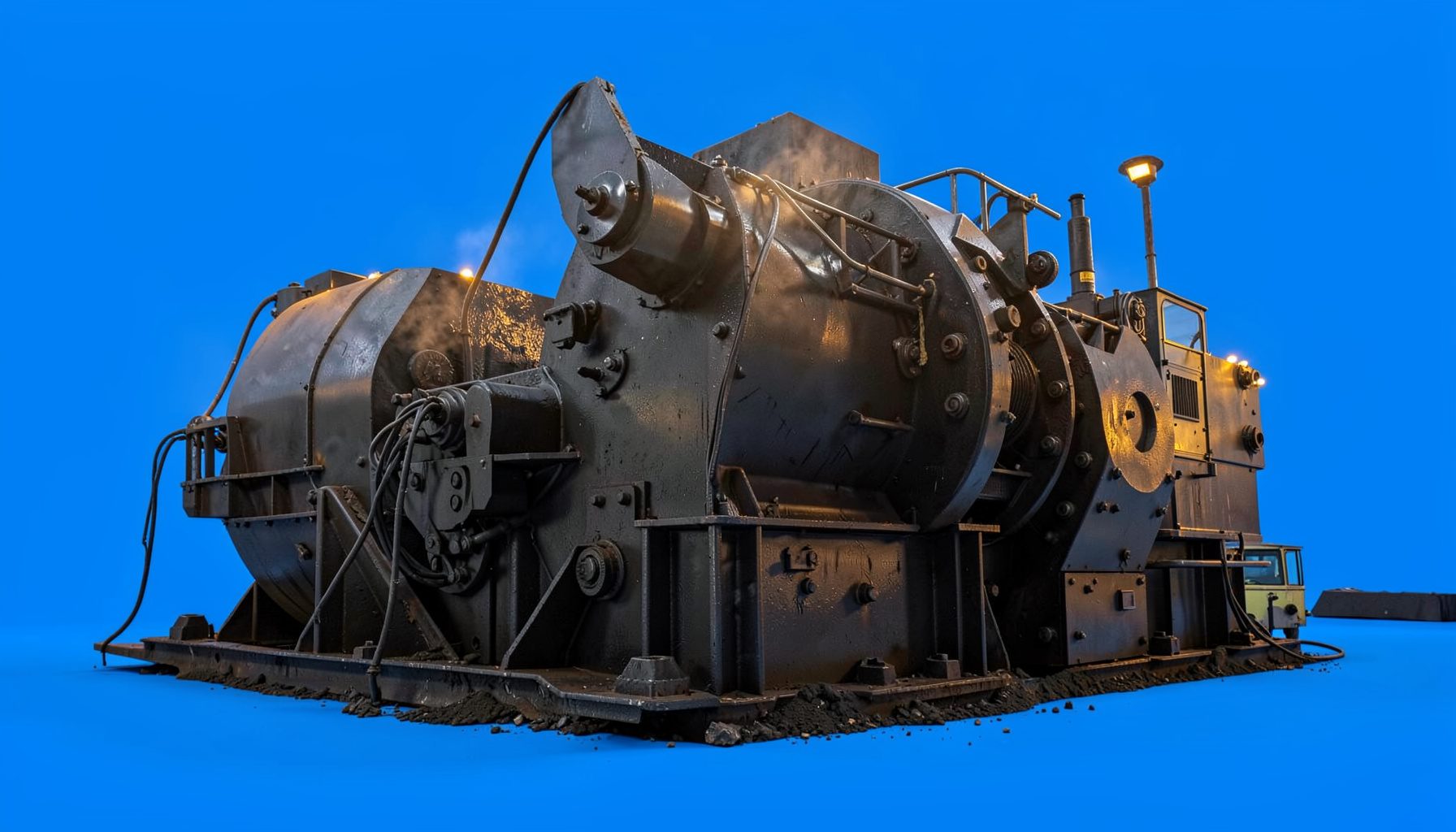
Choosing The Right Cone Crusher For Fine Crushing
Selecting a cone crusher for fine crushing is a process decision, not simply a choice between two machine names. Standard and short head designs use similar crushing principles, yet their chamber geometry, feed limits, product shape, throughput and operating costs can differ substantially.
For Australian quarries and mineral-processing sites, the decision is often shaped by long haul distances, variable rock types and the need to keep a plant running through demanding conditions. A quarry near Newcastle may have a different requirement from a hard-rock operation outside Brisbane or an aggregate plant servicing Perth’s expanding outer suburbs.
The correct machine must match the feed coming from the primary or secondary stage, the required product grading and the available screening circuit. A crusher that produces an excellent fine product in a controlled laboratory test may struggle when fed wet, sticky or highly abrasive material in a remote production environment.
Standard and short head cone crushers can both be valuable in a complete crushing circuit. The practical question is which chamber provides the right balance of capacity, reduction, particle shape, energy use, liner life and maintenance for the duty at hand.
How the two chamber designs differ
A standard cone crusher generally has a larger feed opening and a chamber profile suited to secondary crushing. It accepts coarser material after a jaw crusher or primary gyratory crusher and usually delivers a product that still requires further screening or tertiary reduction.
A short head cone crusher has a narrower feed opening and a steeper, finer crushing chamber. Its design is intended for tertiary or quaternary duties, where the feed has already been reduced and the target is a smaller, more tightly controlled product. It is commonly selected for manufactured sand, fine aggregate and mineral-processing applications.
The names are not universal across every manufacturer, so published feed opening, closed-side setting and capacity data should take priority over labels. A “standard” model from one supplier may overlap the performance range of another supplier’s medium or fine chamber.
Feed size and reduction requirements
The first screening point is the size of material entering the cone. A standard chamber is better suited to larger, irregular feed because it has more room for the rock to enter and progress through the crushing zone. It is often the practical choice when the preceding screen has a broad cut or when the primary crusher produces a variable top size.
A short head chamber needs a more consistent and smaller feed. Oversized particles can bridge at the inlet, reduce throughput and accelerate uneven liner wear. In a closed-circuit plant, the final product from the screen oversize should be controlled carefully so that the short head crusher receives material within its recommended range.
Reduction ratio is equally important. If a quarry needs a substantial size reduction in one pass, a standard cone may handle the duty more economically. If the feed is already reasonably small and the aim is to produce 10 mm, 7 mm or manufactured sand fractions, a short head crusher can deliver the finer breakage required.
In the Hunter Valley, for example, a contractor producing road base may use a standard cone for a robust secondary product, while a separate short head machine makes finer aggregate for asphalt or concrete. Trying to make both products with one chamber can compromise capacity and product consistency.
Product grading and shape
A short head cone is generally the stronger candidate when the specification calls for a high proportion of fine particles. Its longer crushing zone and finer chamber encourage repeated compression as material moves through the crusher, supporting a lower product size and a more controlled gradation.
A standard cone can still produce fine material when operated at a tight closed-side setting, particularly in a well-designed recirculating circuit. However, forcing a coarse chamber to operate continuously at an exceptionally fine setting may reduce capacity, increase power draw and place greater stress on liners and drive components.
Product shape matters as well as size. Compression crushing tends to produce a cubical aggregate when the chamber is correctly selected, the crusher is choke-fed and the closed-side setting is stable. A short head unit may be preferable where a high-quality fine aggregate is required, but the final shape also depends on rock competency, feed grading and screening efficiency.
Operators supplying concrete aggregates in Melbourne or Sydney must usually work to tight customer specifications. A stable circuit with accurate screening can be more valuable than a nominally finer crusher that produces fluctuating proportions of dust and oversize.
Capacity, moisture and circuit stability
Capacity depends on more than the crusher’s rated tonnes per hour. Feed gradation, bulk density, liner profile, eccentric speed, power availability and the percentage of fines in the feed all influence actual production. A short head cone can achieve excellent fine crushing, yet its smaller inlet may limit throughput when the feed contains too much coarse material.
Moisture is a particularly important variable. Wet or clay-bearing feed can blind screens, pack inside the chamber and reduce the free movement of particles. Before selecting a fine cone, review this practical feed moisture guidance and confirm whether washing, scalping or pre-screening is needed.
Australian weather can make this issue seasonal. A quarry in coastal Queensland may experience humid conditions and heavy rain, while a Western Australian site can face sudden wet-season interruptions after long dry periods. Water management, drainage and covered transfer points may protect throughput more effectively than simply installing a larger crusher.
A choke-fed cone normally performs more consistently than a machine receiving intermittent surges. A properly sized vibrating feeder, a reliable conveyor and a level monitoring system help maintain the steady feed that fine crushing requires. When the circuit is starved, product grading can become coarse; when it is overloaded, power and wear rise quickly.
Wear, maintenance and operating cost
Liner selection should reflect both the feed material and the intended product. Abrasive quartzite, iron ore and some hard basalt can consume manganese liners rapidly, especially when the crusher is operated at a tight setting. Softer limestone may permit longer wear life but can create more fines and carry more moisture.
The relationship between operating practice and component life is explained in these wear-life factors. Checking liner profiles, recording CSS changes and monitoring power draw can reveal problems before they become an unplanned shutdown.
A short head crusher may require more frequent liner attention when it is used continuously for fine production, particularly if the feed contains tramp metal or abrasive mineral. Its fine chamber can be highly productive, but the smaller clearances leave less tolerance for poor feed preparation. A standard cone may offer a more forgiving duty in a rough secondary stage.
Maintenance access and spares logistics are important in Australia, where a replacement component may need to travel from a capital city to a remote operation. A mine in the Pilbara or a quarry in northern Queensland cannot treat delivery time as a minor detail. Common parts, local service capability and clear inspection routines can influence the real cost of ownership more than the initial purchase price.
For plant identification, durable labels and safety signage can be supported by industrial print solutions, helping crews identify lubrication points, liner records and isolation information around a busy crushing circuit.
Matching the crusher to the application
For secondary crushing, a standard cone is usually the more versatile option. It can accept a larger feed, achieve useful reduction and maintain a reasonable capacity when the feed is not perfectly uniform. This makes it suitable for quarry products, road base, railway ballast and general aggregate production.
A short head crusher becomes more attractive when the plant already has a reliable secondary stage and needs a dedicated fine-crushing step. It can support manufactured sand, fine concrete aggregate, glass sand feed preparation and selected mineral-processing duties. The surrounding circuit must be designed to remove correctly sized product and return only the oversize.
Vertical mills and trapezium mills serve a different part of the process. They are used for grinding much finer material after crushing, rather than replacing a cone crusher in conventional aggregate production. The principles behind ultra-fine grinding help clarify where crushing ends and milling begins.
Mobile crushing plants add another consideration. A mobile standard cone may suit a changing quarry face or road project where feed conditions vary from week to week. A stationary short head unit is often better for a fixed, carefully controlled circuit producing a consistent fine product. In regional New South Wales, a contractor may value mobility; in a large cement or mining plant, fixed installation and high availability may matter more.
Comparing selection priorities
The following guide shows the typical distinction between the two configurations. Actual performance must be confirmed against the manufacturer’s chamber drawings, capacity curves and application data.
| Selection factor | Standard cone crusher | Short head cone crusher |
|---|---|---|
| Typical duty | Secondary crushing | Tertiary or fine crushing |
| Feed size | Larger, more variable feed | Smaller, controlled feed |
| Product range | Medium to fine aggregate | Fine aggregate and sand-sized product |
| Feed opening | Generally wider | Generally narrower |
| Tolerance for oversize | Higher | Lower |
| Best circuit arrangement | Open or closed secondary stage | Closed circuit with efficient screening |
| Main advantage | Versatility and throughput | Fine reduction and product control |
| Main risk | May need another stage for very fine product | Can overload with coarse or wet feed |
A buyer should compare the expected feed top size, CSS, desired P80 or product fractions, hourly tonnes, liner consumption and motor load. The cheapest machine to purchase may not be the least expensive to operate if it needs excessive recirculation or suffers frequent liner changes.
It is also useful to examine the quality of the feed preparation equipment. A scalping screen can remove clay and undersize before the cone, while a secondary screen can prevent finished material from being crushed again. The right arrangement often allows a smaller crusher to outperform a larger machine placed in a poorly balanced circuit.
Making the final selection
Choose a standard cone when the feed is relatively coarse, the duty is secondary reduction or production volume is the leading priority. It is the safer all-round option where quarry faces change, feed grading varies and the plant must handle a broad range of aggregate products.
Choose a short head cone when the feed is already reduced, the final product must be fine and the plant can maintain a controlled closed-circuit operation. It is particularly suited to applications where consistent fine aggregate is worth the additional attention to screening, moisture control and liner management.
Before ordering, request application testing using representative rock rather than a convenient sample from the easiest part of the deposit. Confirm the expected capacity at the actual setting, the feed moisture range, the liner profile, the allowable top size and the proportion of recirculating load.
For Australian operations, include climate, transport, service access and local product demand in the calculation. A machine that suits dry quarry conditions near Adelaide may need a different feed arrangement in wet coastal New South Wales. When chamber, circuit and operating conditions are aligned, both standard and short head cone crushers can provide dependable fine-crushing performance.