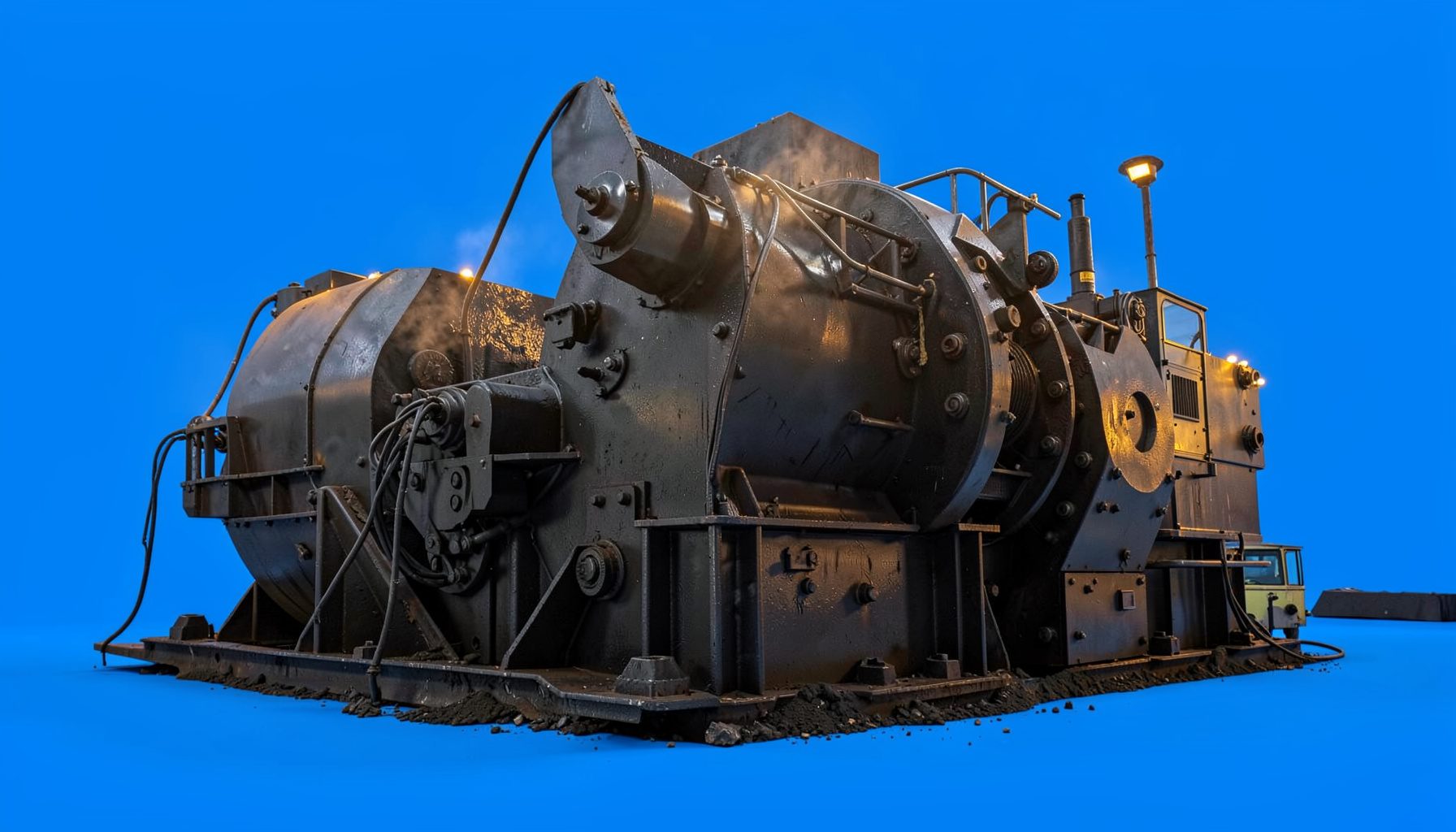
Five Factors That Affect Crusher Wear Part Life
Crusher wear parts are consumable components, but their service life is rarely determined by material hardness alone. Jaw plates, cone liners, impact bars, blow bars, mantles, and concaves all respond to the conditions in which a crushing circuit operates. The same liner profile may perform well in a Queensland hard-rock quarry and wear rapidly in a Western Australian iron ore application.
Understanding the main causes of premature wear helps mine and quarry managers control replacement costs, maintain throughput, and reduce unplanned shutdowns. Feed quality, machine settings, chamber loading, maintenance practice, and wear-part selection work together, so a small process change can have a substantial effect on cost per tonne.
Feed Characteristics And Material Abrasion
The properties of the feed material are the first major influence on wear life. Silica content, compressive strength, abrasiveness, moisture, particle size, and the presence of tramp metal all affect how quickly a wear surface deteriorates. Quartz-rich granite, basalt, iron ore, and some recycled concrete can be especially demanding because they impose high impact and sliding abrasion on liners.
Feed gradation is equally important. If the crusher receives too much oversize, the crushing chamber experiences high impact loads and localised stress. Excessive fines can fill voids between larger particles, increasing packing and friction. Sticky clay or wet feed may block the opening and force operators to run the machine under unstable conditions. In Australia, this is a familiar issue when seasonal rain affects quarry feed around Brisbane, Sydney, or regional New South Wales.
A consistent feed generally produces a more predictable wear pattern. A grizzly or scalping screen can remove unwanted fines before primary crushing, while a magnet or metal detector can help prevent reinforcement steel and other tramp material from entering the chamber. Operators evaluating a complete sand and aggregate circuit can also review this sand-making guide when considering how feed preparation affects downstream equipment.
The source of the rock should be documented during liner selection. A quarry supplying road base may handle a broad blend of blasted rock, while an iron ore operation in the Pilbara may process a more consistent but highly abrasive material. Laboratory abrasion testing and regular inspection of the feed can provide a better basis for wear predictions than relying on a standard replacement interval.
Crusher Settings And Operating Conditions
Closed-side setting, open-side setting, speed, power draw, and reduction ratio directly affect the pressure placed on wear parts. A tighter setting may produce a smaller product, but it also increases crushing force and can accelerate liner consumption. Running below the recommended setting range can create excessive rubbing, while an overly open setting may lead to poor reduction and repeated recirculation.
Overloading is another common cause of short wear life. When a crusher is fed beyond its rated capacity, the chamber can become packed and the drive system may experience repeated high-load events. A cone crusher may show uneven liner wear, while a jaw crusher can develop cracking or accelerated wear near the discharge end. Automatic control systems can help maintain a stable power draw, but only when the feeder and upstream screening equipment are correctly configured.
Feed distribution must remain even across the crushing chamber. A cone crusher receiving material on one side will often develop a worn section while the opposite side remains relatively thick. This reduces efficiency and may cause operators to replace a liner before all of its usable material has been consumed. Proper feeder alignment, a centred transfer point, and regular checks of the feed hopper can improve utilisation.
Australian sites also need to account for operating patterns. FIFO crews in Western Australia may inherit a circuit condition from a previous shift, so clear shift handovers and daily toolbox talks are valuable. In large coal and hard-rock operations, planned shutdowns are often scheduled around production campaigns, maintenance rosters, or wet-season access limitations. Stable operating records make it easier to order the right parts before a remote site runs short.
Liner Design And Wear-Part Material
The design of a wear part determines how crushing forces are distributed across the chamber. Jaw plates may use corrugated, toothed, or heavy-duty profiles, while cone liners are selected according to feed size, chamber type, and desired product. Impact crushers commonly use blow bars with different shapes and alloy compositions. A profile that increases crushing efficiency in one application may cause excessive stress or uneven wear in another.
Manganese steel remains widely used for many jaw and cone applications because it work-hardens under impact. Martensitic alloys and high-chrome materials can provide stronger abrasion resistance in selected applications, particularly in impact crushing, but they may be less suitable where severe impact or tramp metal is present. Material choice should reflect the balance between impact, abrasion, temperature, and the risk of fracture.
A thicker liner is not automatically a better liner. Excessive mass can reduce chamber volume, increase power consumption, and alter the crusher’s operating characteristics. The correct profile should provide sufficient protection while preserving the intended nip angle, discharge area, and reduction ratio. Manufacturers and experienced wear specialists can often improve results by reviewing the whole circuit rather than recommending a harder alloy in isolation.
For operations comparing equipment packages, a broader range of mining solutions can help place crusher wear parts within the full process, including vibrating feeders, conveyors, screens, sand-making machines, and grinding equipment. Wear life depends on how these machines work together, not just on the specification stamped on an individual liner.
Maintenance, Inspection And Installation
Correct installation has a direct effect on service life. Loose bolts, incorrect tightening, damaged seating surfaces, and gaps behind a liner can create movement and concentrated loading. In a jaw crusher, a worn or incorrectly fitted cheek plate can expose the side of the chamber to avoidable damage. In a cone crusher, a liner that is not properly seated may crack, shift, or wear unevenly.
Inspections should track both remaining thickness and wear shape. A liner can retain substantial material in one area while becoming dangerously thin in another. Measurements taken at consistent locations allow maintenance teams to identify trends and compare one campaign with the next. Photos, power-draw records, product gradation, and tonnes processed should be recorded with each inspection.
Clearance checks are particularly important after installation. The team should confirm that the mantle, concave, jaw plates, blow bars, and other components are correctly positioned and that there is no interference during rotation. Torque procedures must follow the equipment manufacturer’s requirements, and replacement fasteners should be suitable for the operating load. Unauthorised welding or machining can weaken a component and complicate future maintenance.
Australian workplace health and safety requirements make isolation and stored-energy control essential during liner changes. Mines and quarries operate under state and territory WHS legislation, with specific duties for safe plant, lockout procedures, lifting, and supervision. In dusty crushing areas, employers must also manage respirable crystalline silica exposure through enclosure, water suppression, ventilation, housekeeping, and suitable respiratory protection. Safe maintenance supports reliability because rushed or unsafe work commonly leads to poor installation.
Moisture, Contamination And Process Control
Water changes the behaviour of feed material and can affect both wear and throughput. Damp fines may stick to chamber surfaces, restrict discharge, or form a compact layer that prevents efficient rock-on-rock crushing. In contrast, controlled moisture in a manufactured-sand circuit may help manage dust and improve screening under certain conditions. The important point is to control moisture deliberately rather than allowing weather to dictate the process.
Contamination can also shorten the life of crusher components. Steel, drill rods, blasting accessories, and broken machine parts may enter the feed stream at mine sites. Even a small quantity of tramp metal can damage a jaw plate, chip a blow bar, or overload a cone crusher. Magnets, metal detectors, hydraulic relief systems, and effective pre-start inspections provide multiple layers of protection.
Process control helps operators connect wear with production results. A sudden rise in amperage, vibration, bearing temperature, recirculating load, or product oversize may indicate a developing problem. A gradual change in product shape can also show that a liner profile is no longer working as intended. These signals should be investigated before the wear part reaches complete failure.
The following comparison summarises typical conditions and the practical response for common Australian applications. Actual results depend on rock type, crusher model, chamber geometry, maintenance quality, and operating discipline.
| Operating condition | Typical wear effect | Useful control measure | Common application example |
|---|---|---|---|
| Hard, quartz-rich feed | High abrasive wear and reduced liner thickness | Use a suitable abrasion-resistant alloy and stable feed rate | Granite quarry near Sydney or Melbourne |
| Oversize or poorly blasted rock | Impact damage, cracking, and localised wear | Improve blasting, scalping, and feed distribution | Hard-rock mine in Western Australia |
| Wet, clay-bound feed | Packing, blockage, and uneven chamber loading | Improve drainage, washing, or pre-screening | Queensland quarry during the wet season |
| Tramp metal in feed | Chipping, deformation, or sudden component failure | Install magnets, metal detectors, and relief protection | Demolition or recycled aggregate plant |
| Uneven or overloaded operation | Irregular liner profile and high power demand | Maintain rated capacity and monitor power draw | Remote FIFO-operated crushing circuit |
Crusher wear-part life is therefore a process outcome rather than a fixed product attribute. The best results come from matching alloy and profile to the feed, maintaining a stable chamber load, and inspecting components before damage spreads to the crusher body or drive system.
For Australian mines and quarries, logistics should be included in the calculation. A replacement set may need to travel long distances from a capital city to the Pilbara, the Hunter Valley, or a remote Northern Territory site. Keeping accurate usage records, allowing for transport time, and planning changes during scheduled shutdowns can prevent a relatively small wear issue from becoming a major production interruption.