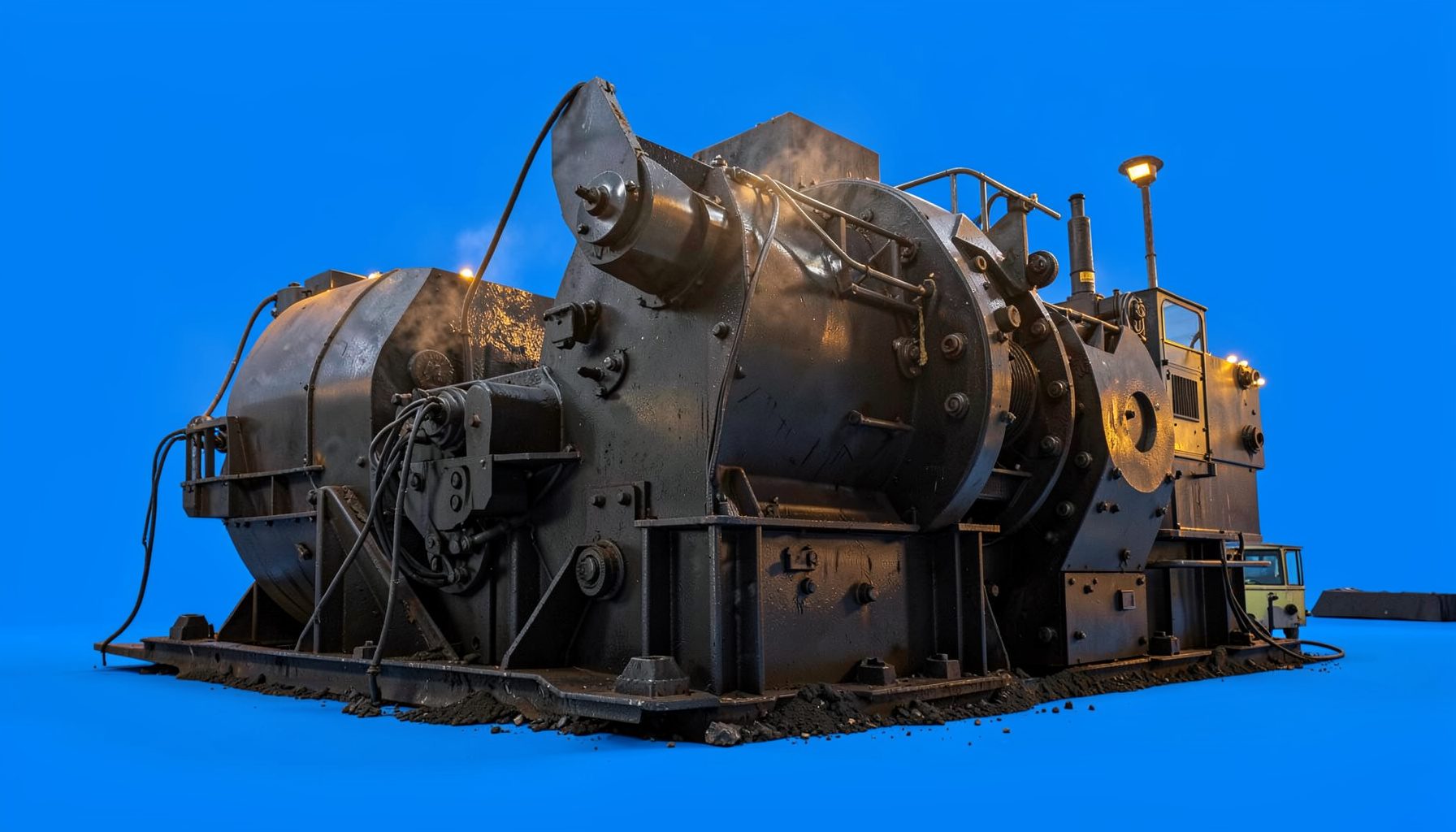
Best Practices for Temporary Mobile Crushing Sites
A mobile crushing plant gives Australian quarrying, civil construction and mining contractors the flexibility to process rock close to where it is won or used. Instead of hauling every tonne to a fixed facility, a tracked or wheeled circuit can move between road projects, borrow pits, mine developments and short-term aggregate jobs. The result can be lower transport costs, faster production and a smaller permanent footprint. Learn more about Genoptics Spr.com.
Temporary sites still require permanent-quality planning. Ground conditions, access, dust, noise, fuel, power, maintenance and product specifications all affect whether the operation performs safely and profitably. A well-designed setup combines the right crushing stages with suitable feeding, screening, conveying and stockpiling equipment, while allowing the plant to be relocated without excessive dismantling.
Define the site and production duty
Begin with the material rather than the machine. Record the rock type, maximum feed size, abrasiveness, moisture, clay content and expected gradation. Granite near Adelaide, basalt in Victoria and recycled concrete around Sydney can require very different wear packages and circuit layouts. Also establish the required products, such as road base, drainage aggregate, manufactured sand or concrete stone.
Temporary work often involves variable production targets. A road contractor may need a high output for several weeks, while a remote mine development may require a smaller circuit operating for a season. Calculate tonnes per hour from the actual working schedule, including breaks, refuelling, maintenance and weather delays. Designing around an optimistic peak can leave the plant oversized, expensive to move and inefficient at normal rates.
Survey the site before transport is arranged. Check turning radii for B-doubles, bridge limits, overhead powerlines, drainage paths and the distance between the face, crusher, screens and stockpiles. In regional Queensland or Western Australia, long distances between suppliers make spare parts and fuel storage especially important. On a constrained urban project, truck movements, working hours and neighbours may determine the layout as much as geology does.
Match the circuit to the feed
A basic temporary circuit may include a vibrating feeder, jaw crusher, secondary cone or impact crusher, vibrating screen and conveyors. The primary jaw handles large, tough feed and provides a reliable first reduction. A cone crusher is often suited to hard stone and consistent secondary or tertiary shaping, while an impact crusher can be useful for softer rock, limestone and recycled materials where cubical product is required.
Screen selection must be made with the final products in mind. A two- or three-deck screen can separate several sizes in one pass, but it needs adequate area and correct screening media. Wet, sticky feed may blind conventional panels, making scalping, grizzly separation or washing necessary. If manufactured sand is part of the specification, a dedicated sand-making machine and recirculation loop may be more effective than forcing a coarse crusher to produce excessive fines.
Crusher geometry also influences product quality and operating cost. Before choosing a secondary or fine-crushing unit, review the practical differences between standard and short-head designs in this cone crusher selection guidance. The correct chamber, closed-side setting and reduction ratio can reduce recirculating load and avoid premature liner replacement.
Prepare the ground and arrange the flow
A temporary installation still needs a stable, level working platform. Remove soft topsoil, compact the foundation and provide drainage so rainfall cannot undermine tracks, support legs or stockpile edges. In northern Australia, plan for intense wet-season runoff; in dry inland areas, control loose dust and prevent wind from carrying fines towards roads or nearby properties.
Arrange equipment in a simple flow from feed to finished stockpile. Keep conveyors as straight as practical and leave enough room for service vehicles, excavators and loaders. A compact layout can reduce transfer points, but excessive compression makes inspections and component changes difficult. Stockpiles should be positioned so the loader does not work beneath unstable faces or drive repeatedly across freshly placed product.
Access routes deserve the same attention as the machines. A mobile unit cannot help if low loaders cannot reach the pad or if a full truck cannot turn safely beneath the discharge conveyor. Allow clearances for lifting components, changing screen media and removing crusher liners. Mark pedestrian zones and establish one-way traffic where possible, particularly on busy civil sites near Melbourne, Perth or the Pacific Highway corridor.
Compare mobility, capacity and support needs
The best configuration depends on how often the plant will move, how far it will travel and how much infrastructure is available. Track-mounted equipment is practical for short relocations across rough ground, while wheeled modules can be economical when the site has prepared roads and a suitable towing arrangement. Hybrid circuits may combine a tracked primary with wheeled screens and conveyors.
| Decision factor | Track-mounted plant | Wheeled or modular plant |
|---|---|---|
| Relocation across rough ground | Strong mobility with limited preparation | Usually needs prepared roads or towing access |
| Setup time | Fast for short moves, with fewer civil works | Efficient where pads and transport routes already exist |
| Long-distance transport | Often requires low-loader transport | May be easier to tow between nearby jobs |
| Production expansion | Add-on units can be more complex | Modular additions are often straightforward |
| Best application | Quarries, mine development and changing faces | Civil projects, fixed pads and repeat site layouts |
| Support requirements | Tracks, hydraulic systems and onboard controls | Tyres, axles, chassis and towing arrangements |
Capacity must be balanced across the whole circuit. A large jaw feeding a small screen creates a bottleneck, while an oversized screen after a low-capacity cone wastes capital. Use surge capacity between stages where feed delivery is irregular. A properly sized hopper and feeder can absorb loader variation and maintain a steady crusher load, which improves product consistency and reduces shock loading.
Consider transport dimensions before finalising the equipment package. Australian road permits, escort requirements and state-based regulations can affect mobilisation cost. A machine that is convenient in a Pilbara mining area may be less practical for repeated moves between New South Wales construction sites. Ask the supplier for shipping weights, folded dimensions, lifting points and recommended dismantling procedures.
Control dust, noise and site risks
Dust management should be built into the plant rather than added after complaints begin. Use enclosed transfer points, spray bars, controlled drop heights and suitable water pressure. A misting system can help around crushers and screens, while a wheel-wash or rumble grid may be needed near public roads. Water availability can be limited in remote South Australia, so estimate consumption and investigate recycled process water where appropriate.
Noise and vibration require similar planning. Position the primary crusher away from sensitive boundaries, use natural landforms as acoustic screens and avoid directing conveyor discharge towards occupied areas. Schedule the loudest work within approved hours. On a temporary site near a small town, early communication with the principal contractor, council and neighbours can prevent a minor nuisance becoming a costly stoppage.
Every mobile plant needs a documented risk assessment and isolation procedure. Guarding, emergency stops, pull-wire switches, lockout points and safe access platforms must be checked before commissioning. Keep people away from hoppers, magnets, crusher chambers and stockpile edges. Operators should understand start-up and shutdown sequences, blocked-chute response, radio protocols and what to do when tramp metal enters the circuit.
Weather planning is essential in Australia. Lightning, extreme heat, bushfire risk, flooding and strong winds may require production to stop or equipment to be moved. Provide shade, hydration and heat-stress controls for crews working on exposed pads. Fire extinguishers, spill kits and emergency access should remain visible even after stockpiles grow around the plant.
Build maintenance into the temporary operation
A short project is no excuse for short maintenance intervals. Inspect liners, belts, idlers, screen media, bearings, hydraulic hoses and electrical connections at planned intervals. Keep a daily record of feed size, crusher settings, oil temperatures, vibration, belt drift, screen performance and fuel use. Reviewing these trends helps identify gradual deterioration before it becomes an unplanned shutdown.
Useful operating information includes tonnes per hour, engine load, power draw, product oversize, recirculating load and downtime by cause. For a more structured approach, use these key operating metrics to support predictive maintenance and establish realistic service thresholds. Data is especially valuable when a plant moves between sites because it shows whether a performance change comes from the material, settings or equipment.
Stock critical spares before mobilisation. Common requirements include jaw plates, cone liners, impact blow bars, screen panels, conveyor belts, idlers, bearings, filters, hydraulic fittings and electrical sensors. Confirm local service coverage and lead times rather than assuming a replacement can arrive quickly. A contractor operating several hours from the nearest regional centre may save significant downtime by carrying a planned parts container.
Use condition inspections during every relocation. Check structural welds, chassis members, track frames, guarding, cable routing and conveyor supports after transport. Clean mud and accumulated fines from moving parts before loading out. A proper demobilisation checklist protects the equipment and makes the next commissioning faster.
Commission, measure and relocate efficiently
Commissioning should proceed in stages: inspect the assembled plant, test emergency systems, run empty, introduce a small feed, then increase production while checking pressures, temperatures, vibration and product grading. Confirm that each conveyor tracks correctly and that oversize returns to the intended crusher. Take samples from each final product and adjust settings only after the circuit has stabilised.
Operators need practical training on the exact configuration, not a generic machine briefing. Explain feeder control, crusher choke conditions, screen changes, safe clearing methods and daily greasing points. Keep a simple shift handover record covering material changes, blockages, wear observations and outstanding faults. Clear communication matters on mixed crews where subcontractors may bring different operating habits.
Use a layout drawing and a relocation sequence from the first day. Identify which conveyors fold, which modules require lifting, where transport frames are stored and how electrical or hydraulic connections are labelled. A plant package from a supplier offering complete plant solutions can simplify coordination between feeders, crushers, screens, conveyors and control systems, particularly when a temporary project has a tight mobilisation window.
At the end of the campaign, compare actual production, fuel consumption, wear cost, downtime and product quality with the original assumptions. Record what changed when the plant moved from one material or site to another. That information improves the next setup, whether the following job is a council road upgrade in regional New South Wales, an iron ore support project in the Pilbara or a quarry campaign outside Brisbane.