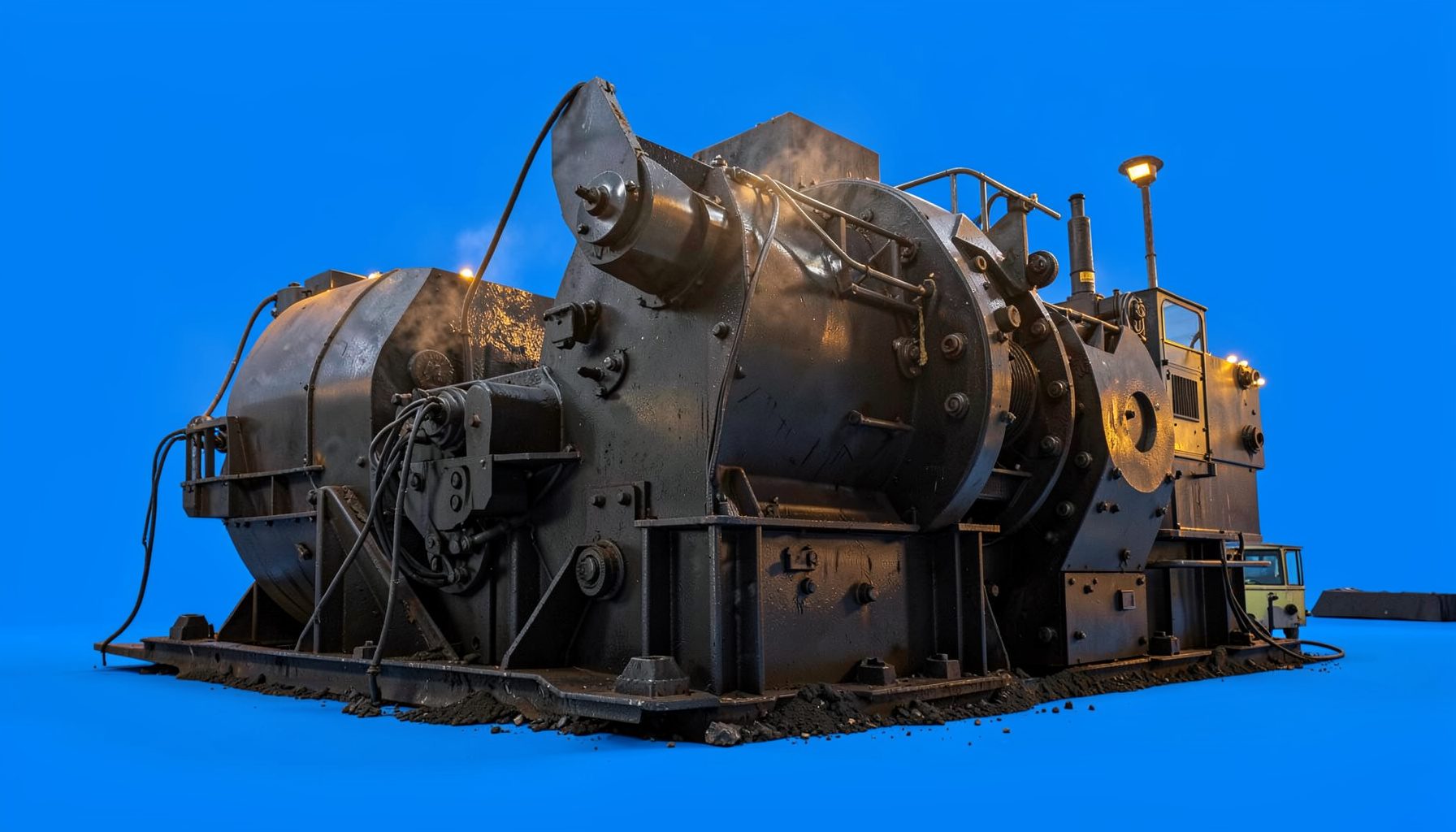
Why pre-screening before a cone crusher raises plant capacity
Pre-screening before a cone crusher is one of those plant changes that can look modest on a flowsheet yet alter the real capacity of an entire quarry. A scalping screen or vibrating screen placed ahead of the cone separates fines and, in some circuits, diverts oversize to another crusher. The cone then receives a cleaner, more uniform feed instead of spending chamber volume on rock that is already small enough to pass through the product gate.
That distinction matters because rated cone-crusher capacity is not the same as useful production from the plant. A crusher can handle its posted tonnes per hour while the surrounding screens, transfer points and stockpiles are held back by excess fine material. For aggregate producers around Melbourne, Brisbane and Adelaide, or for mining operations in Western Australia, removing unwanted fractions early can raise effective plant capacity without installing a larger crusher.
What pre-screening changes at the feed
A pre-screen is a size-classification step, not simply an extra vibrating feeder. A grizzly screen suits coarse separations, while a scalping or multi-deck vibrating screen handles finer fractions. The chosen cut point determines what bypasses the cone. Material below the desired product size may travel on a bypass conveyor, while the crusher receives the harder fraction. In a two-stage circuit, some oversize can be diverted to a secondary crusher so the cone sees a controlled top size rather than occasional lumps that cause surging or uneven filling.
The immediate benefit is a better working zone inside the crushing chamber. Fines do little useful size reduction, yet they occupy space, circulate through the chamber and accelerate liner wear. A consistent feed distribution also lets the chosen eccentric throw and closed side setting (CSS) work as designed. This supports more predictable aggregate gradation, fewer adjustments during the shift and less variation between a bank of stockpiles.
Pre-screening cannot rescue a badly selected screen. If the cut is too close to the CSS, too much near-size rock reports to the crusher and the bypass is negligible. A screen also needs enough open area and correct deck length for the feed tonnage, bulk density and moisture. Sticky clay can blind the media, while very dry, dusty material may reduce classification accuracy. The gain is therefore specific to the duty, not an automatic feature that every cone circuit should use.
A steadier feed unlocks more usable capacity
Stable feed is as important as correctly sized feed. A surge bin can buffer short variations from a haul truck, feeder or primary crusher, but it cannot create capacity if the cone is being loaded above its stable operating envelope. The feed-control principles in sizing a surge bin apply to the screen as well: calculate the duty, provide usable surge volume and avoid pushing stored material into the crusher faster than the chamber can accept it.
With pre-screening, the screen can divide the incoming stream into a controlled crusher stream and a controlled bypass stream. Each stream then has a predictable tonnage rather than sharing unpredictable surges. That reduces the likelihood of choking, erratic power draw and repeated stop-start operation. It also protects the cone from overfeeding, where the chamber fills, product size widens and the machine loses both throughput and recovery.
There is an important commercial qualification. A pre-screen does not change the geometric or rated capacity of the cone itself; it increases the plant’s effective capacity by ensuring that more of the available crushing work is useful. The right way to express the gain is as additional tonnes of correctly sized product per hour, or as a higher sustainable feed rate at the same CSS. Simply raising the feed tonnage while the screen clogs, the bypass conveyor backs up or the product gradation drifts is not an improvement.
Screens for Australian operating conditions
Australian sites add several practical constraints to screen selection. At mines in the Pilbara north of Perth, equipment must tolerate long campaigns between planned maintenance visits, high abrasion and severe transport conditions. A screen that performs well in a controlled plant trial may behave differently after weeks of hot, dusty operation. Local fabrication, readily available wear parts and a workable maintenance plan can therefore influence capacity as much as the nominal tonnage rating.
Metro quarrying around Melbourne, Brisbane and Adelaide has a different priority: producing a consistent specification for concrete and road aggregates. A pre-screen helps by sending only the relevant size fraction toward final crushing and screening. It can also reduce the amount of fine material entering a stockpile, where moisture variations may cause segregation or blending problems. For cement and construction-material operations, steadier feed supports kiln feed preparation and downstream conveying.
Imported machinery also has to fit Australian commercial and compliance requirements. A Shanghai-built screen or cone crusher entering Australia may need accurate customs documentation, an appropriate tariff classification and treatment of wooden packaging under Australian Customs and biosecurity rules. Electrical components and control systems should be checked against applicable AS/NZS standards, while local support arrangements matter in remote regions. These requirements should be addressed during procurement rather than after the plant has arrived and is ready to commission.
Screened feed compared with direct feed
The value of pre-screening becomes clearer when the feed condition is considered. A cone can tolerate some variation, but each size fraction creates a different demand on the chamber, liners and downstream equipment. The comparison below focuses on operating behaviour rather than a guaranteed percentage increase.
| Feed entering the cone | Crushing-chamber effect | Effect on plant capacity | Control priority |
|---|---|---|---|
| High proportion of undersize or fines | Fines occupy space without useful reduction | More crusher feed for little additional finished product | Correct screen cut and effective fines bypass |
| Well-graded feed with controlled top size | Chamber fills evenly and product stays consistent | Higher sustainable tonnes per hour at a stable CSS | Match screen media and feed rate to the CSS |
| Intermittent oversize or highly variable feed | Filling, power draw and product size fluctuate | Downtimes and surging reduce usable capacity | Stabilise the feed and route material above the cone’s duty |
| Clay-rich or near-size material | Screen blinding and poor separation | Apparent capacity falls as the bypass rate drops | Select suitable media, slope and vibration for actual moisture conditions |
The comparison is not a reason to remove every fine fraction indiscriminately. Some material may still need crushing to develop the required shape, and a bypass can lose valuable product if the screen is poorly positioned. Site testing should establish the size fractions, moisture condition and recovery rate before the bypass route is committed. The percentage gain depends on the crusher feed distribution, not on the screen name alone.
Matching pre-screening to the crusher circuit
Screen capacity must be matched to the crusher’s actual draw, not just to the nominal plant feed. Deck length, width, wire aperture, open area, feed distribution and vibration settings all influence the result. A screen with insufficient open area may look adequate on a supplier drawing but become the new bottleneck when handling high-density feed. By contrast, an oversized screen adds capital cost and footprint without delivering a proportional gain.
Shanghai CME Mining and Construction Machinery supplies equipment for international quarry, construction, cement and mineral-processing operations. Its cone crusher options can be evaluated alongside vibrating feeders, conveyors and mobile crushing plants, while jaw or impact crushing may handle run-of-feed or preparatory duties upstream. Sand-making machines, vertical mills and trapezium mills complete later shaping and grinding stages in construction-material and mineral-processing flows. The important choice is where screening produces the greatest usable capacity for the required product.
The layout also determines whether the gain survives. A bypass conveyor needs enough capacity for the separated fraction, and transfer points need enough elevation and clearance to prevent build-up. Screen and crusher discharge should not be mixed where stockpiling requires a particular blend. In a mobile plant, the arrangement must remain stable under a changing feed condition and allow safe access to screens, feeders and liners. Integration is what turns a theoretical reduction in crusher feed into dependable tonnes per hour.
Proving the gain in real plant data
Commissioning should establish a baseline before the screen is credited with extra capacity. Record crusher feed tonnage, the bypass rate, power draw, CSS, product gradation, downtime and screen condition over representative shifts. A comparison should use the same feed source, moisture range and product specification. Otherwise, a change in quarry conditions or a different run of ore can be mistaken for a screening benefit.
This is the difference between managing variability and gambling on it: an optimistic forecast should not be treated like a casino wager. The screen’s recovery, the cone’s sustained draw and the downstream handling rate must all be verified. In a controlled trial, fines may report to the crusher because the cut is wrong; during a wet spell, clay may blind the deck; after liners wear, the open area and classification can deteriorate. Each of those effects changes the real capacity gain.
Maintenance and operating discipline protect the benefit after commissioning. Inspect screen media, feeders, liners and belt tracking at the intervals suited to abrasive Australian feed, and keep the bypass route clear. Treat blocked decks and worn panelling as capacity losses rather than housekeeping issues. When the screen consistently removes material that does not need crushing, keeps the chamber evenly loaded and lets the downstream circuit run without bottlenecks, pre-screening becomes a practical multiplier on the installed cone-crushing capacity rather than an extra handling step.