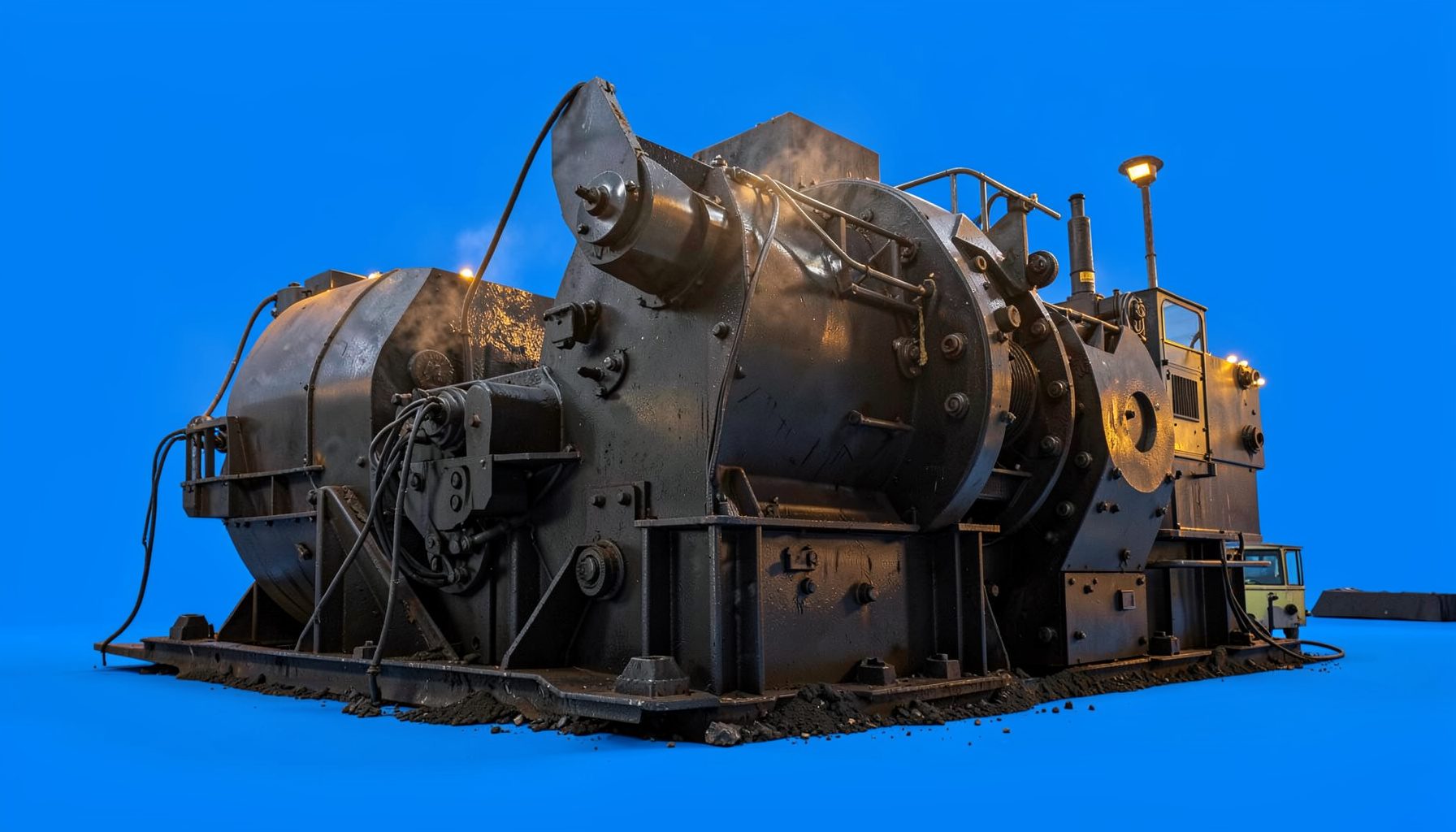
Vibrating Feeders Versus Belt Feeders for Metering
A vibrating feeder and a belt feeder can both move material from a hopper to a crusher, screen or mill, but they are not interchangeable under every operating duty. A belt feeder meters by moving a measured cross-section of material at a controlled speed. A vibrating feeder usually meters by shaking material through a controlled opening, with output influenced by stroke, frequency, tray slope and pressure from the material above. The practical answer to when to use a vibrating feeder instead of a belt feeder for metering therefore depends on the required accuracy, material characteristics and capacity to absorb feed surges.
Shanghai CME Mining and Construction Machinery Co., Ltd. manufactures crushing, grinding, screening, washing and mineral-processing equipment for quarrying, construction, cement, mining and aggregate operations. Its product range includes jaw, cone and impact crushers, sand-making machines, vertical and trapezium mills, vibrating feeders, conveyors and mobile crushing plants. International projects should compare feeders as part of the complete plant flow, from primary hopper draw-down through secondary crushing, screening and finished-product handling, rather than judging them only by rated tonnes per hour.
How the Two Feeding Systems Differ
A belt feeder forms a moving layer of material on a belt. Its feed rate is governed mainly by belt speed, loading depth, trough angle and the geometry of the hopper outlet. A correctly loaded belt can provide a smooth, continuous stream, particularly where downstream equipment needs a predictable input. Narrow feed gates, ploughs or insert liners can help contain the stream, while skirtboards prevent material from spilling onto return components.
A vibrating feeder transfers material through the movement generated by an unbalanced vibrator motor. The feeder’s trough repeatedly accelerates and decelerates the material, allowing it to advance toward the discharge lip. For metering, the important controls are not vibration alone but the combination of gate opening, frequency, stroke, feed depth and material head pressure. A variable-frequency drive can provide useful adjustment, although a feeder designed only for rough feeding may require additional metering controls to achieve consistent output.
Feed disturbances can also expose the difference between the two systems. A vibrating unit may release material that has arched in a hopper, while a belt feeder must be carefully loaded to avoid surges, belt mistracking and uneven draw-down. Downstream problems should be diagnosed before blaming either feeder. This sand machine troubleshooting guide illustrates why crusher settings, moisture, gradation and feed conditions should be reviewed together when product quality changes.
When Vibrating Feeding Earns Its Place
Vibrating feeders are well suited to primary feed from hoppers receiving run-of-mill material, truck dumps or surge bins. Their direct, positive drive can withstand heavy loading when the feeder is properly supported and the impact load is shared through a grizzly or robust hopper structure. A vibrating grizzly feeder allows smaller material to pass while directing oversized rocks toward a crusher, combining controlled presentation with protection from large impact pieces.
Wet, sticky or clay-bearing material often favours vibration because the oscillating tray encourages material to detach and move forward. A belt feeder can suffer from build-up on the belt, skirtboards and return rollers, particularly where cleaning access is limited. Vibrating feeders still require attention to material adhesion, tray condition and discharge restrictions, and very fine powders may create dust problems in either system. Neither design eliminates the need for extraction, housekeeping or suitable hopper geometry.
Temporary plants and mobile crushing installations also benefit from the relatively compact form of a vibrating feeder. It has no belt, pulleys or idlers, reducing the number of components that wear, mistrack or require tensioning. Foundation design remains critical because excess vibration can affect structures and nearby equipment. Portable maintenance equipment can support inspection and repair work; an example is the AEG power tool range, which crews may consider when standardising tools for non-production tasks away from the workshop.
When a Belt Feeder Controls the Process Better
A belt feeder is generally the stronger option when downstream equipment requires a continuous, low-variation input. Screens, mills and continuous batching processes benefit from the stable layer produced by a correctly loaded belt. Adjusting belt speed with a variable-frequency drive provides a straightforward way to change the rate, while ploughs and gates can control the feed profile. For metering by weight, the feeder should be integrated with load cells or a dedicated weigh-belt system.
Belt feeding also becomes more practical as the transfer distance increases. A short belt feeder can deliver several metres from a hopper, and the resulting conveyor can then carry material farther across a plant. A vibrating feeder is intended primarily for short, positive presentation and is not a substitute for a belt conveyor over a long route. Belt systems require inspection for tracking, tension, pulley lagging, skirt wear and carry-back, but their operating principle is readily understood by maintenance crews.
Material condition still determines the best choice. Highly abrasive rock may wear belt components rapidly, while sticky fines can block either a vibrating gate or a belt transition. Independent equipment product examples can help buyers develop a preliminary equipment comparison, but final selection should rely on verified material tests and manufacturer performance data. A common high-quality arrangement places a rugged vibrating feeder under the primary hopper, followed by a belt or weigh-belt feeder where accurate metering is required.
Designing for Australian Operating Conditions
Australian quarrying and aggregate markets include urban operations around Sydney and Melbourne, coastal supplies near Brisbane and Perth, and large mining projects in the Pilbara and regional Western Australia. Urban sites may face strict limits on noise, dust, traffic and operating hours, while remote operations commonly use long-distance road transport and fly-in, fly-out maintenance crews. A twelve-hour shift pattern means an inspection or component failure can remove a crusher or screen from production for much of a working day, making feeder reliability and access to critical spares especially valuable.
Safety obligations apply through each state and territory’s work health and safety laws and the Safe Work Australia model codes of practice adopted by regulators. Feeder guards, drive isolation, emergency stops, stable platforms and documented risk controls must be designed for the installation rather than added after commissioning. General housekeeping and personal-hygiene information can support site induction, with workplace hygiene resources offering useful reference material. Such resources complement, but do not replace, engineered guarding, dust extraction and exposure controls.
Environmental conditions also influence the specification. Victorian summers can bring high ambient temperatures, northern Queensland experiences cyclones and intense rainfall, and storms in New South Wales and Western Australia can damage poorly protected controls. Electrical installations should be assessed against AS/NZS 3000 and, where relevant, AS/NZS 3008 for mining and mineral-processing equipment. Competent electrical personnel should also consider earthing, protection, cable routes, variable-drive harmonics and lightning exposure, particularly at remote sites with demanding service conditions.
Selecting, Commissioning and Maintaining the System
The correct feeder begins with a clear definition of the duty: maximum lump size, bulk density, moisture, gradation, flowability, hopper head pressure, surge capacity, required tonnes per hour and acceptable feed variation. Representative material tests are more valuable than clean, laboratory samples because clay, moisture and particle shape can change the flow behaviour substantially. The selected discharge size and arrangement must also match the crusher or screening chamber, otherwise a feeder that performs well at the hopper may still produce poor downstream results.
Commissioning should begin with an empty-running check of vibration direction, motor mounting, springs, buffers, guards and foundation anchorage. The discharge gate is then adjusted under controlled feed conditions, and any drive settings are recorded as operating references rather than left as an unstructured adjustment. Belt feeders require equally specific checks for belt tracking, scrapers, transition plates and loading depth. If the process demands measured output, installed load cells or a calibrated weighing system must be verified across the intended feed range.
Maintenance planning should follow the manufacturer’s schedules and the site’s risk assessment. Vibrating feeders require attention to grease points, flexible elements, fasteners, motor cooling and vibration characteristics, while belt systems need daily cleaning, regular tension checks and prompt replacement of worn liners. Shanghai CME can supply feeders as part of integrated crushing and screening packages and provides project enquiries through its Shanghai headquarters. A vibrating feeder is the better metering solution where rugged construction and surge handling matter more than precision, while a belt or weigh-belt feeder remains preferable when a consistently met, continuous stream is the core process requirement.