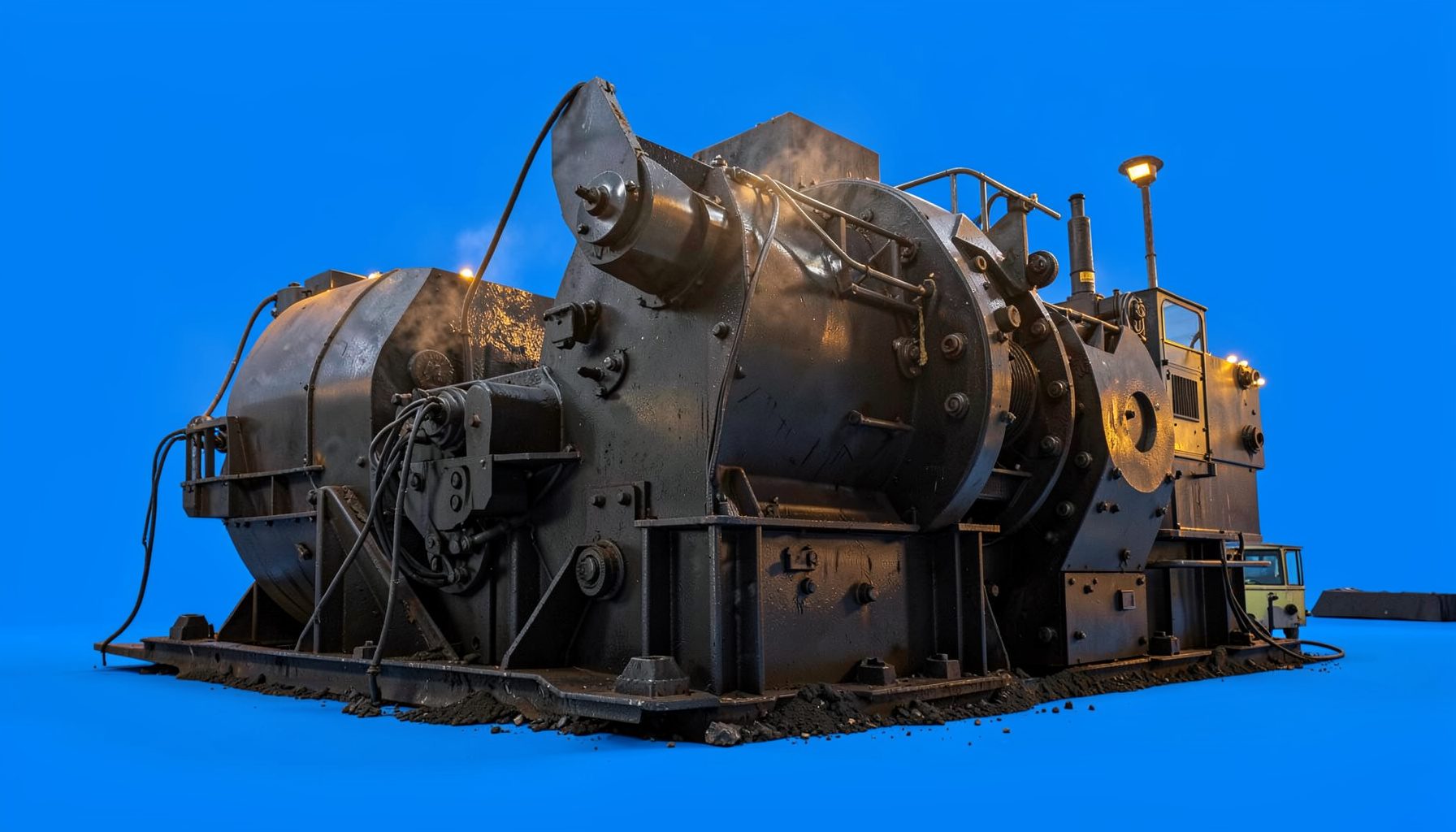
Skid-Mounted vs Wheel-Mounted Crushing Plants
Choosing between a skid-mounted crushing plant and a wheel-mounted crushing plant affects far more than transport. The frame design influences installation time, site preparation, production continuity, relocation costs, access requirements, and the way a quarry or mine responds to changing feed conditions. Both configurations can incorporate jaw crushers, cone crushers, impact crushers, screens, feeders, and conveyors, yet they suit different operating patterns.
For Australian contractors, quarry operators, and mining companies, the right decision often depends on distance, ground conditions, campaign length, and permitting requirements. A plant working near Perth may face different logistics from one serving a road project outside Brisbane or a hard-rock quarry near Adelaide. Shanghai CME Mining and Construction Machinery Co., Ltd. supplies crushing, screening, grinding, and mineral-processing equipment for these varied applications, with plant layouts that can be configured around the actual site.
Understanding The Two Plant Configurations
A skid-mounted crushing plant is built on a robust steel base that is positioned on prepared foundations, steel supports, or a compacted working platform. It is generally moved with lifting equipment, transport modules, or heavy haulage gear rather than driven directly from one location to another. Once installed, the plant behaves like a semi-permanent processing facility, with fixed feed points, conveyors, electrical systems, and maintenance zones.
A wheel-mounted plant is assembled on a trailer-style chassis with tyres, axles, and towing connections. It can be repositioned between work areas with less dismantling, making it attractive for short-term contracts, mobile quarrying, and aggregate production that follows road construction. Its mobility does not mean it requires no preparation: access roads, turning space, stabilisation, power, and safe setup areas remain essential.
The distinction is therefore operational rather than simply mechanical. Skid-mounted equipment favours stability and a planned layout, while wheel-mounted equipment prioritises relocation. A mobile crushing plant may still need several hours or days for levelling, connection, commissioning, and conveyor arrangement before it reaches full output.
When A Skid-Mounted Plant Has The Advantage
A skid-mounted unit becomes attractive when the crushing site will operate for months or years and the material source is relatively stable. A quarry with a long-term extraction area can position the primary jaw crusher, secondary cone crusher, screens, and stockpile conveyors in an efficient sequence. The result is less repeated setup work and a layout designed around consistent truck routes and maintenance access.
The fixed base also provides strong support for heavier equipment and continuous-duty production. Large feed hoppers, high-capacity vibrating feeders, multi-deck screens, and longer conveyors can be integrated without designing every component around road towing limits. This can improve plant stability and simplify alignment between crushers and transfer points.
Skid-mounted systems are especially useful where the owner wants a semi-permanent processing hub but may eventually move the plant within the same lease or project area. They occupy a middle ground between a fully fixed plant and a frequently relocated mobile unit. Lifting points and modular construction can allow relocation when the pit advances, without accepting the compromises of a trailer-based layout.
Situations That Favour Wheel-Mounted Equipment
Wheel-mounted crushing plants suit operations where the work face changes regularly. Road upgrades, dam construction, rail infrastructure, and quarry rehabilitation projects may require aggregate production at several locations. A towable plant can follow the demand for road base, concrete stone, or manufactured sand, reducing the need to haul raw rock long distances to a central facility.
This arrangement can also suit a contractor moving between short production campaigns. If a project near Newcastle finishes and another begins inland in New South Wales, the plant can be transported using established heavy-haulage procedures rather than being dismantled into multiple modules. The overall move still requires route assessment, escorts where applicable, permits, and planning around bridge limits and local traffic rules.
Wheel-mounted equipment has practical limitations. Tyre loading, chassis dimensions, towing restrictions, and compact layouts can constrain hopper size, screen area, conveyor length, or access for maintenance. A plant that moves easily may produce less efficiently than a larger skid-mounted installation when both are fed continuously from the same quarry face.
Site Access, Ground Conditions, And Setup
Access is often the first deciding factor. Wheel-mounted plants need a route suitable for the complete unit, including adequate width, turning radius, overhead clearance, and bearing capacity. Remote Australian sites can involve corrugated tracks, soft ground, flood-prone crossings, or long distances between service facilities. A plant that is technically towable may still be impractical if the road requires extensive upgrades.
Skid-mounted units need heavy transport and lifting during installation, but those activities can be concentrated into one planned mobilisation. Once placed, the equipment can operate on a properly engineered pad with less concern about tyre pressure, towing hardware, or trailer stabilisation. Geotechnical assessment remains important, particularly where a crusher, feeder, or stockpile conveyor creates concentrated loads.
Dust control and screening performance also depend on the setup. Enclosures, spray bars, transfer chutes, and correctly selected screening media need room to work safely. Operators reviewing screening media options should consider aperture shape, wear resistance, moisture, and the target product gradation rather than treating the screen as an afterthought.
Production Capacity And Process Design
A skid-mounted plant generally offers greater freedom to build a high-throughput circuit. It can combine a large jaw crusher for primary reduction with a cone crusher for shaped aggregate, an impact crusher for recycled or softer material, and several screening stages. This makes it suitable for quarry products, cement raw materials, iron ore pre-crushing, and aggregate specifications requiring several calibrated fractions.
A wheel-mounted circuit can also include multiple stages, but its compactness may influence the feed arrangement and recirculation path. Short conveyors and integrated chassis designs help with transport, yet they may leave less room for large stockpiles or comfortable inspection points. The best choice depends on whether mobility or peak hourly output has greater commercial value.
Material characteristics should guide the selection. Hard basalt, granite, and abrasive iron ore place heavy demands on liners, wear plates, and crushing chambers. Clay-rich feed may need scalping before the jaw crusher, while damp material can reduce screen efficiency. Moisture, top size, abrasiveness, and the desired final product should be assessed before selecting either chassis type.
Energy use is also linked to circuit design. Correct crusher reduction ratios, controlled feeding, and sensible recirculation can reduce unnecessary fines and power draw. Operators planning a broader mineral-processing circuit may benefit from reviewing methods for grinding circuit efficiency, particularly when crushing feeds a ball mill, vertical mill, or other fine-grinding stage.
Installation, Maintenance, And Operating Costs
A wheel-mounted plant usually reduces initial civil work and can reach production sooner when the site is accessible. The chassis arrives with major components integrated, so commissioning may be simpler than building a large fixed arrangement. This advantage is strongest when the plant moves several times during its working life and each relocation avoids prolonged dismantling.
The cost calculation changes when the plant stays in one place. Frequent towing, crane support, transport permits, tyre replacement, and reconnection of conveyors can erode the mobility benefit. A skid-mounted plant may require a higher initial installation budget, but its stable arrangement can support easier maintenance planning and more efficient material flow over a longer campaign.
Maintenance access deserves specific attention. Fixed platforms, walkways, guarding, lubrication points, and spare-parts storage can be designed around a skid layout. Wheel-mounted designs must preserve transport dimensions, which can mean folding conveyors, confined access, or more frequent setup work. In either configuration, hydraulic systems, bearings, crusher liners, screen meshes, and electrical controls should be selected for the local duty cycle and available service support.
Power supply is another cost variable. A skid-mounted installation may connect neatly to a permanent grid supply or dedicated generator system. A wheel-mounted plant may use an onboard or modular power arrangement, which benefits temporary projects but can create fuel, noise, and refuelling demands. Remote locations in Western Australia and Queensland often require careful planning for diesel storage, water supply, communications, and spare parts.
Australian Applications And Compliance Factors
Australian quarrying and construction work often involves long haul distances, strict dust controls, and variable project schedules. A skid-mounted plant can be well suited to a hard-rock quarry supplying metropolitan Melbourne or Adelaide, where a stable extraction area supports continuous production and the plant can be integrated with permanent stockpiles. It also suits mine-site infrastructure where the processing location will remain active for a substantial period.
Wheel-mounted equipment is commonly considered for road and civil projects that advance along a corridor. A contractor near Brisbane may need to produce road base close to several cut-and-fill zones, while a regional project in New South Wales may shift its aggregate source as construction progresses. A mobile layout can reduce the distance between the face and the placement area, helping control truck cycle times.
Local requirements should be addressed before equipment arrives. State and territory rules can affect heavy-vehicle movements, noise, dust, water management, guarding, electrical installation, and rehabilitation. Cultural heritage approvals, land access, bushfire conditions, and wet-season access can also affect the practical schedule. A wheel-mounted plant is not automatically exempt from approvals, and a skid-mounted unit is not automatically treated as permanent; the project’s location and use determine the obligations.
For mobile plant planning, transport assumptions should be tested against real routes and site constraints. Guidance on mobile plant logistics can help frame questions about relocation, modularity, and operating conditions, although Australian operators must still verify requirements with the relevant road authority, principal contractor, and site management team.
A Practical Selection Framework
The clearest choice comes from comparing the plant’s expected life at each location with the value of moving it. If the equipment will remain beside one quarry face for several years, a skid-mounted plant usually offers stronger layout control, higher capacity potential, and more convenient integration with conveyors and stockpiles. If production follows a temporary work front, wheel-mounted equipment may preserve flexibility and reduce relocation time.
The following comparison provides a starting point for a site-specific assessment:
| Selection factor | Skid-mounted crushing plant | Wheel-mounted crushing plant |
|---|---|---|
| Typical operating pattern | Semi-permanent or long campaigns | Short campaigns and frequent relocation |
| Civil preparation | Engineered pad, supports, and lifting plan | Level working area and stabilisation |
| Relocation method | Crane, heavy haulage, or modular dismantling | Towing or heavy-vehicle transport |
| Capacity potential | Strong for large feeders, crushers, and screens | Strong for compact and medium-capacity circuits |
| Layout flexibility | High once installed | High between sites, more limited on the chassis |
| Maintenance access | Can include permanent platforms and service zones | Constrained by transport dimensions in some designs |
| Best-fit applications | Established quarries, mines, and long-term plants | Road projects, temporary pits, and contract crushing |
| Main cost exposure | Installation and initial civil works | Transport, towing, tyres, and repeated setup |
| Australian planning issue | Foundation, power, dust, and long-term approvals | Route access, permits, escorts, and site moves |
The final decision should combine production targets, feed properties, project duration, access conditions, power availability, and the cost of each planned relocation. A skid-mounted circuit is generally the stronger choice when dependable high-volume processing matters more than rapid movement. A wheel-mounted plant is usually preferable when the value lies in reaching several work areas quickly and producing material close to changing demand.