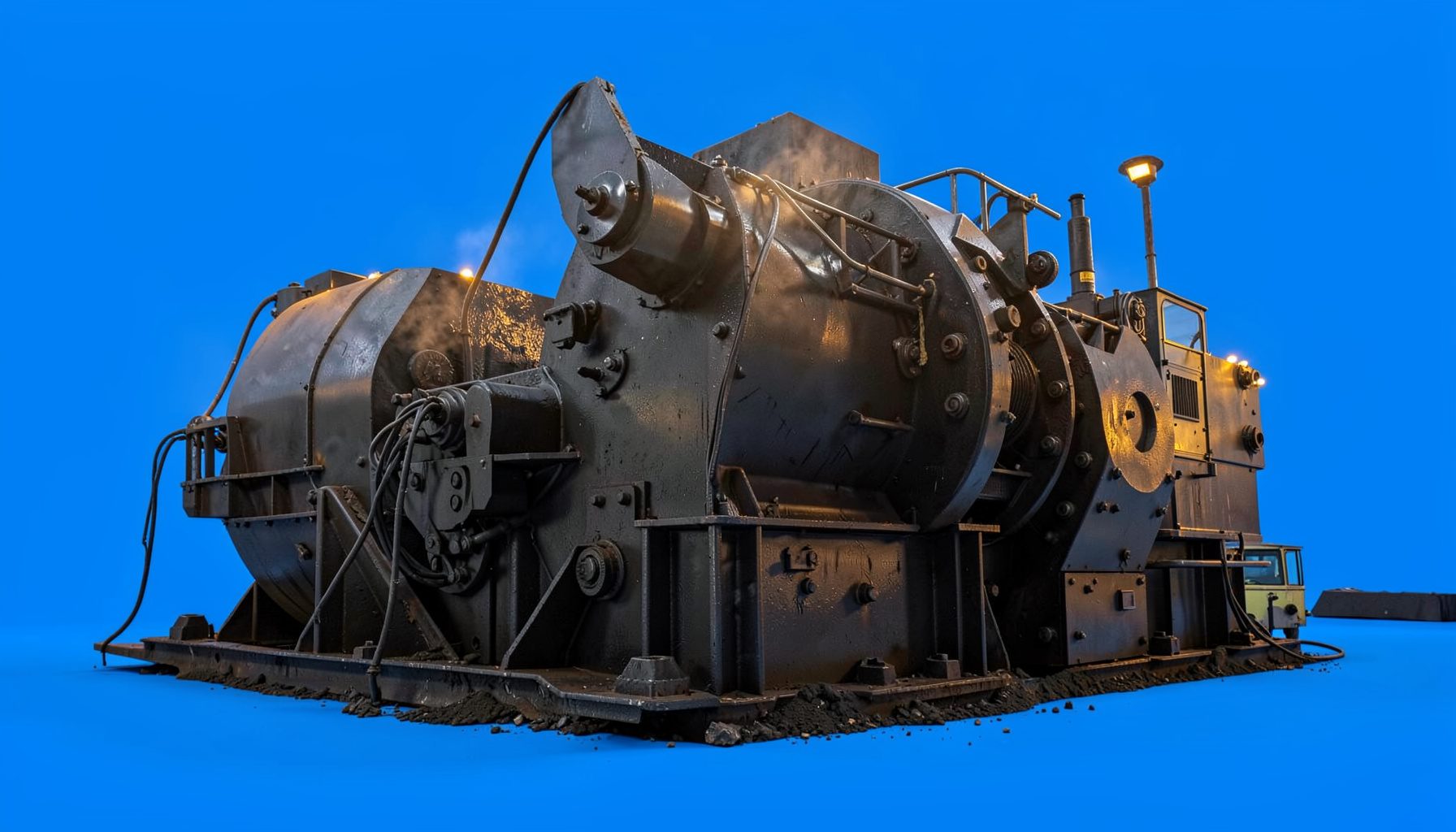
Energy-Saving Grinding Circuits in Mineral Processing
Grinding is often the largest single consumer of power in a mineral-processing plant. A circuit that is poorly matched to its ore, overloaded with fines, or operating with weak classification can turn valuable electricity into heat, noise and excessive recirculating load. Careful circuit design and steady operating discipline can reduce specific energy use while protecting throughput and product size.
For Australian operators, the issue is especially practical. A concentrator in the Pilbara may run far from a strong grid connection, while a gold plant near Kalgoorlie or a hard-rock quarry outside Brisbane can face high power prices, water constraints and long maintenance supply chains. The best savings usually come from several small improvements working together rather than from a single major equipment change.
Map Where Energy Goes
Begin with a reliable energy and mass balance. Record the power draw of the mill motor, feed preparation equipment, pumps, classifiers, cyclones, conveyors and air systems. Compare those figures with tonnes processed per hour and the particle-size distribution at mill feed and product. The key measure is specific energy consumption, usually expressed as kilowatt-hours per tonne.
A circuit can appear efficient at the motor while wasting energy elsewhere. A worn cyclone may send coarse particles forward, forcing the mill to grind them again. A leaking slurry pump can increase flow without increasing useful production. High circulating load can also conceal poor performance because the mill remains busy while fresh-feed throughput falls. Trending power, density, pressure and product size together makes these losses visible.
Australian sites should include the cost of remote generation and demand charges in the analysis. A mine using diesel or gas generation in Western Australia may value a lower peak load as much as a lower average load. In eastern states, the plant may benefit from shifting intensive grinding activity away from expensive tariff periods, provided stockpiles and downstream capacity allow that flexibility.
Match The Mill To The Ore
Ore competency, moisture, mineral liberation size and abrasiveness determine whether a circuit should rely on impact, abrasion, compression or a combination of mechanisms. A hard, competent ore can punish an undersized mill and increase liner and media consumption. A softer ore may be over-ground in the same arrangement, consuming energy without improving recovery.
The right grinding equipment also depends on the target product. Vertical mills and trapezium mills can suit particular fine and ultra-fine applications when feed preparation, moisture and classification are properly controlled. This trapezium mill science explains how mill geometry and airflow influence fine-particle production, which is important when comparing a dry grinding arrangement with a conventional wet circuit.
Pilot testing, ore variability data and historical plant results are more useful than selecting equipment from nominal capacity alone. A mill rated for a particular tonnage under one ore condition may perform differently during wet-season feed, a new mine bench or a blend containing more clay. Design allowances should cover realistic variability without making every component unnecessarily large.
Stabilise Feed And Classification
Consistent feed is one of the simplest ways to reduce wasted grinding power. A vibrating feeder, surge bin or properly controlled conveyor can prevent sudden slugs of material from reaching the mill. When feed rate, moisture and particle size fluctuate sharply, operators often respond by lowering throughput or increasing water, both of which can reduce circuit efficiency.
Primary and secondary crushing also influence the grinding workload. A well-maintained jaw crusher or cone crusher can produce a more consistent mill feed, while excessive recirculation in the crushing stage may pass unnecessary fines into the grinding circuit. Screening before milling can remove material that already meets specification and reserve mill capacity for particles that actually require size reduction.
Classification should separate finished material from the coarse fraction with minimal delay. Cyclone pressure, apex condition, vortex finder wear, slurry density and pump performance all affect the cut size. If the classifier is too coarse, liberated particles return to the mill. If it is too fine, valuable coarse particles may pass forward and reduce recovery downstream. Regular sampling of feed, overflow and underflow is essential for finding the useful operating window.
Control Media And Mill Loading
In a tumbling mill, grinding media size distribution affects both breakage and power demand. Large balls provide impact energy for coarse particles, while smaller media create more contact points for finer material. A poorly balanced charge can increase wear and noise without producing the desired size reduction. Media make-up should therefore be based on feed size, ore competency, product target and measured wear.
Mill filling must also be controlled. Too little material can cause inefficient impacts and unstable operation; too much can restrict movement and increase overload risk. Operators should monitor motor power, bearing temperature, sound, liner condition, slurry density and discharge behaviour rather than relying on a single instrument. Changes in ore hardness may require a controlled adjustment to feed rate or water addition before the mill reaches an unstable condition.
Liner profile has a direct effect on energy transfer. A worn liner may reduce lifting action and allow the charge to slide, lowering breakage efficiency. Replacing liners too early wastes usable steel, but running them beyond their effective profile can increase power per tonne and damage other components. Inspection data, relining history and power trends can establish a practical replacement point for each mill.
Recover Water And Protect Product Quality
Wet grinding circuits must manage water as carefully as solids. Excess dilution can reduce classification efficiency, increase pumping duty and create a larger volume of slurry for downstream treatment. Too little water can raise viscosity, restrict transport and increase the risk of roping in a cyclone. The useful target is stable slurry rheology at the required density, not simply the lowest possible water addition.
Water recovery also affects operating cost in dry parts of Australia, including South Australia and inland Western Australia. Thickener performance, pump selection and return-water quality can influence the energy required to move and condition process water. In some circuits, improving overflow clarity or controlling flocculant addition can reduce downstream filter and pump loads.
Screens and separation equipment must be selected for the actual slurry conditions. This discussion of crimped mesh design is relevant when evaluating screening and solid-liquid separation surfaces, because open area, wire geometry and wear resistance influence flow and separation. A blinded or worn screen increases bypass, recirculation and maintenance demand, undermining the energy savings achieved at the mill.
Automate For Stable Throughput
Advanced control works best after mechanical problems have been corrected. A controller cannot compensate for a blocked screen, a leaking cyclone manifold or a feeder that cannot deliver a repeatable rate. Once the equipment is sound, automatic control can coordinate mill feed, dilution water, sump level, cyclone pressure and product-size measurements.
A common objective is to keep the mill close to its highest stable throughput without exceeding power, torque or density limits. Feed-forward control can respond to changes in ore rate, while feedback from particle-size analysers or cyclone conditions can trim water and circulating load. Soft sensors can estimate variables that are difficult to measure continuously, although operators still need dependable laboratory checks.
Remote Australian operations benefit from clear alarms, trend displays and condition monitoring because specialist personnel may be several hours away or working on a FIFO roster. Vibration monitoring, motor-current analysis and bearing temperature trends can identify developing faults before they become unplanned shutdowns. Good automation also gives shift teams a common operating picture, reducing abrupt changes between crews.
Compare Options Before Upgrading
Capital upgrades should be assessed against the whole circuit rather than the mill alone. A larger mill may increase nominal capacity but require bigger pumps, cyclones, transformers, buildings and water systems. Conversely, a classification improvement, pre-screening step or more efficient drive may release capacity at a lower installed cost. Lifecycle energy, wear parts, labour, availability and commissioning risk all belong in the calculation.
Integrated packages can simplify interfaces when a plant needs crushing, screening, conveying and grinding changes at the same time. Information on complete processing plants illustrates why equipment selection should consider the relationship between stages rather than treating each machine as an isolated purchase. Shanghai CME Mining and Construction Machinery Co., Ltd. supplies equipment across crushing, grinding, screening, washing and mineral-processing applications, allowing circuit discussions to include upstream and downstream constraints.
The comparison below provides a practical starting point. Actual performance depends on ore characteristics, feed preparation, product specification, plant scale and site conditions, so figures should be confirmed through testing and operating data.
| Circuit action | Typical energy benefit | Main condition for success | Australian operating consideration |
|---|---|---|---|
| Improve crushing product size | Lower mill work index burden | Consistent crusher setting and screening | Useful where hard ore travels long distances from pit to plant |
| Optimise cyclone classification | Less over-grinding and recirculation | Stable pressure, density and cyclone maintenance | Reduces pump and mill duty at remote sites |
| Adjust media and liner profile | Better breakage per kilowatt-hour | Regular inspections and controlled media make-up | Helps manage long lead times for spares |
| Control slurry density | Lower pumping and classification losses | Reliable water, density and flow measurement | Important in dry regions with tight water licences |
| Add automation and condition monitoring | More stable throughput and fewer trips | Sound instrumentation and trained operators | Valuable for FIFO teams and isolated concentrators |
| Consider vertical or fine-grinding equipment | Efficient size reduction in suitable duties | Correct feed size, moisture and product target | Requires evaluation against local power and maintenance support |
A sound optimisation programme therefore starts with measurement, validates the ore response, and then targets the largest source of avoidable energy use. The result is a grinding circuit that produces the required liberation and product size with steadier throughput, controlled water use and less power consumed per tonne.