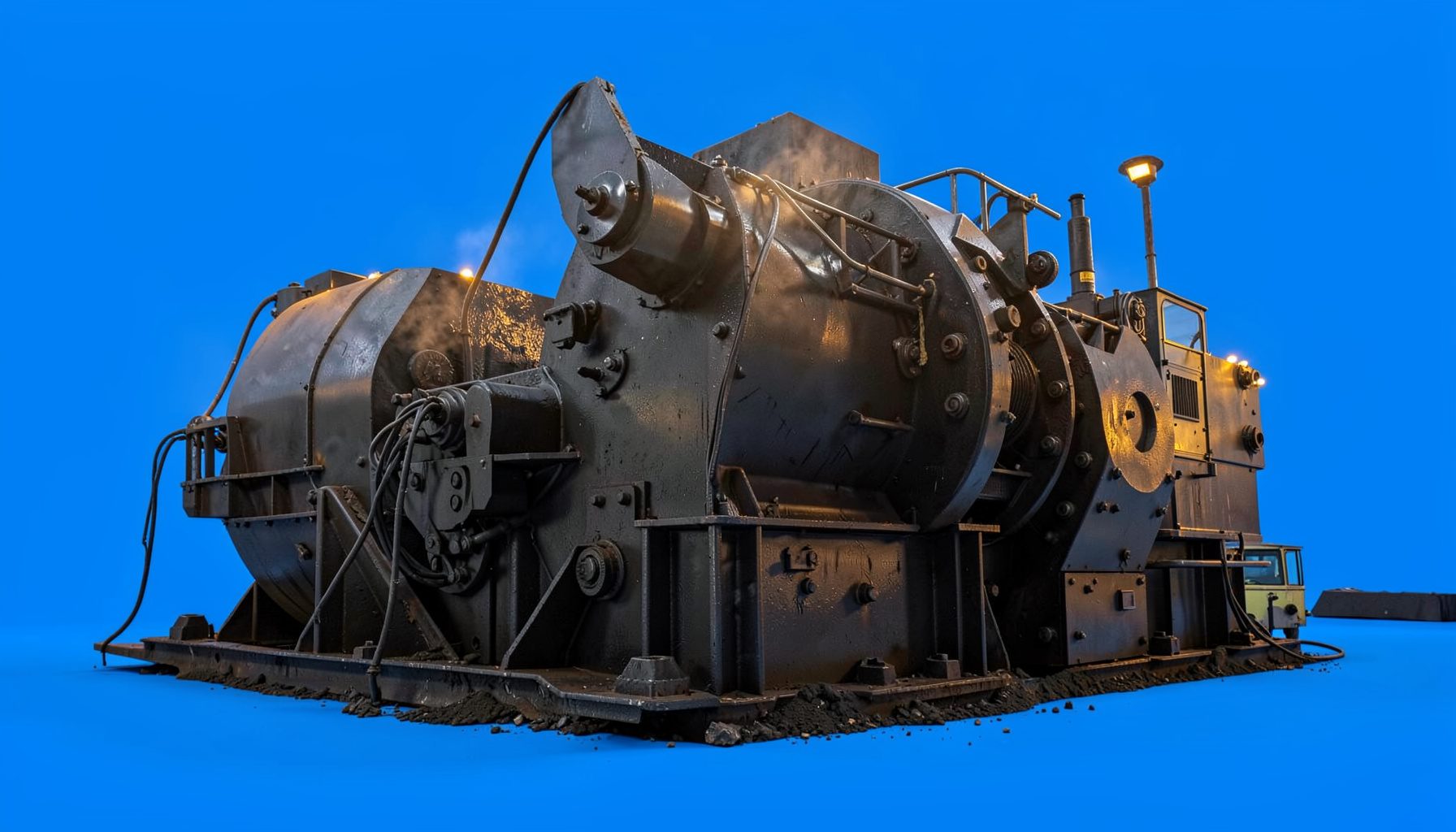
Setting Up a Complete Crushing and Screening Plant on Site
A reliable crushing and screening plant begins with a clear understanding of the feed material, production target and site conditions. Equipment should be selected as a connected process rather than as separate machines. The primary crusher, secondary crusher, screens, feeders, conveyors and stockpiles must work together to deliver consistent output with minimal recirculation.
Australian quarry and mining sites often operate over long distances, in hot or dusty conditions and with limited access to specialist labour. A plant near Perth may process hard granite for road base, while a site in Queensland may handle abrasive basalt or recycled concrete. These differences influence crusher selection, electrical design, water management and the amount of spare equipment required.
Good planning also reduces delays caused by transport, approvals and commissioning. A complete layout should account for truck movements, maintenance access, dust control, drainage, noise, product storage and future capacity. Early coordination with equipment manufacturers such as Shanghai CME Mining and Construction Machinery Co., Ltd. helps ensure that the plant is practical for the intended application.
Define the production brief before choosing equipment
Start by recording the feed type, maximum lump size, moisture content, abrasiveness and expected daily tonnage. Material testing is valuable when the deposit contains clay, sticky fines, high silica or variable rock types. A laboratory report can guide the choice between jaw, cone and impact crushing, while also indicating whether washing or additional screening will be necessary.
The required products should be specified in terms of size and quality. A quarry producing 20 mm aggregate, 10 mm aggregate, manufactured sand and road base needs a different circuit from a mine producing a single coarse product. Include the expected percentage of each fraction, acceptable oversize, fines limits and peak production rate. Designing only for average output can leave the plant unable to cope with seasonal demand or a short-term contract.
Consider operating hours and site logistics as well. A remote Western Australian operation may need a robust plant with straightforward maintenance and a large stock of wear parts because a replacement component cannot arrive quickly. A metropolitan project near Melbourne or Sydney may face stricter limits on noise, dust, truck movements and operating hours. These constraints should be included in the design brief rather than addressed after installation.
Before finalising the arrangement, confirm local permitting and environmental obligations. Requirements can vary between states and councils, particularly for noise, water discharge, dust emissions, land disturbance and rehabilitation. A practical project compliance guide can provide useful general reference material, but Australian operators must verify the final design against the relevant state regulator, council conditions and site approvals.
Match the crushing circuit to the feed material
The primary crusher receives the largest and most irregular feed, so it must be sized for both capacity and lump dimensions. Jaw crushers are widely used for hard rock and quarry applications because they are mechanically simple and able to handle large feed. A vibrating feeder positioned before the jaw crusher can regulate flow, remove unwanted fines and prevent surges that reduce crushing efficiency.
The secondary and tertiary stages determine the final shape and gradation of the product. Cone crushers are generally suited to hard, abrasive materials and high-volume aggregate production. Impact crushers can be effective where a cubical product is important or where the feed is less abrasive, such as limestone or certain recycled materials. An oversize return conveyor may feed material back to the crusher, creating a closed circuit that improves product control.
Moisture and clay deserve particular attention. Wet, sticky material can block chutes, blind screens and reduce capacity, especially during rain in coastal New South Wales or tropical Queensland. Where the feed contains troublesome clay, a grizzly, scalping screen or scrubber may be needed before the primary crusher. In other cases, washing equipment and dewatering screens should be included to produce clean manufactured sand or aggregate.
The sand-making stage requires careful control of feed gradation and crusher settings. A vertical shaft impactor may be appropriate when a refined, cubical sand product is required, while a conventional crushing circuit may produce sufficient fines for road base. A practical sand machine guide can help frame the selection process, but final sizing should be based on material tests and the required Australian product specifications.
Design screening, conveying and stockpiles as one system
Screening efficiency affects every downstream stage. Select screen decks according to the number of required products, feed size, moisture and the accuracy of separation required. A two- or three-deck vibrating screen may produce several aggregate sizes in one pass, while a scalping screen can remove undersize material before it reaches the main crusher.
Allow enough screen area for peak feed rather than average feed. Excessive loading can cause particles to pass over the deck before separation, leading to contamination between products. Screen inclination, stroke, speed and media selection should be considered together. Rubber, polyurethane and woven wire media each have different wear, open-area and blinding characteristics.
Conveyors should maintain a steady material flow without creating bottlenecks at transfer points. Use suitable belt widths, impact beds and guarding, with accessible walkways around inspection areas. Transfer chutes need correct angles and liners to reduce blockages, dust and uncontrolled impact. Stockpile conveyors should be arranged so that loaders and trucks can work without crossing active haul roads or damaging the product.
Stockpile management is especially important when producing several saleable fractions. Separate bays, clear signage and good drainage prevent contamination and waterlogging. In areas affected by intense rainfall, such as parts of Brisbane or the north coast, stockpile pads may need grading, compacted surfaces and controlled runoff. A layout that looks efficient on paper can become unsafe if wet-weather traffic turns access roads into soft ground.
Prepare the site, services and safety systems
Site preparation should begin before the equipment arrives. Establish a firm, level foundation for crushers, screens and transfer towers, and confirm that ground conditions can support dynamic loads and vibration. Depending on the plant size and geology, foundations may use reinforced concrete, compacted hardstand or engineered modular supports. Survey the site carefully so that conveyors, access roads and drainage align with the final design.
Power requirements should be calculated for the complete operating circuit, including motors, dust suppression, lighting, control systems and auxiliary equipment. Remote sites may use diesel generators, hybrid power or a connection to an existing mine grid. Starting loads and emergency shutdown behaviour should be tested during electrical design. Water supply is also a key consideration when the plant includes spray bars, scrubbers or wet classification.
Australian sites require disciplined traffic and safety planning. Separate heavy vehicles from pedestrians, provide protected maintenance platforms and install guards around belts, pulleys and moving parts. Emergency stop systems should be easy to reach and tested routinely. Lockout and tagout procedures must be clear to employees, contractors and visiting drivers, particularly where the plant operates with a mixed workforce or rotating FIFO crews.
Dust suppression should be designed for the actual material and climate. Enclosed transfer points, correctly positioned sprays, water carts and local extraction can work together, although excessive water may affect screening and product quality. In dry inland regions such as South Australia or the Pilbara, wind can carry fine particles well beyond the plant boundary. Noise barriers, operating schedules and regular monitoring may also be needed near communities.
Commission the plant and protect long-term performance
Commissioning should proceed in stages rather than beginning with a full production load. Inspect foundations, fasteners, guards, lubrication systems, electrical connections and belt tracking before starting individual machines. Run conveyors empty, check rotation and confirm that emergency stops isolate the appropriate equipment. The control system should then be tested through the normal start-up sequence and shutdown sequence.
Introduce feed gradually while monitoring motor current, bearing temperature, vibration, belt alignment and crusher pressure. Record the settings that produce the required product sizes, including CSS for cone or jaw crushers, rotor settings for impact machines and screen parameters. Sampling at the feed, intermediate transfer points and final stockpiles helps identify where contamination or capacity loss is occurring.
Wear parts should be selected according to the abrasiveness and production profile of the site. Jaw plates, cone liners, impact bars, screen media, conveyor belts and chute liners all have different replacement intervals. Keeping critical parts on site is sensible when the plant is far from major service centres such as Perth, Adelaide or Townsville. A planned maintenance schedule is more economical than waiting for a breakdown during a production campaign.
Operators should receive practical training in start-up, shutdown, blockage clearing, inspection and safe isolation. Daily checks can identify loose bolts, oil leaks, damaged liners, unusual vibration and screen blinding before they cause a major stoppage. Production data should be reviewed after commissioning so that feed rates, crusher settings and screen loading can be adjusted. With a well-tested layout and disciplined maintenance, the plant can deliver stable aggregate quality across changing Australian conditions.