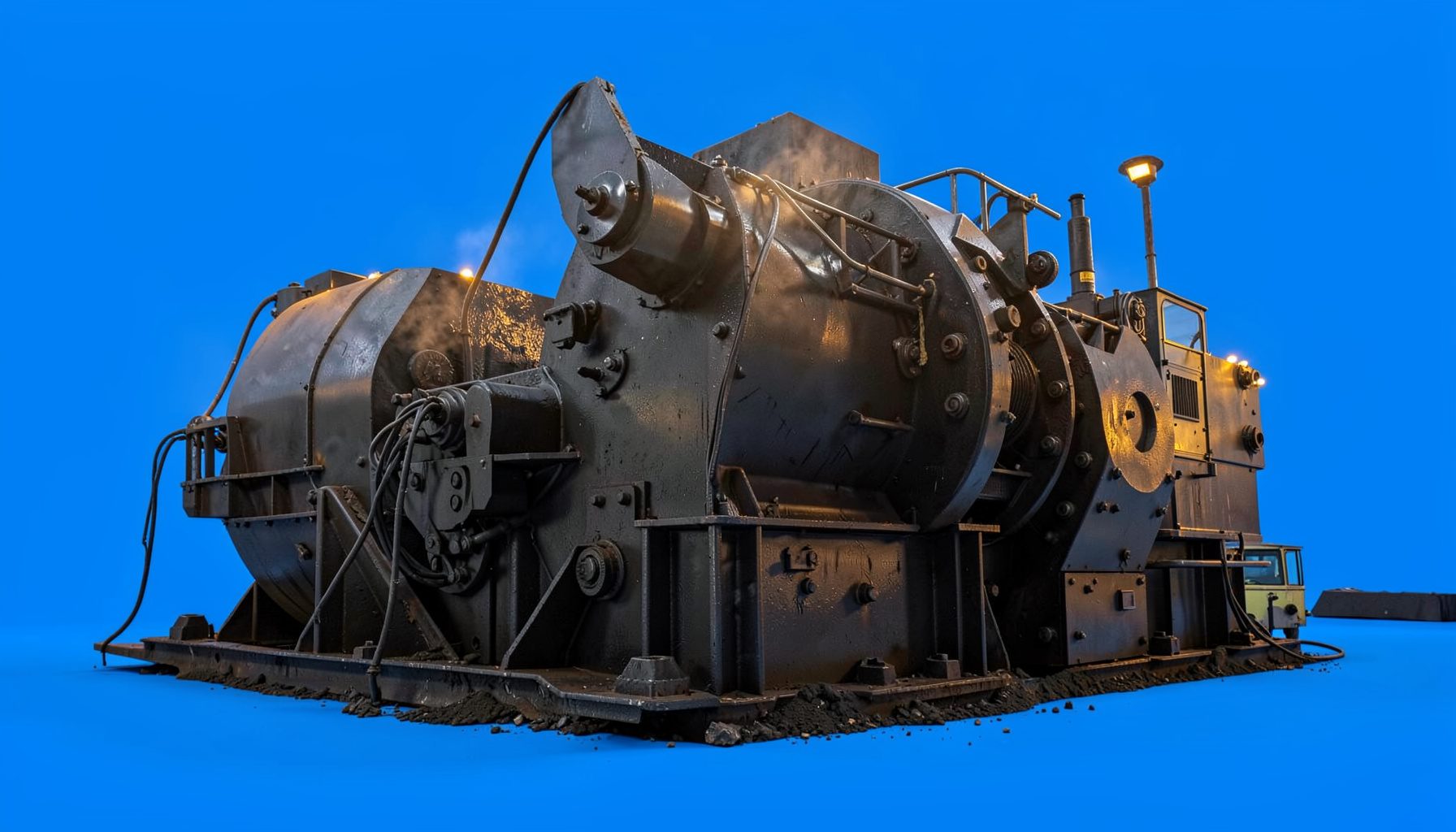
How grinding mills improve cement production efficiency
Grinding is the stage where cement raw materials and clinker are reduced to a controlled fineness. It is also one of the most energy-intensive parts of a cement plant, so mill selection, feed preparation and operating discipline have a direct effect on production cost. A well-managed grinding circuit can produce consistent cement with less power, fewer stoppages and lower maintenance demand.
For Australian producers, these gains matter across very different operating environments. A plant supplying infrastructure around Sydney or Melbourne may prioritise high throughput and stable quality, while a regional facility in Western Australia or Queensland may have to manage long supply routes, skilled-labour shortages and higher electricity costs. The right grinding strategy must fit the material, market and site conditions.
Why milling governs plant efficiency
Cement grinding turns clinker, gypsum and supplementary cementitious materials into a product with a specified particle-size distribution. The mill must generate enough surface area for hydration without creating excessive ultrafine particles that increase power consumption, water demand or storage problems. Fineness is commonly monitored through Blaine surface area, residue on a test sieve and particle-size analysis.
Grinding efficiency is influenced by the amount of useful work extracted from each unit of electrical energy. Poorly prepared feed, excessive circulating load, worn liners or incorrect separator settings can cause the mill to consume more power while delivering less saleable cement. Since the grinding department often represents a substantial share of a cement plant’s electricity use, small improvements can generate meaningful annual savings.
The target is not simply maximum capacity. A mill producing more tonnes per hour but creating variable cement may lead to rejected batches, difficult concrete performance and additional blending work. Efficient operation balances throughput, fineness, temperature, product quality and equipment availability.
Selecting the right mill configuration
Several technologies are used in cement plants. Ball mills remain common because they are robust, familiar to operators and capable of handling a wide range of cement types. Vertical roller mills usually offer lower specific power consumption and combine grinding, drying and separation in one system. High-pressure grinding rolls can reduce clinker to a compacted feed that is finished in a ball mill or separator circuit.
The best configuration depends on moisture, hardness, abrasiveness and the required cement portfolio. A vertical mill can be attractive where drying is needed, while a ball mill may be preferred where operational simplicity and easy product changeover are more important. Grinding aids, gypsum proportion and the use of fly ash, slag or limestone also affect the selection.
Upstream crushing has a major influence on mill performance. Consistent feed size reduces unnecessary impact and improves residence-time control. Producers comparing primary and secondary equipment can consult this crusher selection guide when assessing how jaw and impact crushers may affect downstream grinding demand. A well-designed crushing circuit can lower the mill’s workload before material reaches the grinding chamber.
Preparing feed for lower power use
The mill cannot compensate efficiently for badly controlled feed. Clinker should arrive with a stable size distribution, while gypsum and mineral additions need accurate proportioning. Oversized particles increase recirculation and may create localised wear. Excessively fine material can overload the separator or reduce the effectiveness of grinding media in a ball mill.
Moisture is equally important. Wet feed consumes heat and may cause coating or blockages, particularly in air-swept systems. In a vertical roller mill, hot gas must dry the material while maintaining a stable grinding bed. In a ball mill circuit, moisture can reduce ventilation and make material flow less predictable. Online moisture measurement and dependable weigh feeders help keep the circuit balanced.
Pre-grinding is another route to improvement. A crusher, roller press or specialised grinding stage can reduce the energy needed in the finish mill. The equipment must still be selected as part of a complete circuit rather than as an isolated machine. Feeders, conveyors, magnetic separators and dust collectors all influence whether the mill receives a reliable, clean stream of material.
Controlling the circuit in real time
Modern cement mills rely on instrumentation to maintain stable conditions. Key measurements include mill motor load, feed rate, outlet temperature, pressure differential, separator speed, vibration and product fineness. A distributed control system can use these signals to adjust fresh feed, airflow, water injection and classifier settings before instability develops.
The separator is particularly important. Its rotor or cage controls how much fine product leaves the circuit and how much coarse material returns for further grinding. If the separation cut is too coarse, cement may fail its fineness specification. If it is too fine, the circulating load rises, power consumption increases and mill capacity falls.
| Operating factor | Typical warning sign | Likely effect | Useful response |
|---|---|---|---|
| Feed rate | Unstable tonnes per hour | Variable quality and mill loading | Check weigh feeders and reclaim systems |
| Mill differential pressure | Gradual or sudden increase | Restricted airflow or excessive material bed | Inspect ducts, filters and feed moisture |
| Outlet temperature | Rising above target | Gypsum dehydration or equipment stress | Adjust ventilation and cooling |
| Separator speed | Fineness drifting | Incorrect product separation | Recalibrate speed and check wear |
| Vibration | Repeated high peaks | Poor grinding bed or mechanical fault | Reduce load and inspect rollers, liners or bearings |
| Product residue | Higher than specification | Insufficient grinding | Review separator setting, media charge or feed size |
Automation does not remove the need for experienced operators. Trend data must be interpreted alongside material changes, weather and maintenance history. A sudden shift in clinker hardness may require a different operating set point even when the equipment is functioning normally.
Managing wear and maintenance demands
Grinding mills operate under continuous impact, compression and abrasion. Liners, rollers, grinding tables, diaphragms, separator components and bearings all experience progressive wear. When wear changes the internal geometry of the mill, power use and product quality can deteriorate long before a major breakdown occurs.
A condition-based maintenance programme uses vibration monitoring, temperature checks, oil analysis and regular inspection of wear surfaces. Planned replacement is usually less disruptive than waiting for a liner failure or damaged separator component to stop production. Critical spares should be identified according to delivery time, especially for Australian plants that rely on long-distance freight from Perth, Brisbane, Adelaide or overseas suppliers.
Dust management also supports reliability and worker safety. Effective bag filters, sealed transfer points and suitable ventilation help protect motors, instruments and bearings from abrasive particles. Sites near regional communities need careful attention to noise, visible emissions and traffic movements, while plants in dry inland areas may face severe dust conditions during prolonged drought.
Connecting the mill with the wider plant
Grinding efficiency is a system result. Material must move consistently from storage to dosing, crushing, milling, separation and cement dispatch. A bottleneck in a bucket elevator, reclaim hopper or conveying line can force the mill to run below its rated capacity. Conversely, an oversized mill cannot deliver its potential if the upstream crusher provides irregular feed.
Mobile equipment can be useful during quarry expansion, temporary production changes or work on a fixed crushing line. A track mobile crushing plant can support flexible material handling and reduce the distance between extraction and primary size reduction. This may be relevant to Australian operations where a quarry is spread over a large area or where transport over public roads would add cost.
The circuit should also account for storage and blending. Clinker chemistry may vary between kiln runs, and supplementary materials can differ in moisture or grindability. Separate silos, accurate dosing and controlled blending allow the grinding mill to operate within a narrower range. This improves cement consistency and reduces the need for frequent manual adjustments.
Adapting to Australian operating conditions
Australian cement producers face a mix of urban demand and remote logistics. Infrastructure projects around Melbourne, Sydney and Brisbane can create sharp changes in cement demand, while mines and remote construction projects may require dependable supply far from major ports. Electricity tariffs, peak-demand charges and limited access to specialist technicians make energy monitoring and preventive maintenance especially valuable.
Climate also affects mill operation. High humidity near coastal areas can increase material moisture and storage risks, while hot conditions in South Australia and Western Australia raise the challenge of controlling mill outlet temperature. In northern Queensland, seasonal rainfall can affect quarry feed and haul-road access. Enclosed stockpiles, reliable drainage and flexible drying capacity help maintain stable production through these changes.
Australian customers also expect documented quality and dependable delivery. Cement must meet the applicable requirements of Australian standards, and producers commonly maintain strict testing records for fineness, setting time, strength and chemical composition. A mill that produces uniform material makes laboratory control easier and reduces the risk of product variation reaching ready-mix, precast or infrastructure customers.
Measuring the return from mill improvements
The most useful efficiency measures combine production, energy and quality data. Specific power consumption is normally expressed as kilowatt-hours per tonne of cement. It should be reviewed with tonnes per hour, mill availability, separator performance, product fineness and the proportion of clinker replaced by supplementary materials. A lower energy figure is meaningful only if the cement still meets performance requirements.
Improvement projects may include a separator upgrade, a new grinding media pattern, better airflow control, variable-speed drives, improved feed measurement or a pre-grinding unit. Before investing, the plant should establish a reliable baseline over different products and operating conditions. Payback calculations should include energy prices, maintenance savings, additional capacity and the value of avoided downtime.
Crusher and mill performance are also linked through the complete material flow. If the upstream cone crusher is producing excessive fines or an inconsistent product, the grinding circuit may become unstable. Operators reviewing this relationship can use guidance on cone crusher performance to improve high-throughput feed preparation before material reaches the mill.
For a new installation or modernisation project, Shanghai CME Mining and Construction Machinery Co., Ltd. can be considered alongside the broader plant design. Its range includes crushing, screening, conveying, grinding and mineral-processing equipment, allowing producers to assess the mill as part of an integrated production line. That approach supports dependable output, controlled energy use and cement quality suited to the requirements of the Australian market.