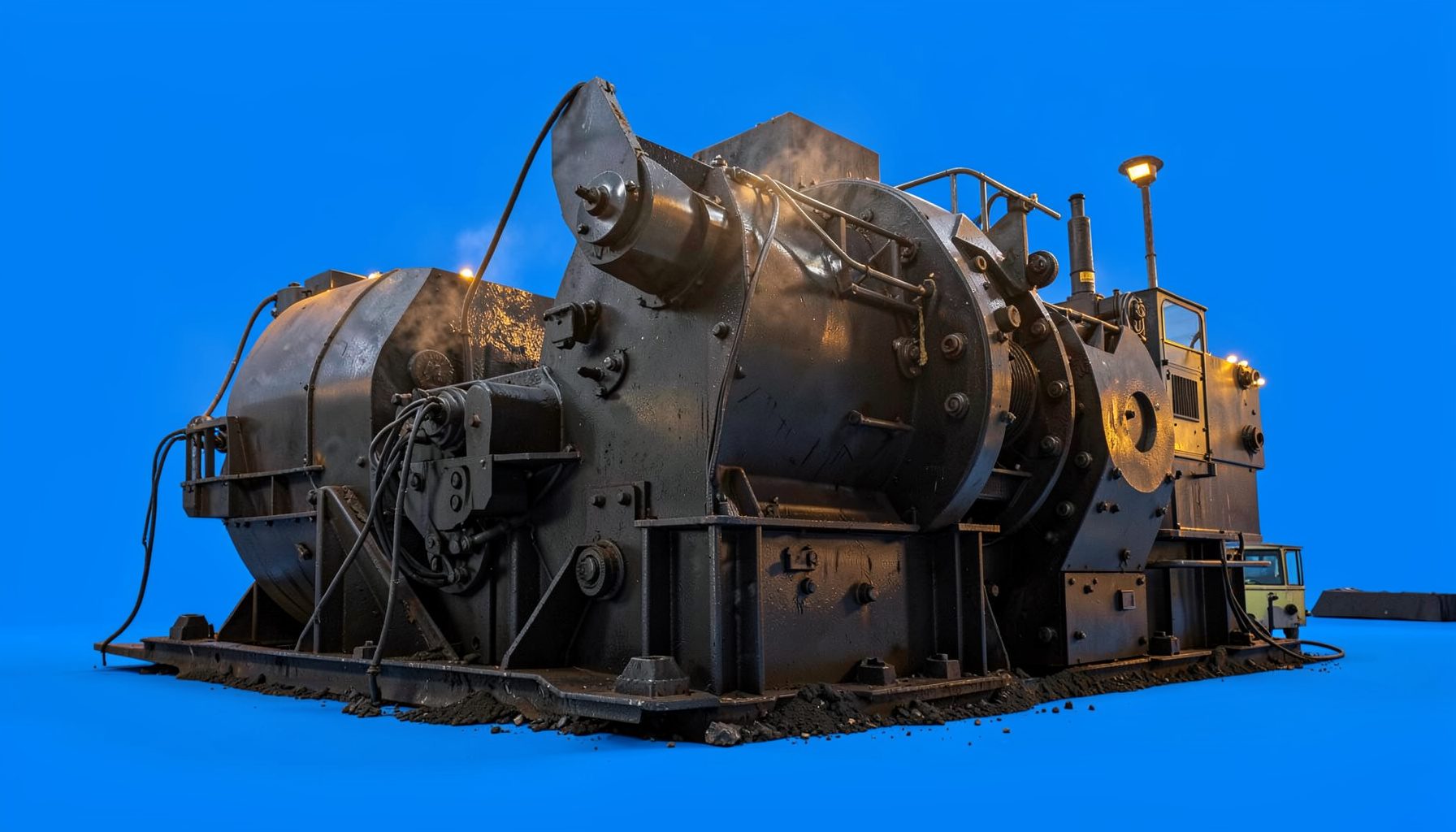
How a surge pile keeps grinding mill feed steady
A surge pile acts as a short-term buffer between crushing and grinding. Material discharged by the crusher is built into a pile, then drawn from the pile through a reclaim feeder at the rate required by the mill. This decouples two circuits that rarely stop for exactly the same reason: an upstream plant may be changing settings, clearing a blockage or completing a dump, while the grinding mill is expected to maintain its normal feed rate.
The value of this arrangement extends beyond extra storage. By matching drawdown to mill demand, a surge pile reduces feed pulsation, gives operators time to respond to a disturbance and can protect the grinding circuit from short crusher stoppages. It works best when the crushed product has a controlled top size and the pile is reclaimed in a stable, repeatable way.
| Feed arrangement | Buffering method | Operational strength | Main limitation |
|---|---|---|---|
| Open surge pile | Material is stacked on the ground and reclaimed through a controlled draw point | High capacity and simple gravity reclaim | Requires space and is affected by weather, dust and drainage |
| Enclosed surge bin | Material is stored in a hopper or vessel | Compact footprint and protected discharge | Lower capacity, additional gates and structural requirements |
| Blending stockpile | Material from several sources is combined and reclaimed | Can average variations in feed grade | Slower response and a larger footprint |
| Direct feed | The crusher feeds the mill without intermediate inventory | Simple layout and limited capital cost | Every upstream stoppage passes directly to the mill |
Why consistent mill feed matters
Grinding mills are sensitive to changes in feed rate, particle-size distribution, moisture and bulk density. A sudden surge can overload a feeder or drive mill power above its design limit, while an undersupplied mill may grind inefficiently and wear grinding media faster. Steady feed therefore supports predictable production, consistent product and a more stable downstream cyclone or classifier.
Steadiness also means matching the amount and character of material entering the mill. Oversize rocks cause repeated size reduction, while excessive fines can increase paste flow, complicate classification and raise power demand. If feed varies in moisture, the same feeder setting may deliver very different effective rates, so tonnes per hour alone does not fully describe the grinding load.
A surge pile cannot repair poor crushing or an unsuitable feed grade. It can buffer fluctuations, and a blending stockpile can combine selected streams, but the material must still meet the mill’s feed specification. Crushing, screening, stock-building and reclaim should therefore be treated as one linked system rather than isolated pieces of plant.
How a surge pile meters material
A typical open surge pile receives material on a conveyor and forms a cone at the discharge point. A slot or draw point at the base allows a belt or apron feeder to reclaim it by gravity. Because the pile contains several minutes or hours of usable inventory, the mill can continue drawing while the crusher is paused or its output changes.
An enclosed surge bin performs the same basic duty in a smaller footprint. It offers better weather protection and tighter discharge control, but requires suitable solids handling, access and foundations. Level indication, often paired with high- and low-level trips, can inform the crusher controls when to stop feeding or resume.
Feed control is usually more important than pile capacity alone. A variable-speed reclaim feeder can match a known mill rate, while high-level control prevents the pile from being buried by continuing crusher discharge. During commissioning, feeder direction, sensor set points, motor ratings and emergency stops should be checked against the approved arrangement; technical drawings can support review of equipment layouts and documentation.
Sizing the buffer for production
Buffer size should be based on the difference between the crusher’s variable supply and the mill’s steady demand. For a mill drawing 120 tonnes per hour, 30 minutes of uninterrupted draw represents 60 tonnes of net inventory before allowing for unusable material around the pile and the feeder’s operating reserve. The correct duration depends on realistic stoppages, not a round number selected from a drawing.
Australian plant data normally uses metric tonnes, cubic metres per hour and millimetres, so buffer calculations should not mix those units with short tons or inches. Before calculating capacity, operators should define the crusher’s normal and peak rates, the reclaim feeder’s maximum rate and the longest credible interruption. Published equipment information, such as a cone crusher range, can help teams compare feed settings and duties.
Where a cone crusher feeds a grinding mill, closed-side setting and screen aperture need to be translated into an agreed top-size target rather than treated as separate crusher values. Space can then dictate the solution. A large open pile needs level ground, separation from haul routes and room for mobile equipment, while an elevated bin needs structural support and safe maintenance access. Melbourne’s urban quarry and construction market often has less room for stockpiles, yet strict controls on noise, dust and truck movements can make a compact enclosed arrangement more practical.
Handling moisture, size and segregation
Moisture changes how a surge pile behaves. Wet fines may bind in the reclaim zone, stick to belts and alter the angle of repose; dry dusty material can segregate, with coarse rock rolling away from fines. Operators should watch the draw pattern as well as the indicated tonnage. A vibrating or apron reclaim feeder may suit some conditions better than a plain belt, and an enclosed bin may be justified where the material is especially wet.
Particle size must also remain within a manageable range for the reclaim equipment and mill. Grizzly bars, screens and crushers remove oversize, but a surge pile can disguise poor separation: coarse lumps may sit at the toe or emerge in concentrated slugs. Routine checks on crusher settings, screen condition and feed gradation help prevent a temporary buffer from becoming a hidden bottleneck.
If the mill begins surging, drawing power rises unevenly or the reclaim feeder trips, the cause may sit upstream rather than in the grinding mill. A practical cone crusher troubleshooting resource illustrates this wider diagnostic approach by linking crusher symptoms to settings, wear and material conditions. Staff should sample the pile at the reclaim point, record feed rate and compare the result with crusher and screen data before changing the mill.
Maintenance under Australian site conditions
Daily reliability depends on routine inspection. During the morning pre-start check, crews commonly examine belt tracking, apron-chain condition, drive guards, bearings, emergency stops and level sensors, then remove any build-up under the draw point. This habit is particularly important after rain, when sticky fines can conceal a loose fastener or block a gate. Lock-out and tag-out procedures must be applied before guards are opened or a feeder is cleared.
Those tasks sit within Australia’s model Work Health and Safety framework, which is implemented through state and territory laws and regulators such as SafeWork NSW, WorkSafe WA and WorkSafe Queensland. A surge pile introduces stored-energy, entanglement and crushing hazards, so isolation points, guards, access controls and documented competency are operational requirements rather than optional additions to the design.
Conditions around Perth and the Pilbara add another layer. Remote iron-ore sites often run fly-in, fly-out rosters and long travel distances, making clear defect reporting and maintenance access essential. Open piles are also exposed to intense heat, wind and the wet season; drainage, dust suppression and covered transfer points can be needed under state environmental approvals administered by Western Australia’s environmental regulator. In urban Melbourne and Sydney, dust, noise and runoff controls can be more restrictive, so monitoring and housekeeping must be planned with the relevant authority.
Integrating crushing, grinding and screening
In an integrated circuit, the sequence is often a primary crusher, screen, secondary or tertiary crusher, surge pile, reclaim feeder and grinding mill. Screens and crushers establish the feed specification; the surge pile controls short-term availability; the feeder meters the mill; and cyclones or classifiers direct the product onward. Each stage has a different duty, so the tonnage seen on an intermediate conveyor cannot by itself reveal whether the surge pile is filling or emptying.
Mobile crushing plants can be placed close to the quarry face, while fixed plants are often used where sustained feed, maintenance access and product handling are required. From its Shanghai base, Shanghai CME Mining and Construction Machinery Co., Ltd. supplies crushing and grinding equipment for quarrying, cement, mining and aggregate-processing operations. Its range includes jaw, cone and impact crushers, sand-making machines, vertical and trapezium mills, feeders, conveyors and mobile crushing plants, with equipment sold internationally.
Broader references on processing solutions can help operators compare how crushing, screening, washing and classification fit together. For Shanghai CME equipment, those comparisons should still be checked against the specified duty, local standards and site constraints. A well-proportioned buffer, supported by reliable level control and a reclaim feeder matched to the mill, keeps the crushing and grinding circuits commercially useful while preserving stable product quality.