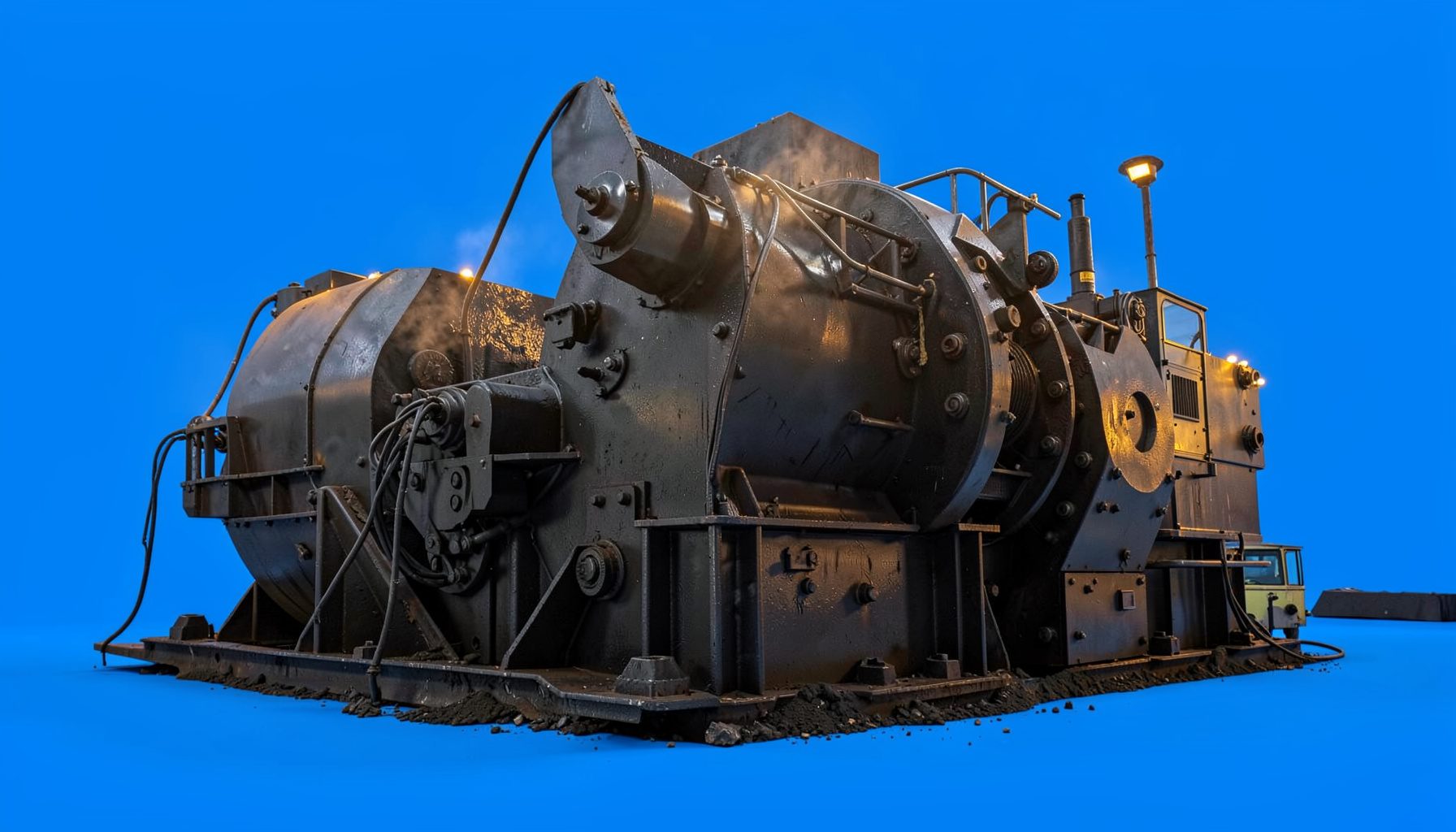
How to Troubleshoot Cone Crusher Issues on Site
Cone crushers are built for demanding secondary and tertiary crushing, but even a reliable machine can lose performance when feed conditions, lubrication, settings or hydraulics move outside the operating range. On an Australian quarry or mine site, a small change in moisture, rock hardness or liner condition can quickly affect throughput and product shape.
Learning how to troubleshoot common cone crusher issues on the job site starts with a safe, methodical inspection. The aim is to separate a genuine mechanical fault from an operating-condition problem, then confirm the cause with measurements rather than guessing. This approach suits fixed plants, tracked units and mobile crushing spreads used from the Pilbara to the Hunter Valley.
Start With Safety And A Clear Baseline
Before opening guards, checking the crushing chamber or reaching near the feed hopper, stop the plant and follow the site isolation procedure. Apply lockout and tagout, release stored hydraulic pressure, block components that could move and verify zero energy. A crusher may continue to coast after the motor stops, while a blocked chute can release rock without warning. Follow the site SWMS and the manufacturer’s service instructions rather than relying on a quick visual check.
Record the conditions that existed when the problem appeared. Note the feed rate, closed-side setting, motor load, oil temperature, oil pressure, discharge conveyor speed and product gradation. Compare those readings with the normal operating record for that machine. A cone crusher that is “running badly” may actually be responding to an overloaded screen, an uneven feeder or a sudden increase in wet clay.
For remote operations, early communication saves time. A quarry near Newman or a mine in Central Queensland may have limited access to specialist technicians and replacement parts. Send clear photographs, alarm codes, operating hours, liner measurements and oil data to the CME contact team before ordering components. This gives the service team useful evidence and reduces the risk of sending the wrong mantle, bowl liner or seal kit to site.
Check The Feed Before Blaming The Crusher
Uneven feed is one of the most common causes of poor cone crusher performance. The chamber should receive a steady, centred flow across its full crushing zone. A feeder that surges, a conveyor that loads one side or a blocked scalping screen can create localised wear and unstable power draw. Inspect the feed arrangement for bridging, segregation and oversize rocks entering from one side.
Feed gradation also matters. Excessive fines can fill the voids between larger particles, causing packing, high pressure and a drop in capacity. Oversize material can raise current draw, damage liners and trigger tramp-release events. Wet clay is especially troublesome after rain in Australian quarries, where material from a weathered face can stick to the hopper, belt and screen. Clean the upstream equipment and confirm that the crusher is receiving the size distribution specified for its chamber.
Product requirements may point to an upstream issue rather than a worn cone. If the circuit needs more manufactured sand, review the complete crushing and screening arrangement before simply tightening the crusher setting. The guidance on sand-making machines explains why feed characteristics, particle shape and final application should influence equipment selection. A cone crusher is only one part of a balanced aggregate circuit.
Use Oil And Pressure Readings As Evidence
Low oil pressure, rising oil temperature and unusual lubrication noise require immediate attention. Check the oil level, filter indicator, cooler, pump drive and return line. Inspect for leaks around hoses, fittings and the main shaft area. A blocked filter or failed cooler can restrict flow, while contaminated oil can damage bearings and bushings long before the fault becomes obvious.
Take an oil sample if the machine has operated hot, sounded rough or shown metallic debris in the filter. Water contamination may appear as cloudy oil, and fine metal particles can indicate internal wear. Do not mix grades or brands without checking the equipment manual. In hot areas around Port Hedland, prolonged ambient temperatures can push oil temperature higher, especially when the cooler is dusty or the fan is not operating correctly.
Modern plants benefit from trend monitoring rather than isolated readings. A gradual rise in bearing temperature or motor power is often more useful than a single alarm. Optical monitoring tools can complement conventional gauges where a site is building a broader condition-monitoring programme, although any technology must be configured for the crusher and validated against reliable maintenance data.
| Symptom on site | Likely causes | Checks to make | Corrective action |
|---|---|---|---|
| Low throughput | Poor feed distribution, packed chamber, incorrect setting, worn liners | Inspect feeder, chamber and product size | Restore centred feed, clear packing and verify the setting |
| High motor current | Oversize feed, tight setting, tramp material, wet fines | Review power trend and inspect feed | Remove obstruction, adjust feed and confirm CSS |
| Coarse or inconsistent product | Uneven feed, worn liner profile, unstable hydraulics | Measure product and inspect liners | Rebalance feed, replace worn parts or repair hydraulics |
| High oil temperature | Dirty cooler, low oil level, restricted flow, hot bearings | Check cooler, filter, level and sample | Clean, refill with approved oil and investigate contamination |
| Excessive vibration | Unbalanced feed, loose mounting, damaged bearing, packing | Inspect supports and listen for noise | Isolate, tighten or repair only after the cause is confirmed |
| Frequent tramp release | Metal in feed, faulty relief setting, chamber overload | Inspect magnet and relief system | Improve metal removal and test the hydraulic circuit |
Investigate Hydraulics And Electrical Controls
A hydraulic cone crusher may show an incorrect setting, repeated bowl movement or frequent overload protection when the issue lies in the hydraulic circuit. Check accumulator pressure, relief-valve behaviour, hoses, cylinder seals and sensor connections according to the manufacturer’s procedure. A slow pressure loss can cause the setting to drift, producing a changing product size during the shift.
Tramp-release systems need particular care. If metal enters the chamber, the system should relieve pressure and allow the object to pass or be removed. Repeated activation usually means the feed contains steel, the chamber is overloaded or the relief system is incorrectly adjusted. Inspect upstream magnetic separators and metal detectors, particularly on recycled aggregate sites where reinforcing bar and wire can arrive with the feed.
Electrical faults can look mechanical. A loose termination, failing motor starter, faulty proximity switch or damaged cable may cause intermittent trips. Check the event log and compare the alarm timing with feeder, screen and conveyor operation. If the crusher trips whenever the discharge conveyor slows, investigate interlocks and downstream material build-up instead of repeatedly resetting the motor.
Mineral-processing plants often use automatic control to stabilise flow, level and pressure. The same discipline used in other circuits, including dart valve control, is relevant here: verify that the sensor reading reflects the real process condition before changing a control setting. A faulty level or pressure signal can make a healthy crusher appear unstable.
Read Wear Patterns And Vibration
Liner wear should be even around the crushing chamber. A thick section at one side, a sharp step or accelerated wear near the feed opening often indicates segregation or off-centre loading. Measure mantle and bowl liner profiles at scheduled intervals rather than waiting until the product becomes unacceptable. Running beyond the recommended wear limit can reduce capacity, increase power demand and expose expensive internal components.
When vibration rises, first look for simple external causes: loose foundation bolts, a damaged guard, material packed around the eccentric, a bent support or a conveyor transferring impact into the crusher structure. Then listen for changes in bearing noise and compare vibration readings across the drive, frame and top assembly. Sudden vibration, unusual knocking or a rapid temperature increase is a reason to stop and isolate the machine.
A mobile plant adds more possible sources of movement. Check that the unit is level, stabilised and positioned on suitable ground. On a temporary crushing spread in regional New South Wales, a settling pad or changing ground condition can alter alignment during a shift. Inspect chassis supports and discharge clearances before assuming the crusher itself has failed.
Restore Stable Operation With Measured Changes
Once the cause is known, change one variable at a time. If the chamber is packing, reduce the feed rate, clear the blockage safely and check moisture and fines. If the product is too coarse, verify the actual closed-side setting and liner condition before making a major adjustment. Record the result after the crusher reaches a stable operating temperature; a cold start reading may not represent normal performance.
Operators should watch the relationship between feed rate, power draw, pressure, oil temperature and product size. A practical Australian shift handover includes the last liner measurement, the number of tramp events, recent weather, stockpile changes and any maintenance performed during the arvo. This information helps the next crew spot a trend instead of treating each alarm as a separate incident.
Good spares planning is especially important when equipment operates far from a major service centre. Keep approved filters, seals, sensors, relief-system components and commonly used wear parts available according to the machine’s maintenance history. For a broader view of equipment selection and plant configuration, review the manufacturer’s processing solutions alongside the specific crusher manual.
Build Troubleshooting Into Routine Maintenance
A short daily inspection can prevent a long shutdown. Check oil level and temperature, hydraulic pressure, abnormal noise, feed alignment, discharge flow and visible leaks. Inspect the crusher after storms, blast changes or a new quarry face is opened, because these events can alter feed size and moisture. Keep a simple trend sheet or digital log that records readings at the same point in each shift.
Planned maintenance should include oil analysis, filter inspection, vibration checks, liner measurements, torque verification and calibration of pressure and temperature sensors. Review recurring faults by frequency and operating hours. Three minor overload trips in a week may indicate a feed-control problem that deserves attention before a fourth event damages the eccentric or drive components.
The most effective site response combines operator experience with disciplined evidence. A crusher that is fed evenly, lubricated correctly, protected from tramp metal and monitored through changing conditions will give more consistent aggregate and longer component life. When readings point to internal damage or the required repair exceeds site capability, keep the machine isolated and escalate with complete records rather than returning it to service on assumption.