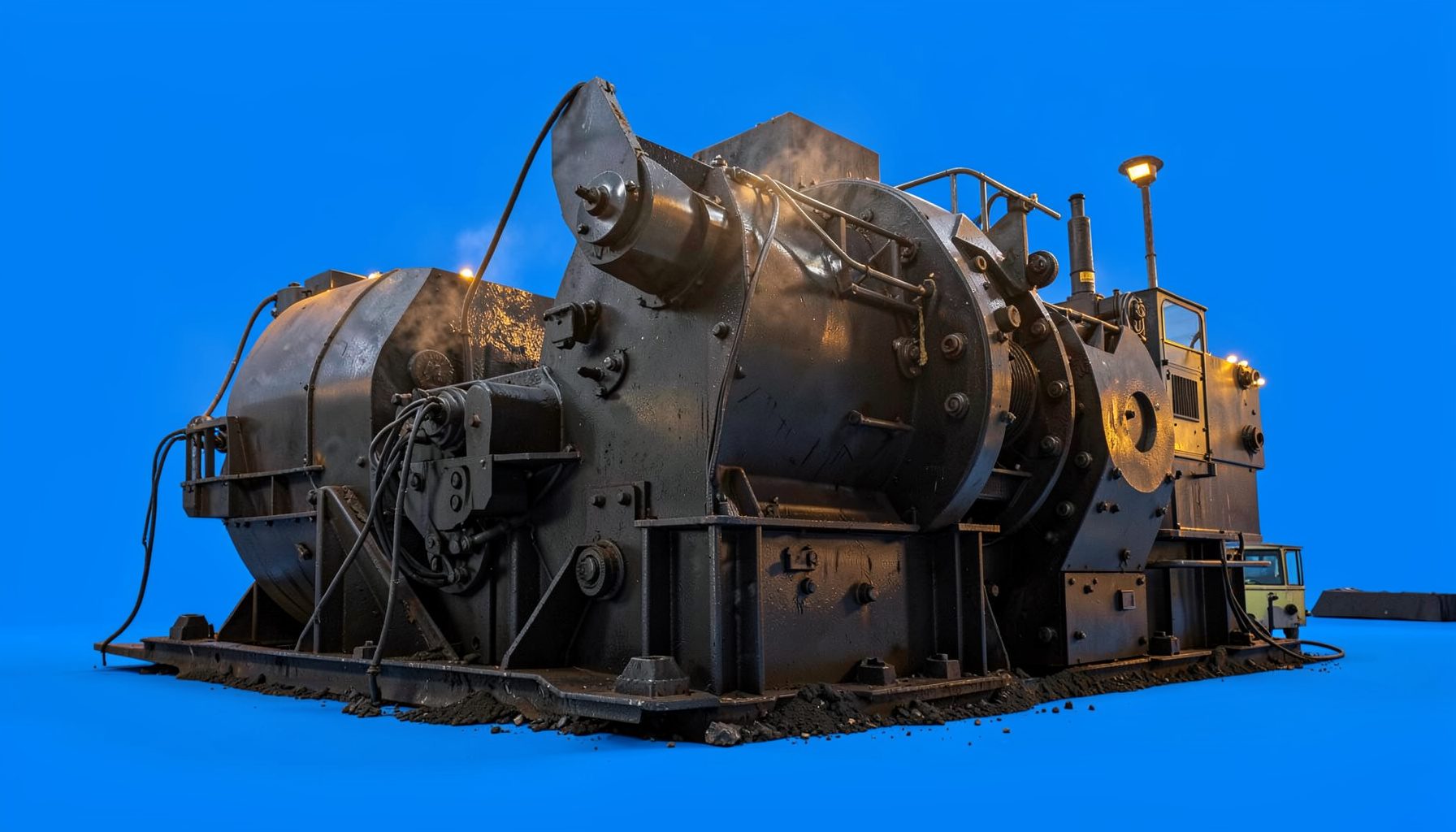
Magnetic tramp iron control in crushing plants
Crushing plants are designed for rock, aggregate and ore, yet quarries and mines routinely introduce unwanted metal. Bolts, drill components, wire, tools and vehicle parts can enter run-of-mine feed through a hopper, feeder or conveyor. If a piece reaches a jaw, cone or impact crusher, local stress can crack liners, damage shafts, deform guards and turn a routine shift into an unplanned shutdown. Ferrous debris also creates hazards for screens, mills, belts and maintenance crews.
Effective control starts before valuable crushing surfaces are exposed to excessive stress. This makes tramp iron removal in crushing plants with magnets a frontline risk control rather than an optional accessory. Suspended, over-belt and cross-belt separators can lift steel from moving rock while allowing clean material to continue. Magnetic protection complements disciplined loading, pre-start checks and separate detection systems for non-ferrous metals; it cannot perform every inspection function on its own.
How stray metal reaches crushing equipment
Metal can be present in blasted rock, crusher feed, stockpiles or material returned from screening. Maintenance steel is a frequent source, but field items also include lifting pins, grate bars, fasteners and reinforcement captured during drilling or blasting. A loader can scoop up buried steel near a run-of-mine pad, while a mobile crusher may pick up site debris during pipeline and road work. Once a loose item is smaller than the crusher setting, it may pass the first chamber and cause secondary damage farther down the line.
Several magnetic arrangements suit different parts of the material route:
| Magnetic arrangement | Best position | Main advantage | Main limitation |
|---|---|---|---|
| Over-belt magnet | Above a belt carrying primary feed | Continuous removal before crushing | Needs vertical clearance and a clean belt path |
| Suspended magnet | Over a crusher or transfer point | Handles bulky, irregular steel | Swing and belt geometry affect pickup |
| Cross-belt magnet | Beside a main conveyor | Carries captured metal to a safe bin | More space and a discharge chute are required |
| Drum magnet | At a belt head or pulley | Compact and useful for smaller fragments | Lower force for large or deeply buried steel |
A steel item does not need to be large to cause trouble. A short bolt can wedge between liner and mantle, and a thin plate can fold around a shaft before failing. The separator should therefore be sized for the smallest credible tramp that could cause serious damage, while the release point must prevent retained steel from falling back into the product stream.
Selecting the safest interception point
A primary jaw crusher is often the logical first line of defence because protecting its chamber and feeder reduces the likelihood of damage to later equipment. An over-belt unit can sit above the incoming conveyor, with its lower face close enough to the conveyed rock for reliable pickup. At transfer points, a suspended magnet gives operators a visible collection zone and can be adjusted as feed conditions change. Screening before separation may improve access, but it also adds capital, footprint and another maintenance point.
Mobile crushing plants need a layout that tolerates shock, vibration, dust and frequent relocations. The conveyor under an over-belt magnet must remain tensioned, because belt sag changes the effective gap and reduces force. Cross-belt systems are useful where the main conveyor has little side clearance or where captured steel must travel away from the crusher. Independent observations on plant protection solutions can help during layout reviews, but the installed arrangement must still be checked against the actual crusher and belt.
Matching magnet performance to quarry duty
Magnet selection begins with feed dimensions, tramp-metal length, belt loading and required capture distance. Ceramic magnets suit many moderate duties at lower cost, while rare-earth magnets provide higher holding force where pieces are small, deeply buried or moving quickly. Catalogue force alone is not a guarantee: magnet strength falls sharply as the gap increases, and plate orientation, thickness, belt speed, contamination and vibration all affect pickup. Large equipment should be tested with representative steel rather than judged by peak laboratory readings.
Environmental conditions can restrict the choice. Water, salt, chemical wash water, heat and abrasive dust affect housings, belts and sensors differently, so materials and sealing must suit the installation. Rare-earth assemblies may need thermal buffers in hot plants, and exposed electrical components require suitable protection. Durable printed identification materials from Printform Technologies can also support maintenance by keeping magnet polarity, warning labels and equipment numbers visible after heavy dust and repeated clean-downs.
Australian conditions and compliance responsibilities
The Australian market includes remote iron-ore operations in the Pilbara north-west of Perth, where FIFO crews, long supply lines and extended travel between installations shape maintenance planning. Red dust, high ambient temperatures and scarce local workshop support make preventive checks especially valuable. Pre-start routines before the first production truck, component naming in field-ready English, and access to critical spares can matter as much as the original purchase price. A seal or belt failure discovered during a scheduled flight is difficult to correct.
Aggregate plants around Melbourne, Sydney, Brisbane and Adelaide face a different feed risk. Road-truck movements, concrete recycling, site clearance and public access can introduce rebar, wire and manhole covers into mobile or secondary crushers. Urban operations also work close to traffic and communities, so a blocked chute or ejected object has consequences beyond production. The Australian equipment market regularly combines imported machinery with local fabrication and service, making commissioning support, manuals and parts availability important purchasing criteria.
No magnet makes a plant compliant by itself. Operators must apply the relevant state work health and safety law, Safe Work Australia guidance and applicable standards, including guarding requirements in the AS 2550 series and electrical provisions under AS/NZS 3000 where relevant. Risk controls should address foreseeable dropped objects, stored energy, access to chutes and emergency procedures. Published crusher maintenance resources can support task preparation, but competent local personnel remain responsible for site-specific controls, isolation and record keeping.
Keeping the separator inspection-ready
Inspection frequency should follow risk, operating hours and site procedures. Crews need to check the magnet-to-belt gap, belt tracking, scraper contact, collection chute and electrical condition, then look for trapped metal that indicates a missed pickup. A dirty or damaged scraper can allow steel to travel back onto the belt, while water and fines around a drum magnet can conceal small fragments. Condition monitoring and high-level trips are useful, yet they should not replace a physical inspection by a trained person.
Tramp iron can lodge behind liners, guards, pulleys and conveyor skirts, so inspection access must be included when the crusher line is designed. Lockout or isolation controls should prevent unexpected energisation during cleaning, and collected steel should be discharged into a stable location away from personnel and moving belts. If non-ferrous debris is a significant concern, such as aluminium or copper, magnetic separation needs a complementary detector or picking control; a strong magnet will not attract every metal.
Integrating protection across CME crushing systems
Shanghai CME Mining and Construction Machinery Co., Ltd. supplies jaw, cone and impact crushers, sand-making machines, vertical mills, trapezium mills, vibrating feeders, conveyors, washing equipment and mobile crushing plants. Protection is easier to engineer when magnet selection, feeder sizing, belt speed, screen configuration and chute design are considered together. The same principle applies whether a line processes Pilbara iron ore, quarry aggregate in regional Australia or recycled material in a city recycling yard.
For cone-based circuits, symptoms such as uneven product, rising vibration or excessive pressure can arise from feed problems, wrong liner choice, insufficient lubrication or metal damage. A useful field reference on cone crusher troubleshooting helps crews separate operating faults from upstream contamination, although diagnosis still needs measurements from the installed machine. Interceptors should be arranged so steel is removed before secondary crushing, while access remains clear for liner, feeder and conveyor maintenance.
A coordinated magnetic system gives CME equipment a cleaner feed and protects wear parts across the crushing, screening, washing and grinding stages. It also supports safer maintenance by reducing the chance that hidden steel will be discovered inside a crusher chamber. Specifications should reflect Australian feed characteristics, conveyor conditions, duty hours and compliance duties, with clear responsibilities for installation, testing and ongoing inspection from the Shanghai headquarters to the local operating team.