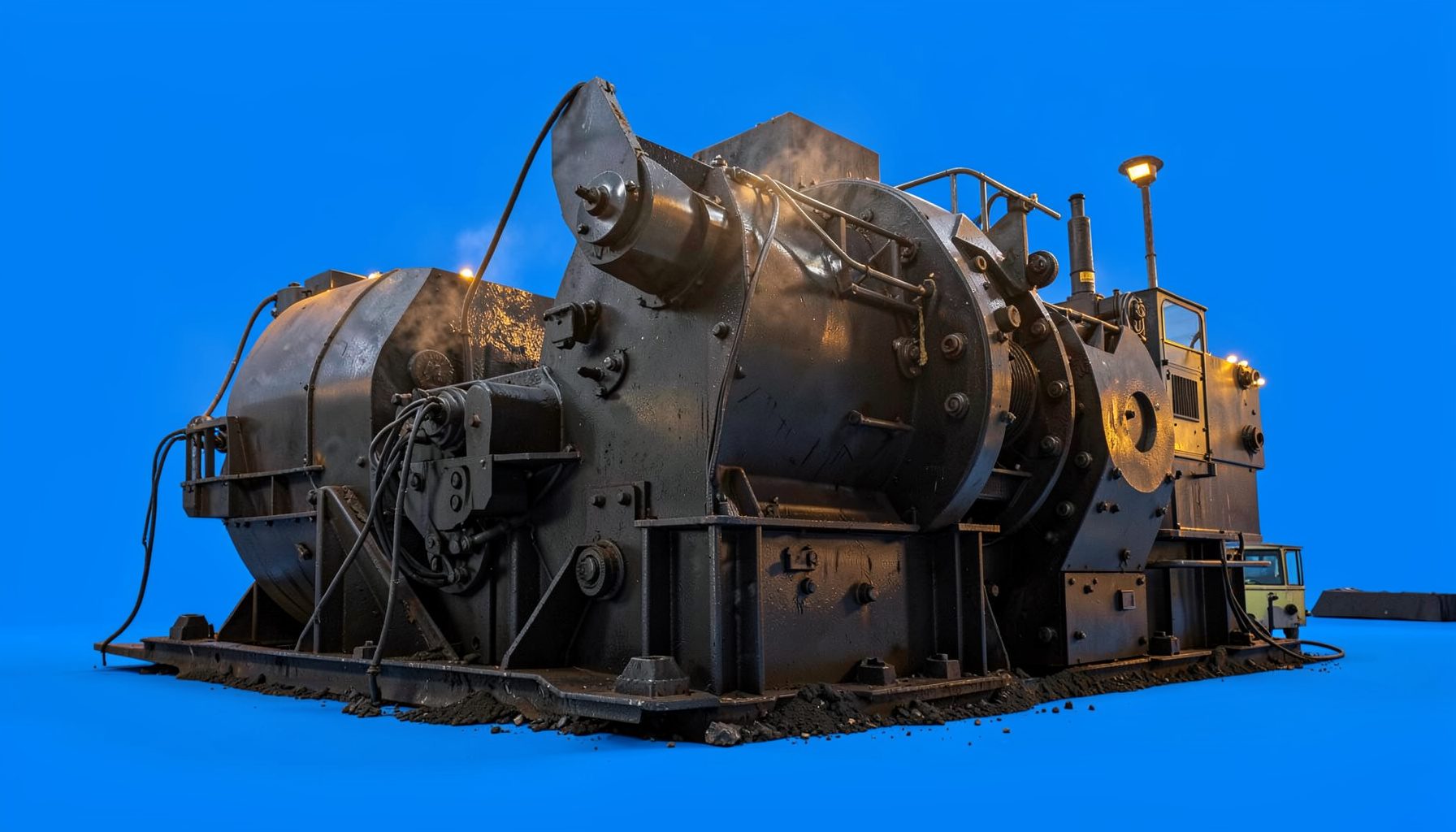
Better feed distribution for more consistent crusher output
Feed distribution is the way broken rock enters a crusher: its rate, size mix, moisture, trajectory, and spread across the crushing chamber. A correctly sized crusher can still lose output when feed arrives in surges, runs down one side, or floods the chamber with material. For Shanghai CME Mining and Construction Machinery Co., Ltd., the feeder and hopper are therefore part of the crushing system, not accessories added after the crusher is chosen.
A steady, centred stream lets the machine work with a fuller chamber, maintains a stable closed side setting and gives operators predictable tonnes per hour. Uneven feed increases power draw, promotes liner and hammer wear, creates excessive fines, and can leave oversize pieces in the product. The effect is especially costly when the crusher feeds a vertical mill, trapezium mill, washing circuit, or aggregate stockpile with tight specifications.
This guide explains how feed distribution affects crusher performance, how to recognise poor distribution on an Australian site, and how to correct it through feeder selection, hopper design, and operating discipline. The practical aim is to make every tonne receive the intended treatment rather than simply pushing more material through the machine.
Why uneven feed distribution reduces crusher performance
Feed rate and feed distribution are related but different. Feed rate is the mass entering over time; distribution describes where and how evenly that mass lands. A belt can deliver 200 tonnes per hour while placing the entire stream against one wall, so the average rate may look correct even though the crusher is starved on the opposite side.
A full cavity is the basis of efficient compression crushing. When feed is centred, the jaw or cone can maintain its gap, apply break forces through the rock, and reject material after a consistent reduction. A side-loaded stream causes asymmetric wear, reduces the effective opening, and may let fines escape without being broken. Gyratory movement and motor loading also become less even as the chamber alternately empties and floods.
The consequences depend on the crusher. A jaw crusher generally tolerates a wider feed-size range but needs grizzly or scalping control to avoid fines entering the working chamber. Cone crushers rely on a level, choke-fed pocket and an even layer. Impact crushers need controlled feed because their high-speed clearance is sensitive to top size and gradation. Engineers can use crusher configuration information to check how chamber design and feed size affect these requirements.
Diagnosing feed problems on Australian sites
Australian conditions make feed control easy to neglect. In the Pilbara, a mobile crushing plant may receive run-of-mine ore from several loader trucks, while Hunter Valley coal operations may draw material from multiple stockpiles. Road-train schedules, shift changes, and stockpile segregation can produce a stream that changes every few minutes, even when the primary belt’s rated capacity is never exceeded.
Start at the source. Watch the loading face and reclaim draw points, then inspect the feed hopper for a high or low material line, uneven draw, and material building on the walls. Check that the grizzly, feeder, and conveyor are centred under the loading point. Australian crews know the value of “choking the crusher” and keeping the belt loaded, but a full belt only proves that material is moving—not that it is distributed properly across the crusher feed.
Use measurements rather than appearance alone. Record belt loading, feeder current, crusher power, cavity position, setting, tonnes per hour, and product gradation during steady production. A camera at the hopper can reveal a wandering stream, and periodic cuts of the product can show where oversized or undersized material is coming from. The broader equipment product information can help teams review the feeder, conveyor, and crusher as a connected material-handling arrangement rather than isolated purchases.
Selecting a feeder and hopper that deliver a stable stream
The feeder should match the material and required control. Vibrating feeders suit many crushing duties and can work with a grizzly to separate fines from crusher feed. Reciprocating feeders suit applications needing a controlled, positive draw, especially where a stockpile is reclaimed intermittently. Apron feeders are another common choice for heavy run-of-mine material because they resist impact and carry coarse lumps. Published feeder selection guidance offers a useful comparison of reciprocating and vibrating units before equipment is specified.
| Feed condition | Common distribution problem | Suitable feeding response | Crusher-side check |
|---|---|---|---|
| Run-of-mine ore with coarse lumps and fines | Surges, bouncing, and fines bypassing the feed chamber | Vibrating grizzly feeder with controlled hopper draw | Cavity fill, belt loading, and power draw |
| Reclaimed material from a segregated stockpile | Intermittent flow and changing coarse-to-fine ratios | Controlled reclaim feeder with even draw points | Stream position and product gradation |
| Wet, sticky material | Build-up, bridging, and restricted openings | Heated or cleaned chutes, suitable feeder pans, and accurate moisture control | Feed consistency and liner condition |
| Mobile plant receiving loader or truck feed | Impact shocks and material moving toward one side | Reinforced hopper, impact baffles, and centred loading | Hopper alignment and feed-rate stability |
The hopper and chute complete the distribution system. Internal baffles, a central loading box, correctly sized access points, and adjustable flow-control plates can prevent material from arriving off-centre. Walls should be steep enough to let the feed move rather than hang up, and the hopper outlet must match the feeder’s effective width. For a cone crusher, a stable material level and a controlled pocket are more valuable than a momentary surge.
Conveyor loading needs equal attention. A skewed or misaligned belt throws its stream to one side and can compound an offset hopper. On mobile plants, inspect the support frame after travel, track wear, and make sure hydraulic levelling and feed controls are not left in a position that redirects material. On fixed quarry lines, synchronise feeder speed with belt loading and crusher demand so that the system supplies a dense but metered layer.
Correcting common causes of uneven crusher feed
Uneven reclaim is often the first fault to correct. A stockpile cone can funnel coarse rock to the centre while fines sit around the perimeter; reclaiming through a single low point can then create pulsation and segregation. Reclaiming across several controlled draw points, or using a reclaim feeder with an even apron profile, helps maintain a continuous output. The aim is to avoid a high-pressure draw that empties the stockpile faster than fines can settle.
Hopper geometry can either correct or create a problem. Feed entering at an angle tends to run toward the nearest wall, especially when the material is wet or contains a high proportion of fines. Internal wear liners and impact plates should direct the stream into the middle without causing excessive secondary breakage. On an impact crusher, for example, feeding the full width evenly supports uniform particle shape and reduces uneven wear on the hammer rows.
Wet fines and sticky blends need a different response. Build-up on feeder pans, chute sides, and grizzly bars can change the effective opening with no obvious mechanical failure. Operators can minimise this by keeping drains clear, maintaining the designed moisture condition, and cleaning during scheduled stops rather than allowing a hard layer to form. It is also important to separate stockpiles that are likely to blend differently; a constant feed rate cannot repair a feed whose size and moisture content continually change.
Measuring and sustaining improved crusher performance
Establish a baseline before altering the system. Record feed rate, crusher setting, power draw, product size distribution, fines content, and hourly output over a representative shift. Add visual checks of hopper level, stream position, and chamber fill. Measurements should be taken only when the plant is running steadily, because a short surge can make the best system look inconsistent and the worst system look acceptable.
Then change one variable at a time. Centre the feed, adjust the feeder or reclaim point, alter conveyor alignment, and observe the result through several operating cycles. A small improvement in cavity fill may allow a lower closed side setting, greater tonnes per hour, or better recovery from an undersize fraction, but only if the product specification and downstream plant can accept it. Trial sheets should record every setting so the best result can be repeated during the next shift or after a maintenance outage.
Feed control also depends on maintenance and operator handover. Include grizzly bars, feeder pans, chute liners, belt tracking, hopper baffles, and sensor calibration in routine inspections. Keep isolation procedures and exclusion zones around feed openings, and never rely on a feed adjustment to solve a structural problem in a worn chute or misaligned conveyor. The strongest plants treat feed distribution as a measured operating variable, the same way they manage crusher setting, throughput, and product quality.