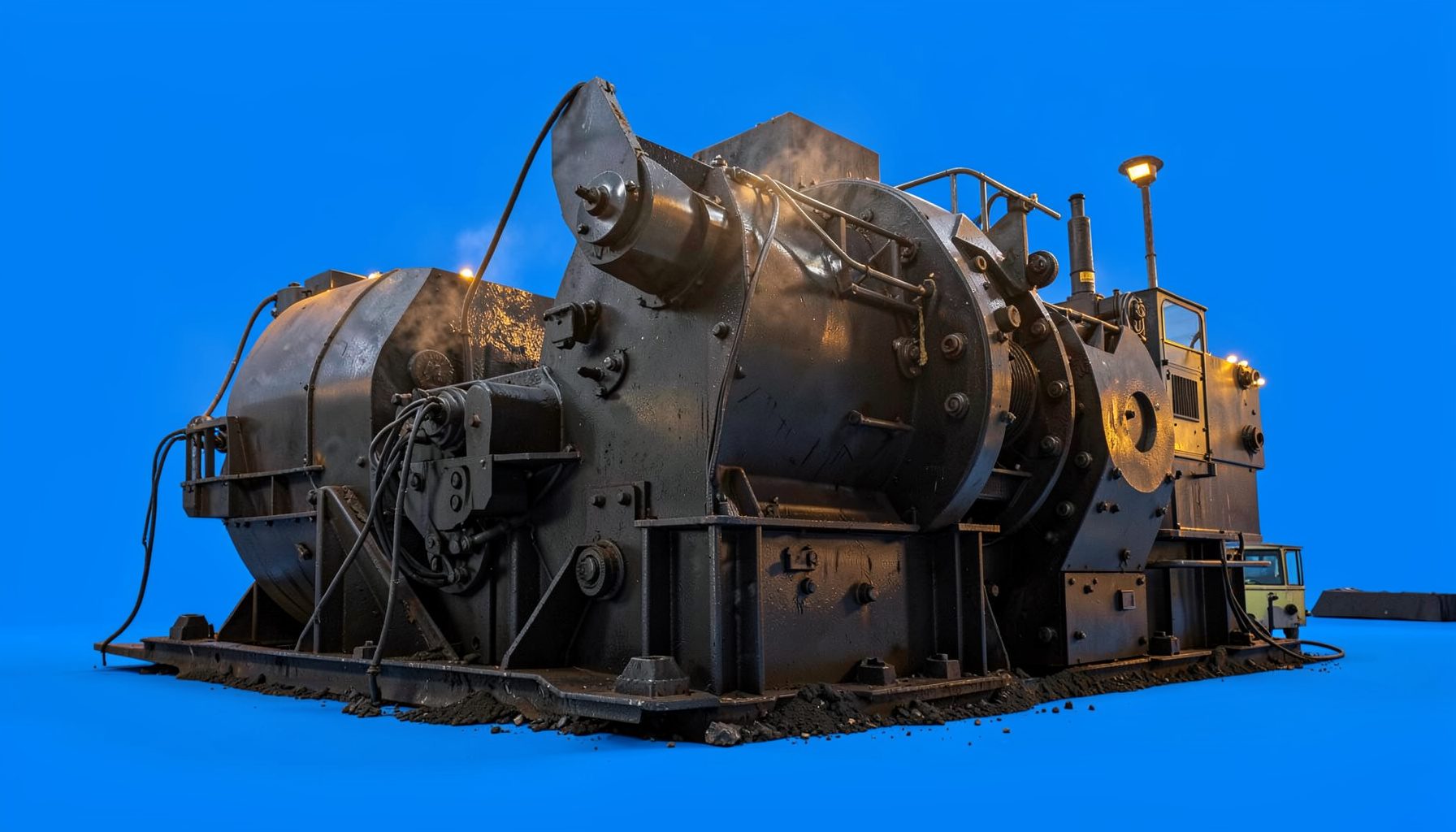
The benefits of a closed-loop washing system for aggregate production
Aggregate producers in Australia are under pressure to supply clean, consistent sand while using less fresh water and managing the fines that normally accompany crushing. A closed-loop washing system addresses both jobs: wash water is reused through the process, and separated clay and silt are concentrated for controlled removal rather than carried away with every litre of effluent. The result can be a cleaner product, steadier moisture and a more efficient use of water.
Shanghai CME Mining and Construction Machinery Co., Ltd. supplies crushing, screening, sand-making, feeding and conveying equipment for quarrying, cement, mining and aggregate processing. Its range includes jaw, cone and impact crushers, sand-making machines, vertical mills, trapezium mills, vibrating feeders, conveyors and mobile crushing plants. These machines can be combined into a washing installation, with product information and Shanghai headquarters contact details available for international projects.
How a recirculating wash plant works
A closed-loop washing system routes water from the sand washer or washing classifier into a settling area, then pumps the clarified water back to the washing point. A dewatering screen removes surplus moisture from the finished aggregate before it is stockpiled. Only the water retained in the product, water lost through evaporation and residual sludge leave the main circuit, so the plant uses a smaller fresh-water top-up than a single-pass arrangement.
In a typical aggregate washing plant, a feeder and crusher begin the process, followed by screening and a sand-making machine. Water then separates fine particles from the aggregate, while pumps, valves and pipelines control the flow through the recovery tank and back to the washer. Shanghai CME equipment can form the crushing and material-handling portion of this installation, with conveyors moving feed and washed product between stages.
The circuit works best when solids are removed before the water is reused. Crushing can create rock flour that becomes troublesome clay-like material after wetting, so upstream fines control reduces the load on the washing system. Sound fines reduction methods help operators identify where crushing and screening are generating excess fines. A settling or thickening stage then concentrates the remaining sludge for routine removal.
Cleaner sand and steadier moisture
For consumers, the main benefit is aggregate that meets the agreed specification without a high proportion of unwanted fines. Removing clay, silt and rock flour from washed sand improves grading consistency and helps concrete producers achieve predictable workability. For road builders, cleaner aggregate also supports more reliable compaction and reduces the risk of soft patches associated with contaminants.
Consistent moisture is equally valuable. A dewatering screen and properly adjusted stockpile drainage prevent washed sand from reaching the loader excessively wet, while controlled sprinklers can suppress dust during dry weather. That balance matters in places such as Adelaide and inland New South Wales, where hot, dry summers can turn a damp stockpile into a dust source within hours.
Cleaner equipment rooms and wash areas also make inspection easier and reduce build-up around bearings, gearboxes and electrical fittings. Many Australian crews check sprays, loader wheels and loading points before the first haulage run, with clean-down water directed to the settling system. Portable equipment from suppliers such as Aeg Power Tools can support this work, provided it is used with the plant isolated and suitable guarding in place.
Water savings and sediment control
Fresh water is a scarce operating resource in many Australian quarrying regions. Sites around Perth, Melbourne and Sydney increasingly compete with households, agriculture and industrial users for reliable supplies, and drought restrictions can affect operating plans. Recirculating wash water reduces the volume that must be extracted or purchased, provided the recovery tank accommodates the water held during shutdowns and the plant is well maintained.
The loop still needs active sediment control. If fine clay is returned to the washer, it can settle in pipelines, obscure screens and reduce classification accuracy. Operators therefore monitor clarity, flow and pressure, remove settled solids and maintain enough storage for peak production. The liquid circuit should be separated from heavily silted water so clean reclaimed water is not continually diluted by fresh batches of wash effluent.
Internal reuse does not automatically authorise a discharge. In New South Wales, extraction and any sewer, stormwater or trade-waste discharge must be checked against the Water Management Act 2019 and applicable EPA licence conditions; other states use different approval frameworks. A site with limited discharge options may value recirculation even more, since the residual sludge still requires an approved handling route.
Lower costs and higher recovery
The business case is based on more than water savings. Recovering clean sand that would otherwise leave with the wash stream increases saleable output, while lower bulk liquid discharge can reduce handling and disposal costs. A quarry supplying concrete batching plants around Melbourne or road projects near Brisbane can compare truckload yield as well as production cost per tonne. Higher recovery is valuable only when the extra product satisfies the buyer’s specification.
Crusher choice has a direct effect on that calculation. A comparison of gyratory versus cone crushers helps engineers match capacity to the feed, but the final decision also depends on hardness, wear and the desired product shape. A crusher that is oversized or poorly matched can create unnecessary fines, adding washing work and reducing recovery. This is an operating issue as much as a purchase-price issue.
Cost modelling should include pumps, settling equipment, electrical control, maintenance, wear parts and the labour required to inspect the water circuit. Once these inputs are included, recirculating washing can be compared with once-through washing on a consistent basis. The best results come when washer capacity, screen area and classifier performance are matched to the crusher rather than added after commissioning exposes a bottleneck.
Matching crushing and washing equipment
Aggregate plants should define the required gradation before arranging a washing circuit. Jaw crushers commonly handle primary feed, while cone or impact crushers can develop the desired product and screens control the size fractions sent to the sand maker. A closed aggregate circuit—where crushed material returns to the screen for further sizing—should not be confused with a closed water loop. One controls product size; the other controls water movement.
Equipment selection must also reflect the material. Abrasion and clay content influence crusher wear and the amount of washing required, while weak rock may need careful feeder control to prevent inconsistent loads. Vertical mills and trapezium mills are relevant where the customer requires a fine mineral powder rather than conventional washed sand, so their inclusion depends on the final specification. A larger washer cannot compensate for an unstable feed.
Mobile crushing plants suit temporary quarry, borrow-pit and infrastructure work where equipment must move between sites. However, a temporary installation still needs a water balance, sediment control and an approved discharge method; a mobile crusher alone does not create a closed-loop washing system. For larger fixed operations, a modular plant can allow screening, washing and dewatering to be installed in stages as production expands.
Reliable operation and maintenance discipline
Reliability depends on treating the water system as part of the crushing plant. Pump seals and impellers, pipe joints, spray nozzles, screen panels and classifier settings all influence recovery. A blocked spray or worn screen panel changes particle separation, so inspection intervals should reflect the hours run and the material processed. Keeping a simple log of flows, pressures and product moisture helps operators detect gradual drift before the sand falls outside specification.
Impact crushers are particularly sensitive to uneven loading, and vibration or a sudden change in gradation can indicate imbalance or worn components. A technical overview of rotor balance corrections provides useful background when assessing that fault, although the plant manual and site procedures remain the authority for safe adjustment. Balancing work should never be attempted while the rotor is moving.
Training matters because a clean sand result depends on consistent settings as well as capable machines. Operators should know when to change water flow, clean the settling area, replace a screen panel or divert material. Baseline samples taken at startup provide a reference for later troubleshooting. These habits reduce water loss, unnecessary chemical use and stoppages, while protecting product consistency and the return on the installed equipment.
Standards, commissioning and local requirements
Australian buyers may require test results as well as a visual assessment of clean sand. Relevant parts of AS 1141 cover methods of testing and sampling aggregates, while AS 1725 provides a basis for mineralogical assessment of sands where the specification requires it. Contract documents can add limits for fines, clay, moisture and grading. A washing supplier should therefore document sampling points, test methods and the customer specification rather than describe every product simply as washed.
Commissioning should begin with a water balance and a baseline for tonnes per hour, fresh-water use, recovered product and residual solids. The team can then measure performance under steady production and record adjustments to pumps, screens and classifiers. Shanghai CME’s crushing, sand-making, feeding and conveying equipment can be matched to the required capacity, with product information and Shanghai headquarters contact details supporting international procurement for quarry, cement, mining and aggregate projects.
The following comparison shows the principal operating trade-offs:
| Consideration | Closed-loop washing | Once-through washing |
|---|---|---|
| Fresh water | Lower demand once recirculation is established | Higher demand for equivalent washing |
| Saleable recovery | Better separation can protect sand yield | Some fines leave with the wash water |
| Liquid handling | More pumping, settling and control required | Simpler flow but more liquid to manage |
| Residuals | Sludge is concentrated for planned removal | More dispersed solids require disposal |
| Moisture control | Easier to stabilise with screens and drainage | Can vary with feed and discharge settings |
| Cost profile | Added equipment, potentially lower unit cost | Simpler setup, higher water and disposal demand |
The strongest case for recirculating wash water is a plant that controls separation, handles its residual solids and protects the value of every recovered tonne. Connecting product quality with water discipline turns both into measurable operating gains rather than separate maintenance burdens.