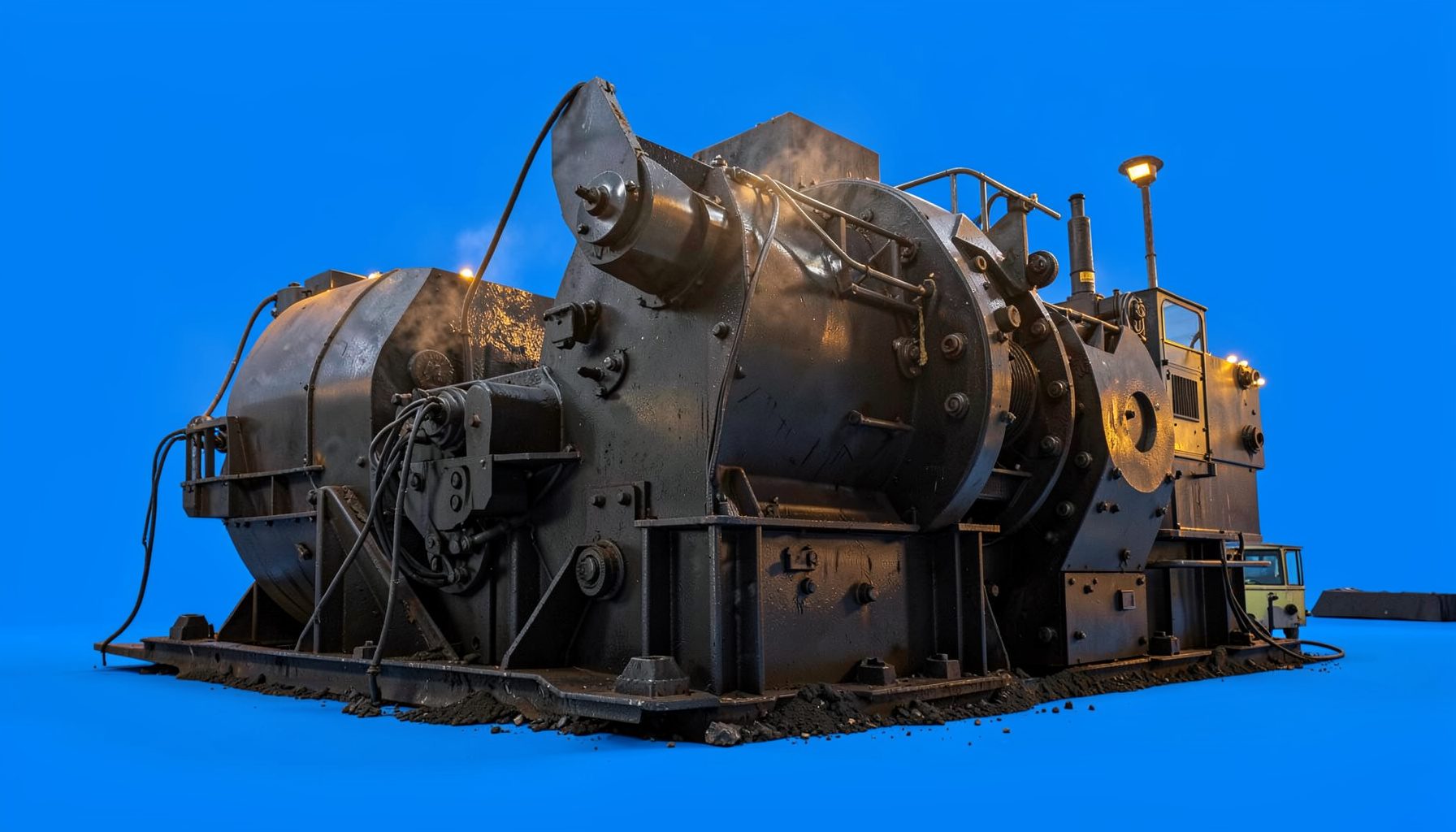
The Advantages of a Twin-Shaft Washer for Cleaning Dirty Aggregates
Dirty aggregate can undermine the performance of an entire crushing and screening circuit. Clay coatings, soluble dust, loam, organics and fine contaminants may reduce the bond between cement and stone, affect asphalt quality, block screen apertures and create inconsistent product grading. For quarries and recycling operations, washing is often essential when excavated material arrives with a heavy burden of unwanted fines. Learn more about Hua Gong Xing Ye.
A twin-shaft washer provides an aggressive cleaning stage for difficult feed. Its two rotating shafts carry paddles or blades that push aggregate through a water-filled trough while particles rub against one another. This scrubbing action breaks down clay lumps and removes adhered contamination more effectively than simple rinsing, making the machine suitable for construction materials, manufactured sand, quarry stone and mineral-processing applications.
How A Twin-Shaft Washer Works
Material enters the washer through a feed chute, where water begins to loosen surface dust and softer coatings. Two parallel shafts rotate inside a reinforced trough, moving the feed forward while their paddles create intense agitation. The opposing movement produces particle-on-particle attrition, which helps detach clay, silt and organic residue from gravel and crushed rock.
The cleaned aggregate travels towards the discharge end, while dirty water and liberated fines move through overflow areas or a connected dewatering and classification system. Depending on the plant design, the washed product can then pass to a sizing screen, hydrocyclone, thickener or stockpile conveyor. Shaft speed, paddle arrangement, retention time and water flow can be adjusted to match the feed condition.
This configuration is often called a log washer, paddle washer or aggregate scrubber, although specific designs differ between manufacturers. Twin shafts provide a high level of agitation in a relatively compact footprint. That makes the equipment useful where a conventional spray bar cannot supply enough energy to clean sticky, heavily contaminated stone.
More Effective Removal Of Clay And Coatings
The principal advantage of a twin-shaft aggregate washer is its ability to clean material that is difficult to treat with water alone. A spray system may wash loose dust from the outside of a rock, but it will struggle with clay bonded to the surface or packed into the cavities of crushed concrete. The washer combines soaking, turbulence, compression and abrasion to release these contaminants.
This action is valuable when a quarry produces aggregate for concrete, asphalt or road base. Clean stone gives binders a more reliable surface to adhere to, while controlled removal of deleterious fines helps the finished product meet customer specifications. In Australia, this can be important for projects around Sydney and Melbourne, where infrastructure contractors require consistent aggregate quality across large volumes of road and building work.
The process also improves separation further along the circuit. Once sticky material has been broken apart, screens can classify the feed more accurately and crushers are less likely to receive compacted clay balls. The result may be steadier plant capacity, fewer blockages and more predictable gradation. Washing does not eliminate the need for correct screening, but it makes every downstream stage easier to control.
Suited To Australian Quarry Feed
Australian quarries encounter highly variable feed conditions. A site near Brisbane may receive wet, plastic clay after heavy seasonal rainfall, while a dry operation in Western Australia may handle dusty, weathered rock with a high concentration of fines. Coastal sites can also deal with salt-bearing material, shells or marine deposits, and recycled aggregate producers may need to remove soil, plaster and other light contamination from demolition waste.
A twin-shaft washer is well suited to these changing conditions because it can apply vigorous scrubbing rather than relying on a light spray. Its robust trough and heavy-duty shafts are designed for abrasive stone, while the washing intensity can be selected according to the amount of contamination. Correct feed preparation remains important: excessive oversize, tramp steel and large unbreakable pieces should be removed before the washer.
Water management is especially significant in Australia. Many operations in South Australia, inland New South Wales and Western Australia work under tight allocation, licence or environmental conditions. A washer should therefore be assessed as part of a complete water-recovery circuit rather than as an isolated machine. Settling ponds, sludge handling, pumps and recycled process water can reduce fresh-water demand while keeping the cleaning stage effective.
For recycled concrete and demolition materials, the washing step may also support a more consistent product stream. Adelaide and Melbourne recycling businesses commonly process mixed construction materials, and the ability to remove fine soil or attached debris can improve the value of recovered aggregate. The exact result depends on the feed composition, but intensive scrubbing gives operators greater control than dry screening alone.
Better Product Quality And Plant Efficiency
Removing unwanted fines can improve the commercial value of several aggregate products. Washed sand and gravel are more suitable for concrete and drainage applications when excess clay and silt have been reduced. A cleaner manufactured sand may also deliver more stable performance in cementitious mixes, although final acceptance depends on laboratory testing and the relevant customer specification.
The washer can contribute to efficient production by reducing the circulation of sticky material. Clay that remains on the feed may blind screen media, build up on transfer points and increase the risk of unplanned shutdowns. By liberating the contamination early, the circuit can maintain a more reliable flow. Operators still need to balance washing intensity against energy use, wear and water consumption.
A well-designed plant also coordinates the washer with crushers, screens and conveyors. The feed rate should be stable, the water supply should match the contamination load and the discharge should avoid overloading the next machine. For operators reviewing the relationship between classification and milling performance, this airflow classification guide illustrates the wider principle that separation equipment performs best when operating conditions are balanced across the circuit.
Cleaning efficiency should be verified through product sampling rather than judged by appearance alone. Moisture, minus-75-micron content, clay index, sand equivalent and other tests may be relevant to the intended use. These measurements help establish whether the washer is delivering the required quality at a sustainable operating cost.
Flexible Integration With Crushing And Screening
Twin-shaft washing equipment can be installed in a fixed quarry plant or incorporated into a broader modular arrangement. In a stationary circuit, it may sit after primary and secondary crushing, receiving a controlled fraction from a screen. This arrangement is suitable for long-term extraction sites with established foundations, permanent water infrastructure and high annual production.
A mobile or semi-mobile configuration can provide greater flexibility for contract crushing, borrow-pit work and temporary infrastructure projects. It may be positioned near the excavation area to reduce haulage or moved between stockpiles as feed conditions change. Australian contractors working across regional Queensland or large civil projects may value this mobility when the source location changes during a project.
The choice between fixed and mobile equipment affects access, power supply, water storage, maintenance and transport permits. A practical plant selection comparison can help frame these decisions before the washing stage is specified. The washer itself must be matched to the rest of the circuit, because a high-capacity scrubber offers limited value if the feed conveyor, screen or dewatering system is undersized.
Integration should also consider material flow during start-up and shutdown. Surge bins can help even out inconsistent quarry feed, while bypass arrangements may be useful when a clean, low-clay material does not require intensive washing. Automation can monitor water level, motor load, shaft speed and discharge conditions, allowing operators to adjust the process without constant manual intervention.
Selecting And Maintaining The Equipment
Capacity is the first selection factor, but it should not be considered in isolation. The feed size, bulk density, clay content, moisture, abrasiveness and required retention time all influence the appropriate machine size. A washer designed for light contamination may be unsuitable for sticky clay, while an excessively large unit can increase capital, water and power costs without improving the final product.
Wear protection is another important consideration. Paddles, liners, shafts, bearings and drive components are exposed to abrasive particles and continuous impact. Replaceable wear parts can simplify maintenance and reduce downtime. Operators should also check access around inspection covers, lubrication points and discharge areas before installation, especially when the machine will be placed inside a confined Australian quarry plant.
Routine care includes checking shaft alignment, gearbox oil, bearing temperature, paddle condition and trough liners. Foreign objects should be prevented from entering the machine, and any unusual vibration or motor load should be investigated promptly. Washing circuits also require regular removal of settled sludge so that ponds, sumps and pumps retain their working volume.
Shanghai CME Mining and Construction Machinery Co., Ltd. supplies equipment for crushing, screening, washing and mineral processing applications, allowing a twin-shaft washer to be considered alongside feeders, conveyors, crushers and classification equipment. A complete process review helps determine whether the machine will deliver the required cleanliness, capacity and water efficiency for the site. In the Australian market, that whole-circuit approach is particularly valuable because feed materials, climate, transport conditions and water constraints can vary considerably between regions.