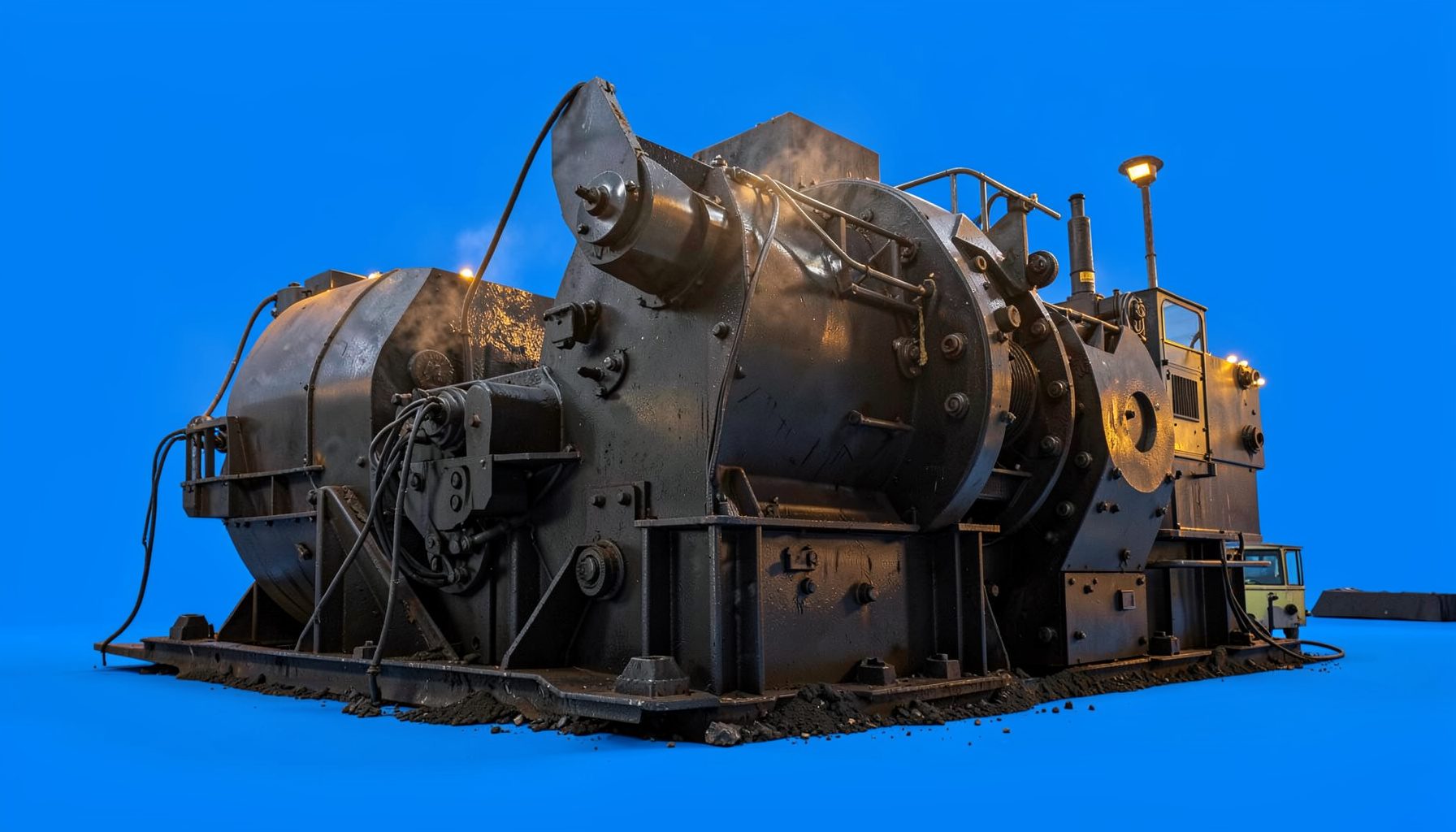
Efficient iron ore crushing plant setup for Australian operations
An efficient iron ore crushing plant is built to deliver a stable, correctly sized stream at the required tonnes per hour without avoidable downtime. It begins with run-of-mine ore, followed by primary crushing, secondary crushing, screening, washing where needed, and transfer to stockpiles or grinding circuits. Equipment selection matters, but capacity comes from matching every stage to the same production target and ore characteristics. A useful design brief states peak hourly demand, acceptable product sizing, operating hours and realistic availability, so no single machine is sold on an optimistic headline rate.
In Australia, large-scale iron ore concentration is strongly associated with Western Australia’s Pilbara, where mine sites, workshops and rail heads can be separated by long road distances. A breakdown therefore carries a high cost: technicians may fly in, spare parts move by truck, and crews work FIFO rosters under intense heat. Parts coordinators in Perth and port logistics teams in Port Hedland need clear component data and dependable lead times. The plant layout should also allow safe access for inspections without forcing staff to cross active conveyors.
Design also has to fit Australian operating rules. Safe Work Australia’s model codes and Western Australia’s Mines Regulations 2016 shape guarding, isolation, access and competency controls, while environmental approvals govern site-specific dust, process-water and tailings obligations. Shanghai CME Mining and Construction Machinery Co., Ltd. supplies jaw, cone and impact crushers, sand-making machines, vertical and trapezium mills, feeders, conveyors and mobile crushing plants. Its products are sold internationally, and its Shanghai headquarters supports equipment selection for both stationary plants and modular Australian sites.
Define the feed and production target
Start with a measured feed rather than a catalogue capacity. Run representative run-of-mine samples through size analysis and hardness testing, because hematite and magnetite can behave differently as fines, moisture and abrasiveness change. Define the largest routine feed dimension, required product size, acceptable oversize percentage, shift target and stockpile recovery rules. Put these terms in the plant guarantee: tonnes per hour, closed-side setting, product size curve and peak rather than average demand. Include seasonal ramp-up after a crew change or feed-blend change.
Crusher wear parts should be selected for the actual ore, not for a generic “iron ore” label. A practical guide to crusher mantles and concaves explains how hardness affects liner performance and replacement intervals. At the coarse stage, use a robust section and mantle arrangement that resists gouging and impact; at later stages, control the closed-side setting so the machine is not asked to make an excessive reduction in one pass. Record wear during scheduled inspections and keep suitable hardness alternatives ready for more abrasive stockpiles.
Match crushers to each reduction stage
The primary crusher should break the run-of-mine feed at the lowest sensible cost per tonne. For many Australian hard-rock installations, a heavy-duty jaw crusher behind a grizzly handles large lumps and discontinuous loading, while a cone crusher can provide controlled secondary reduction. An impact crusher is more appropriate for feed that is moderately hard and less abrasive; highly abrasive iron ore generally favours wear-resisting designs. Shanghai CME’s crushing equipment range supports these configurations and lets the crusher size follow measured feed requirements rather than a fixed catalogue assumption.
Secondary crushing should remove the remaining oversized fragments without sending avoidable fines into the next stage. Screening deck area, belt capacity and crusher setting then need to be balanced around one shift target. If the end product is a fine concentrate or pellet feed, the flow may continue to grinding and classification. Shanghai CME vertical mills and trapezium mills can be considered where the specified beneficiation route and product tests support them; a sand-making machine is relevant only when manufactured sand is part of the required product.
Engineer screening, feeding and material handling
A crusher cannot be optimised when the feed is uneven or the screen is undersized. Use an apron feeder or vibrating feeder with controlled draw, install a grizzly ahead of the primary unit, and give the screen deck enough area to stay above the crusher’s maximum sustainable rate. Australian operators often work long FIFO rotations, so simple local controls, clear wear points and quick greasing access reduce dependence on distant technical support.
Conveyors carry the largest continuous load and deserve a dedicated design review. The principles of conveyor belt selection should cover belt strength, trough angle, pulley lagging, belt speed, loading point and the incline required for finished-product stockpiles. Match motor load and belt width to peak tonnes per hour rather than average flow. Dust suppression must not load the belt with moisture, and transfer points need skirts or dust containment that can be inspected safely. Plant layouts can be compared across these arrangements:
| Configuration | Suitable application | Operating advantage | Main limitation |
|---|---|---|---|
| Grizzly with single-deck screen | High-tonnage, coarse run-of-mine feed | Rugged and economical | Limited product-size flexibility |
| Multi-deck screen | A tighter size specification | Better size control | More wear points and maintenance |
| Screen-and-wash arrangement | Ore containing clay or recoverable fines | Improves cleanliness and recovery | Higher water and pumping demand |
| Modular mobile plant | Temporary or changing production demand | Fast relocation and reduced civil works | Transport, setup and logistics costs |
Manage water, fines and environmental controls
Iron ore washing plants can remove clay, separate fine particles and help recover valuable material, but they also create a substantial water and slurry load. Size scrubbers, screens, pumps and dewatering equipment around the actual water requirement, and provide recycle lines that separate dirty process water from clean return water. In dry Western Australian districts, water planning must account for restricted supply, variable rainfall and the cost of moving water long distances.
Dust and discharge controls need evidence tied to the site’s environmental licence and regulator expectations. Online turbidity and suspended-solids monitoring can support process checks and regulatory reporting, yet readings should be verified against the approved laboratory method where required. Keep settlement ponds and tailings areas designed for the worst storm scenario, and monitor dust at transfer points as well as at crusher discharge. Compliance records should show both readings and corrective action.
Balance capacity and process control
Balance the line around the bottleneck rather than the largest motor. Every feeder, screen, conveyor and crusher should have headroom against the same design peak, while a control system interlocks feeders, crushers and screens to prevent surge. Choke feeding can improve efficiency when the crusher is fed evenly, but sustained overfeeding raises liner wear, power draw and product size variation. Track tonnes per hour, running power, feed size and closed-side setting in one shift log so operators can distinguish ore change from mechanical deterioration.
A reliable product-size curve is the best operational balance between recovery and grinding cost. Screens can be adjusted to trade oversize for fines, while crushers and grinding circuits should be tuned to the specification without producing unnecessary ultrafines. In a magnetite route, liberation and regrinding often dictate the final grind; in a hematite route, the target may centre on lump or fines quality. Regular reconciliation of feed, products and tailings exposes where value is being lost.
Commission the plant and sustain production
Commissioning should begin with empty runs, safety isolations, emergency stops and guard checks before ore is introduced. Feed a controlled low-rate sample, verify belt tracking, feeder calibration, screen settings and crusher output, then raise load in measured increments to the acceptance test. Dust extraction, water pressure, alarms and the control-room sequence should be tested under realistic operating conditions. Operators and maintenance crews need site-specific training in lockout, tagout, housekeeping and inspection methods.
Preventive maintenance protects both capacity and safety. Inspect crusher liners, feeder chains, screen decks, conveyor belts, bearings and dust systems on fixed intervals, and use operating hours plus tonnes processed rather than calendar age alone. Portable equipment used during inspections should be approved for the task; for routine workshop duties, AEG power tools can provide a practical option for fitting, grinding and cleaning away from the live plant, subject to site electrical and safety requirements. Critical spares are positioned in Perth, Port Hedland or the mine workshop according to lead time and failure consequence.