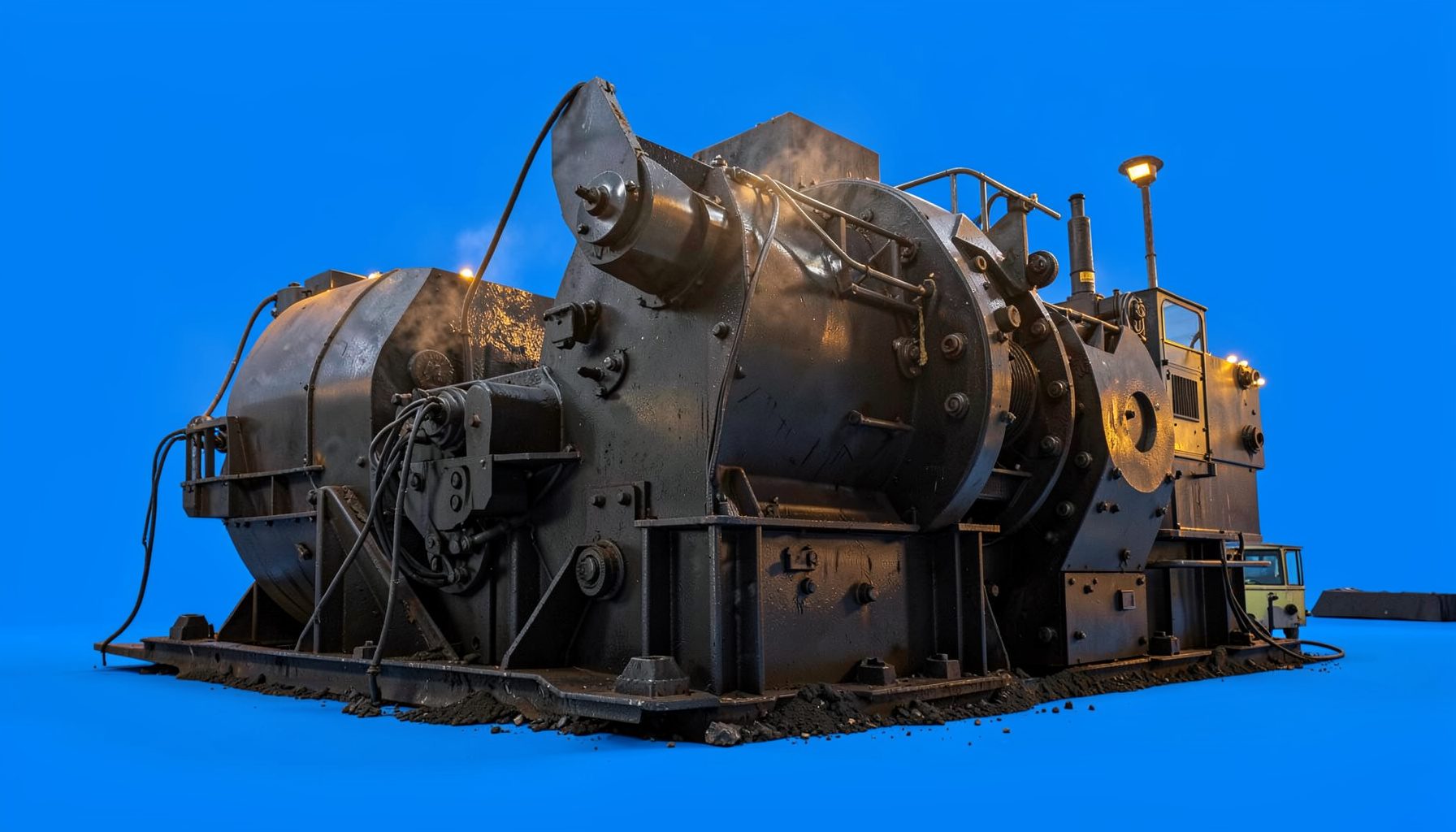
How to select crusher mantles and concaves for different ore hardness
A mantle lines the rotating section of a cone or gyratory crusher, while a concave lines the stationary chamber. Together they form the particle-on-particle zone that breaks feed while protecting the frame. Liner geometry and fit affect reduction, product size, power consumption, stability and useful downstream gradation.
Ore hardness is only one variable. Quartz, mineral bonding, toughness, moisture, clay, feed top size and tramp oversize alter liner duty. A material suited to a hard, supported cavity may crack in a high-impact zone, while an extremely hard surface can chip if its backing cannot accommodate shock. Selection should follow the actual breakage and wear mechanism, not a generic hardness number.
Australian sites show the variation. Pilbara run-of-mine iron ore may be very hard and highly abrasive, whereas Hunter Valley coal brings different bedding, fines and moisture behaviour. Urban quarries around Melbourne, Brisbane, Perth and Sydney often supply specification stone or manufactured sand, where consistent gradation and clay control matter as much as tonnes per hour.
A reliable decision connects representative ore testing, crusher geometry, production targets and spare-part planning. It confirms that liner dimensions and metallurgy suit the exact machine, not merely its nominal size or advertised power. Shanghai CME Mining and Construction Machinery Co., Ltd. supplies crushing, screening, washing and mineral-processing equipment for quarrying, construction, cement and mining applications, so wear parts belong within the complete plant.
Read the ore, not just one hardness value
Begin with representative run-of-mine samples from normal blasting and feeding, not only clean laboratory pulp. Compressive strength, breakage work, Young’s modulus, mineralogy and quartz content reveal different parts of the duty. Bond work index may assist power estimates, while Mohs or Vickers readings compare particles. None predicts liner life alone because shape and fracture mode govern impact.
Separate hardness from abrasiveness. A hard grain that fractures cleanly may be benign; a moderately hard, angular grain can gouge under concentrated contact. Highly abrasive duties with restrained impact may favour a harder surface, while severe shock requires toughness and secure backing. Clay and moisture can conceal gaps, encourage packing and change fines flow.
Product requirements add another constraint. A crusher selected only for maximum feed rate can produce shapes or fines that downstream equipment cannot accept. Manufactured sand illustrates the issue: washing and classifying quartz-rich quarry feed requires controlled gradation and clay removal, which this explanation of quarry sand production develops. The crushing stage must suit the downstream classification duty.
Match liner metallurgy to the failure mode
Work-hardening manganese steel is often the economic baseline for hard, ductile rock. Under impact, its surface hardens while the body retains toughness. Specify grade, alloy chemistry, manufacturing route, heat treatment and machining tolerances rather than accepting “manganese steel” as a sufficient description. Profiled relief, backing fit and wedge retention can matter as much as material hardness.
High-chrome white iron, silicon-chromium alloys and ceramic-bearing products can improve gouging resistance. Their lower toughness makes impact control and secure installation critical. Thick ceramic tiles may suit a controlled secondary duty but remain vulnerable to oversize feed. Metal-matrix or composite liners can combine a hard layer with ductile retention, but machine-tested geometry and attachments must govern the choice.
Mantle and concave may require different profiles and retention details even when they share a material. The upper zone sees the largest feed and highest impact; the lower zone experiences prolonged contact, compaction and recirculating fines. A mixed arrangement needs a documented duty. Sites should not field-trial unfamiliar overlays on retracting or pressure-bearing liners; welding and heat treatment require an approved, machine-specific procedure.
| Ore and feed condition | Typical damage signal | Material direction | Main operating priority |
|---|---|---|---|
| Very hard, brittle and highly abrasive | Edge chipping, cone cracking and gouging | Qualified high-chrome, silicon-chromium or ceramic composite | Feed top, impact and cavity profile |
| Hard, ductile rock | Polishing, deformation and liner pullout | Qualified manganese steel with controlled heat treatment | Contact, retention and discharge |
| Moderate abrasion | Steady polishing and shallow grooves | Manganese steel or a tested composite matched to impact | Closed side setting and monitoring |
| Soft, friable or sticky feed | Packing, movement and excess fines | Tough manganese; rubber-backed liner only where compatible | Moisture, flushing clearance and build-up |
Set the chamber and crushing geometry
A liner cannot create stable product unless its profile leaves an appropriate gap. Choose closed side setting from the product curve, screen opening, circulating load, capacity and power, then allow for liner wear rather than treating new liners as though their thickness will remain unchanged. A tight gap raises circulating load, power, heat and liner-cracking risk.
Feed size and distribution matter equally. Stay below the manufacturer’s maximum top-size limits, maintain a broad bed and keep fines from burying the crushing zone. Reject tramp oversize upstream. One oversized particle can damage a correct liner, while poor distribution wears one shoulder heavily and leaves the other underused, distorting product and consuming liner life unevenly.
Use wear patterns as evidence. Uniform polishing suggests normal abrasion. A gouged feed shoulder indicates segregation, oversized lumps or an unsuitable profile; rapid lower-zone wear can indicate recirculating fines or poor chamber design. Record observations against feed conditions before changing material or dimensions. Repeated damage in one location may be a geometry or operating fault that harder steel cannot solve.
Build for Australian operating conditions
Pilbara plants should test separate ore domains rather than average an entire orebody into one value. Magnetite, hematite, quartzite and altered material can respond differently as pits develop, while blasting or screen bypass can enlarge feed. Imported liner packages arriving in Fremantle need protected edges, traceable records and installation details for checking orientation, depth and backing.
Hunter Valley coal presents another profile: moderate particle hardness can accompany abrasion, compaction and sticky fines. Urban aggregate and sand operations around Brisbane, Melbourne or Perth face tight gradation, silica-bearing dust and water-sensitive washing. Crusher isolation, exclusion zones and dust controls must follow the site safety plan; liners should never be inspected while the chamber can move.
For imported wear parts from Shanghai, invoices, packing lists and material certificates should agree with the tariff classification and description used for Australian Border Force clearance. A customs broker or importer should resolve borderline classifications instead of grouping every liner as generic crusher parts. Traceability also supports maintenance records. Remote Pilbara and island operations need local availability as well as paperwork. An island-market reference such as Hawaiian Pride shows why supplier access and service ecosystems can shape remote procurement, while crusher selection still depends on machine-specific engineering.
Control wear through installation and monitoring
Before installation, isolate and zero stored energy, verify lifting plans and compare the liner drawing with chamber measurements. Check backing, locks, relief pockets, retention wedges and fastener torque against the manual. Incorrect orientation or cramped clearance can preload a liner and create the cracking the purchase was intended to prevent.
Build a baseline during controlled commissioning. Record power, closed side setting, oil temperature and pressure, vibration, gradation, throughput and liner contact at known feed conditions, then repeat before inspections. Instrument alarms protect the machine, but only a baseline helps operators separate gradual wear from a developing liner or feed problem.
Inspection should cover cracking, missing wedges, exposed backing, distortion, uneven wear and build-up; investigate causes before replacement. Keep critical profiles and matched metallurgy ready for planned shutdowns where delivery times or remote access constrain emergency procurement. General workshop tools have a separate role. A specialist such as AEG power tools can provide bench drills, grinders and accessories, provided crusher wear parts and general tools remain clearly separated.
Integrate the crusher with the production circuit
Crusher selection must begin with the circuit, not the wear-part catalogue. Hard feed may require a large jaw or impact stage before cone or gyratory units perform secondary or tertiary reduction. Jaw and impact crushers use cheek plates or blow bars rather than mantles and concaves, but the same ore-testing discipline applies. Screens define returning material, while washing and classification prepare the product. Increasing the reduction ratio without changing the rest of the circuit can overload downstream crushers.
Fixed and mobile installations make different compromises. A fixed plant near Perth can support heavier foundations, stockholding and maintenance access; a remote project may need modular power, dust control and defined service routes. This guide to mobile crushing plant layouts shows how portable arrangements vary with feed and destination. Mobile capacity does not remove liner requirements, because impact still depends on feed top size, machine mass and operating discipline.
Shanghai CME’s internationally sold range includes jaw, cone and impact crushers, sand-making machines, vertical and trapezium mills, vibrating feeders, conveyors and mobile crushing plants. This breadth matters because crushing output must align with screening, washing, conveying and grinding rather than an isolated tonnage promise. Ore testing, machine-specific metallurgy, verified installation and operating control produce steadier product, safer maintenance and longer asset life.