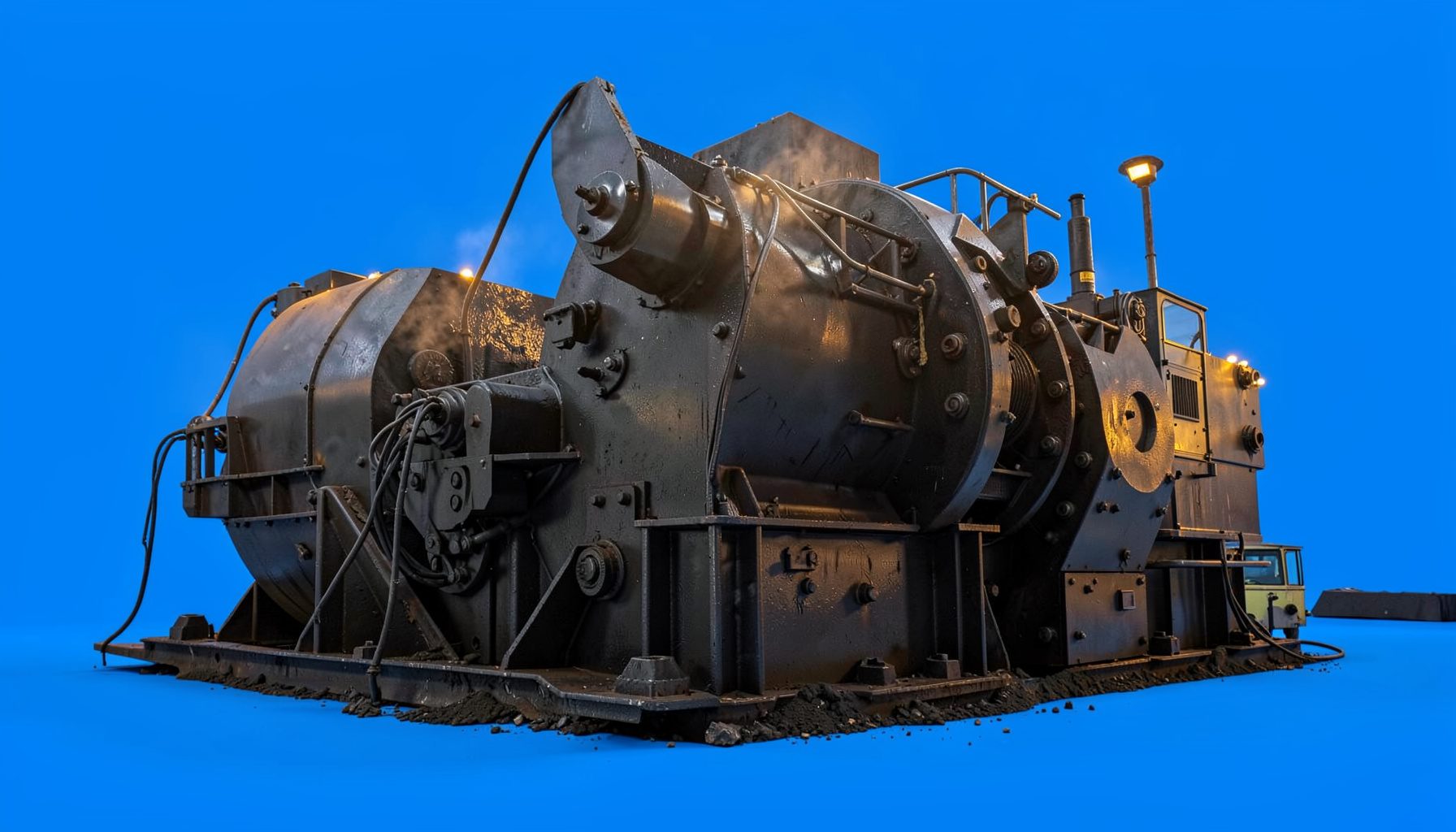
Extending crusher bearing life through proper lubrication
In the red dust of the Pilbara or the humid heat of a Queensland quarry, crusher bearings face punishment that would destroy lesser components. Australian operators know that when a primary jaw goes down at a remote iron ore site, the cost isn't just the repair—it's the lost production, the chartered flight to bring in a technician, and the FIFO crew standing around with their boots on. Bearing failure remains one of the leading causes of unplanned downtime in aggregate and mining operations across the country.
The secret to keeping those massive rotors spinning in Kalgoorlie or the Hunter Valley isn't just about buying expensive bearings. It's about understanding that lubrication is the single most important factor in bearing longevity. A well-planned greasing schedule, the right product for the conditions, and disciplined application can double or even triple the operational life of these critical components. Get it wrong, and you'll be replacing bearings every few months instead of every few years.
Australian conditions present unique challenges that operators in milder climates rarely encounter. The extreme temperature swings in the outback, the abrasive dust that finds its way into every seal, and the continuous duty cycles demanded by high-tonnage operations all conspire against bearing life. But with the right approach to lubrication, even the harshest environment becomes manageable.
Why crusher bearings fail in Australian conditions
The combination of heavy radial loads, impact forces, and environmental contaminants creates a perfect storm for bearing damage. In Western Australia's iron ore operations, crushers run 24/7 processing material with high silica content, generating fine dust that infiltrates seal gaps. Queensland coal handling plants deal with moisture and corrosive water, while New South Wales quarries battle temperature variations that can exceed 30 degrees Celsius between day and night shifts.
Bearing failure typically announces itself through increasing temperature, unusual noise, or vibration. But by the time these symptoms appear, significant damage has often already occurred. Spalling, brinelling, and fatigue are common end results of poor lubrication practices. The root cause is usually simple: not enough grease, the wrong type of grease, or contamination breaking down the lubricant film.
Australian sites often run smaller maintenance crews than their overseas counterparts, with workers expected to cover more ground. This makes standardized lubrication procedures critical. When a fly-in fly-out crew member services equipment at 2am at a remote Pilbara site, they need clear, simple instructions that don't require interpretation. Consistency is what saves bearings in the bush.
Choosing the right lubricant for your application
Not all greases are created equal, and selecting the wrong one is a common mistake. Lithium-based greases work well in general applications, but for high-temperature environments like those found in the Hunter Valley during summer, complex thickeners offer better stability. Polyurea greases, for instance, excel in high-speed applications and resist oxidation better than conventional options.
Viscosity matters enormously. The base oil viscosity must match the operating temperature and speed of the bearing. Too thick, and the lubricant won't flow properly to the contact surfaces. Too thin, and the film breaks down under load. Australian sites dealing with extreme cold in winter (like those in the Victorian highlands) need different base oils than tropical operations in the Top End.
Contamination resistance is another critical factor. Greases with solid additives like molybdenum disulfide or graphite provide extra protection during heavy shock loads. Water-resistant properties are essential for coastal operations or plants that wash down equipment frequently. For operations in the Pilbara, where temperatures can hit 50 degrees Celsius in the shade, high dropping point greases are non-negotiable.
| Grease type | Best application | Temperature range | Australian suitability |
|---|---|---|---|
| Lithium general purpose | Standard jaw crushers, moderate conditions | -20°C to 120°C | General quarrying, inland sites |
| Lithium complex | High temperature primary crushers | -20°C to 160°C | Pilbara, Hunter Valley coal operations |
| Polyurea | High speed, electric motors | -30°C to 180°C | Processing plants, conveyor drives |
| Calcium sulphonate | Wet environments, heavy loads | -20°C to 150°C | Coastal quarries, wash plants |
| Bentone clay | Extreme temperatures | 0°C to 200°C | Hot material handling, clinker coolers |
This comparison shows why a one-size-fits-all approach fails across Australia's diverse operating environments. A lithium complex grease might be perfect for a Pilbara primary crusher but completely wrong for a coastal operation dealing with salt spray and high humidity.
Establishing effective lubrication intervals
The traditional approach of greasing every shift or every week is outdated. Modern bearing manufacturers provide specific relubrication intervals based on operating conditions, speed, and temperature. Following these guidelines, rather than relying on guesswork, can dramatically extend bearing life.
Several factors determine the optimal interval. High-speed crushers need more frequent attention than slow-moving primary jaws. Elevated temperatures shorten grease life. Contaminated environments require more frequent purging of old grease to remove particulates. A primary gyratory crusher processing 5,000 tonnes per hour has very different needs than a secondary cone crusher in a smaller quarry.
Centralized lubrication systems are becoming standard on larger Australian sites. These systems automatically dispense precise amounts of grease at predetermined intervals, eliminating human error and ensuring consistent application. While the upfront cost is higher, the reduction in bearing failures and labor savings typically justify the investment within the first year of operation.
For operations considering upgraded equipment or new crushing plants, exploring industrial printing technology for technical documentation can help teams stay current with best practices and manufacturer recommendations. Having accurate, accessible service manuals makes a real difference when crews are working in remote locations.
Common lubrication mistakes that destroy bearings
Over-greasing is just as damaging as under-greasing. Pumping too much grease into a bearing causes churning, which generates heat and breaks down the lubricant. The excess pressure can also damage seals, allowing contamination to enter. Many Australian operators have learned this lesson the hard way, watching expensive bearings fail prematurely despite diligent greasing efforts.
Mixing incompatible greases is another frequent error. Different thickener systems can react chemically, causing the grease to soften or harden unpredictably. If a supplier changes or a different product is used, the consequences might not appear immediately but will show up as reduced bearing life weeks later. Standardizing on one product across an entire site eliminates this risk.
Neglecting seal maintenance is closely related to lubrication failure. Even the best grease cannot protect a bearing if the seals are compromised. Regular inspection of seal integrity, along with proper greasing of seal lips, keeps contamination out. In dusty environments like the Pilbara or the goldfields around Kalgoorlie, this is absolutely critical. For comprehensive information on equipment maintenance and crushing equipment catalog options, operations managers can find valuable resources to compare specifications and maintenance requirements across different crusher models.
Monitoring bearing health and performance
Temperature monitoring is the first line of defense. Continuous temperature sensors with alarm setpoints allow operators to detect problems before catastrophic failure occurs. A sudden temperature increase often indicates insufficient lubrication or impending bearing distress. Many modern crushers come with integrated monitoring systems, but retrofitting older equipment is straightforward and cost-effective.
Vibration analysis provides deeper insight into bearing condition. As bearings degrade, they produce characteristic vibration frequencies that trained technicians can identify. Regular vibration monitoring schedules—monthly for critical equipment, quarterly for less critical items—help predict failures and plan replacements during scheduled downtime rather than emergency stoppages.
Oil analysis, where applicable, offers even more detailed information. Spectrometric analysis detects wear metals, while particle counting reveals contamination levels. For cone crushers and other equipment with oil-lubricated gear systems, regular sampling provides a window into internal conditions that visual inspection cannot match.
Building a lubrication program that works
A successful lubrication program starts with clear documentation. Every bearing in every crusher should have a lubrication schedule specifying the exact product, quantity, and interval. This documentation should be accessible to maintenance crews, whether they're in the control room or out at a remote site with limited connectivity.
Training is equally important. Every operator and maintenance worker should understand why lubrication matters, not just how to do it. Workers who understand the consequences of over-greasing or contamination are more likely to follow procedures correctly. In the Australian context, where crews are often working alone at remote sites, this understanding becomes even more critical.
For operations looking to improve their overall approach to equipment management, the compli kenya portal provides resources that can complement internal training programs. Additionally, reviewing solar thermal efficiency strategies might seem unrelated, but the same systematic approach to maintenance applies across different industrial applications.
Record keeping transforms guesswork into science. Tracking lubrication activities, bearing replacements, and operating conditions reveals patterns that inform better decisions. A spreadsheet showing that bearings in a particular crusher consistently fail after 8,000 hours might prompt investigation—is the interval wrong, the product wrong, or the operating conditions different than assumed? This data-driven approach separates world-class operations from the rest.
Finally, consider the broader crushing circuit. Bearings don't exist in isolation—they're part of a system that includes the sand making machine selection process and downstream screening. Optimizing the entire system reduces stress on individual components, including bearings. When feed distribution is even and product size is correct, bearings last longer.
The Australian mining and quarrying industry operates in some of the world's most demanding conditions. Equipment that survives here will perform anywhere. By taking lubrication seriously—using the right products, following proper intervals, avoiding common mistakes, and monitoring performance—operators can extend bearing life significantly, reduce unplanned downtime, and keep their operations running smoothly. It's not glamorous work, but it's the foundation of reliable production in a competitive market where every tonne counts.