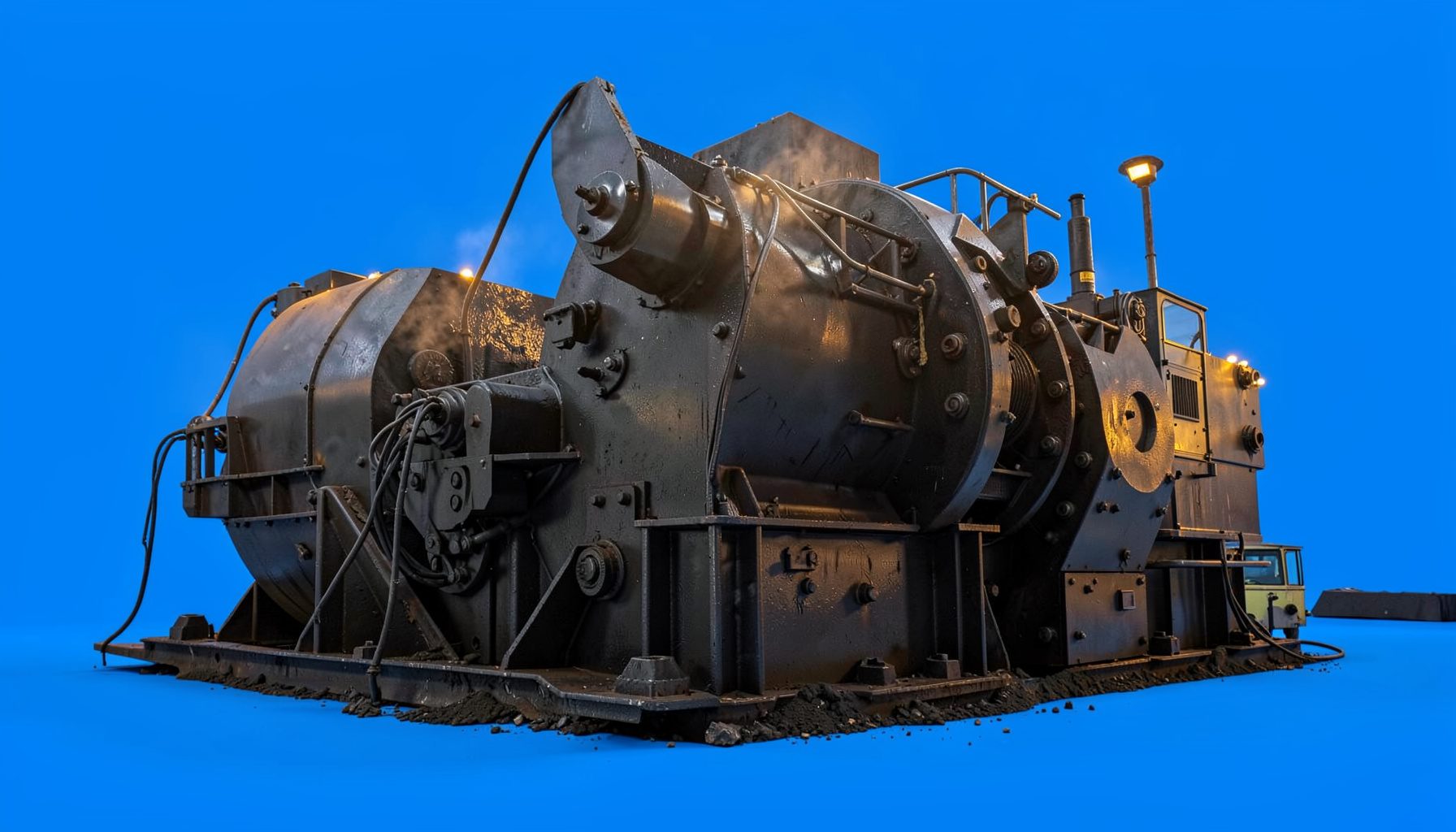
Keeping impact crushers clear when feed turns sticky
Sticky material in a crushing circuit is the kind of problem that quietly eats into production until a shift hand notices the rotor slowing and the apron pans piling up. In Australian quarrying and mineral-processing operations, where damp ore, clay-bound overburden, and seasonally wet feedstocks are part of normal operations, plugging is one of the most common causes of unplanned downtime. The good news is that with a layered approach covering machine setup, feed preparation, and routine monitoring, operators can keep material moving through the crushing chamber without constant intervention.
The phenomenon itself is straightforward. When fines, moisture, and clay-rich particles bind together under pressure, they cling to impact surfaces, block the gap between rotor and apron, and force the crusher to work harder on a smaller effective area. Once a plug forms, throughput drops, power spikes, and the chamber overheats. Avoidance therefore depends on controlling the conditions that allow the bind to start in the first place, rather than relying on a crew to clear hang-ups once they happen.
Why sticky material behaves differently in an impact crusher
Unlike a jaw crusher that relies on compressive force between two plates, an impact crusher breaks rock through high-speed kinetic energy. The rotor flings feed into a curtain of blow bars, and the rock shatters on impact, then again as it rebounds off the aprons. This action is brilliant for abrasive, dry material, but it turns into a problem when the feed carries plasticity. Clay-rich ores from the Pilbara, weathered overburden from New South Wales basalt quarries, and lateritic material from the Northern Territory all behave like damp putty when crushed.
When such material meets the rotor, particles coat the blow bar faces, fill the cavities around the wedges, and start to build a layer that grows thicker with each revolution. The impact zone becomes a compaction zone, and the rotor begins to push a wet slug rather than sling dry rock. Downstream, the same material gums up the discharge grates, which is often the first place a plug shows itself visually during routine walk-arounds.
Recognising the early signs matters. Operators on Australian sites often describe a dull thud instead of the usual sharp cracking sound as material loses velocity in the chamber. Feed amps rise and stay elevated, then fall sharply as the plug locks the rotor. Any of these signs is a signal to pause and address the root cause rather than push harder and hope the rotor clears itself.
Managing moisture and clay before the feed enters
Pre-crushing preparation is the most effective plug prevention. Wet ore from a recent storm at a Hunter Valley operation can hold 8 to 12 percent moisture at the feed face. Letting it drain, blending it with drier stockpile material, or running it through a separate scalping screen first dramatically reduces the load on the impact chamber and gives the rotor a fighting chance to do its job.
On larger sites around Kalgoorlie and Newman, operators use horizontal dewatering screens or simply allow wet fines to spread across a stockpile pad for several days before reclaim. Adding a small percentage of dry crushed reject from a secondary jaw stage can change the moisture profile enough to keep the material flowing. A well-tuned vibrating feeder with adjustable amplitude lets the plant team match feed rate to actual material condition, slowing the tonnage when the feed is damp and recovering speed when things dry out after a shift or two.
Dust suppression water sprays also need careful management. Spraying too much water at the feed chute is a common cause of plugging in dry tropical conditions during a Top End wet season. Spraying into the rotor, or using fog systems above the crushing chamber, controls airborne dust without adding liquid to the feed and creating a new set of bind-up problems a metre further down the chamber.
Rotor speed, tip geometry, and chamber geometry choices
Once the feed is right, the next layer is machine setup. Rotor speed on horizontal-shaft impactors is a balance between particle-on-particle breakage and throughput. Sticky material generally tolerates, and often prefers, a slightly lower rotor speed because the slower impact gives clay less time to smear across the blow bar face. Reducing tip speed by 10 to 15 percent can restore throughput on borderline wet feed without sacrificing particle shape on the way through.
Blow bar profile also matters. Deep-faced, heavy-duty bars handle dry abrasive rock best. For sticky ores, the better choice is often a lighter bar with a flatter face, which sheds built-up material more readily. Many operations on the east coast switch between bar types seasonally, fitting heavy bars for the dry months and flat-faced bars well before the wet season arrives in earnest.
Chamber geometry, particularly the curtain gap and apron position, controls how long material stays in the impact zone. With sticky feed, a wider curtain gap lets broken particles exit the rotor faster, reducing residence time and the chance of compaction. Apron adjustment should favour an open setting, though care is needed because a very open apron increases recirculating load on the screen below. Monitoring rotor balance and tip wear is part of daily practice on Australian sites, and good tooling helps a great deal. Sites that have moved to predictive wear analytics report earlier visibility of blow bar wear that contributes to sticky build-up, allowing swaps before the problem spreads downstream.
Blow bar material, aprons, and wear part strategy
The metallurgical choice of blow bar and apron has a surprising effect on plugging. High-chrome white iron resists abrasion well but has a rougher working face to which clay sticks readily. Martensitic steel and ceramic-reinforced composites offer a slightly smoother surface that releases fines more easily. For highly clay-bound feed, some operators specify overlay-welded or chrome-carbide-sleeved aprons because the smoother profile helps the material shed rather than building layer upon layer with each rotation.
Wear part replacement timing is a quiet contributor to plugging that is often missed in the rush to keep the plant running. An apron worn beyond its working limit changes the gap geometry, allowing sticky material to reach areas where it would normally be ejected. Replacing aprons and blow bars on a planned schedule, rather than waiting for visible damage, keeps the chamber working as designed. Reading more on the economic impact of crusher wear part replacement timing helps justify the discipline to procurement teams focused on short-term spend.
Side liners and rotor door seals deserve attention too. Worn seals allow dust and fines to migrate into the rotor bearing housing, raising temperatures and changing bearing preload. A rotor running out of balance reacts differently to sticky feed, plugging sooner and recovering more slowly after a hang-up. This is a recurring theme in mobile plant rebuilds from Perth to Townsville, where dust ingress has quietly shortened service intervals.
Feed control, discharge management, and circuit design
Even a well-tuned impact crusher struggles if the surrounding circuit fights it. Overfeeding during shift change is a classic Australian site habit that pushes sticky material into the rotor faster than it can be thrown clear. Variable-speed feeders and load cells on the motor make a measurable difference, holding throughput steady when conditions change and giving the operators real numbers to talk to when a feed discussion comes up at morning toolbox.
Below the crusher, the discharge conveyor and any secondary screen must also be considered. A sticky load on a crusher can carry through to a clogged screen deck, where it sits until manually cleared by a crew member climbing onto the structure. Operators often fit self-cleaning screen media or use rubber-pan decks in clay-bound applications. A scalping screen upstream of the impactor removes the worst of the fines before they reach the chamber, which is often the cheapest single upgrade a plant running sticky feed can make.
For plants switching between jaw and impact stages, knowing how each machine handles wet feed shapes the design. Jaw crushers tolerate sticky material far better than impactors and are commonly used as a pre-crushing stage when clay content is high. Comparing machine types in detail, including the differences between single toggle and double toggle jaw crushers, is helpful when planning a circuit for a difficult deposit. For a broader catalogue view of mobile and stationary plant options, the range of equipment covers typical configurations for sticky-feed duty across quarry, recycling, and hard-rock mining applications.
Monitoring, training, and long-term habits
The final layer of plug prevention is operational discipline. Many Australian operations have moved from reactive cleaning to a written daily check that includes rotor amperage trends, blow bar visual inspection, apron gap measurement, and a quick look at the discharge chute. A 10-minute walk at the start of each shift catches most issues before they become hang-ups that cost half a day to clear. Thermographic inspections of bearings during planned shut-downs complement the daily routine and pick up bearing housing temperature drift long before it shows on an accelerometer trace.
Training matters because plugging has habits. An operator who once cleared a rotor by hand will quietly avoid the conditions that caused it and pass that knowledge on to the next person on the crew. Pairing new operators with experienced hands during seasonal changeovers, particularly across coal preparation plants in the Bowen Basin, keeps that knowledge in the team. Documentation of past incidents, including the conditions that triggered them, builds a practical reference that pays back over years rather than months.
Plugging in impact crushers is rarely solved by one change. It is solved by a combination of feed preparation, machine setup, the right wear materials, and daily attention. When those layers stack up, the rotor keeps spinning, the apron stays clear, and the tonnage keeps moving regardless of what the weather hands over.
| Approach | Best use case | Sticky-feed result | Trade-off |
|---|---|---|---|
| Lower rotor speed | Marginally wet feed, seasonal clay | Reduces smearing, lifts throughput | Smaller product top size |
| Flat-faced blow bars | High-clay ore, post-rain feed | Material sheds more easily | Slightly higher wear rate |
| Wider apron and curtain gap | Sticky fines with recirculating load | Faster exit of broken particles | Higher recirculating load |
| Scalping screen upstream | Clay-bound overburden | Removes fines before impact chamber | Extra capital and floor space |
| Pre-blending with dry reject | Mines with seasonal wet stockpiles | Stabilises feed moisture | Adds stockpile management overhead |
| Predictive wear monitoring | Continuous-operation sites | Early swap of worn parts | Requires sensor investment |