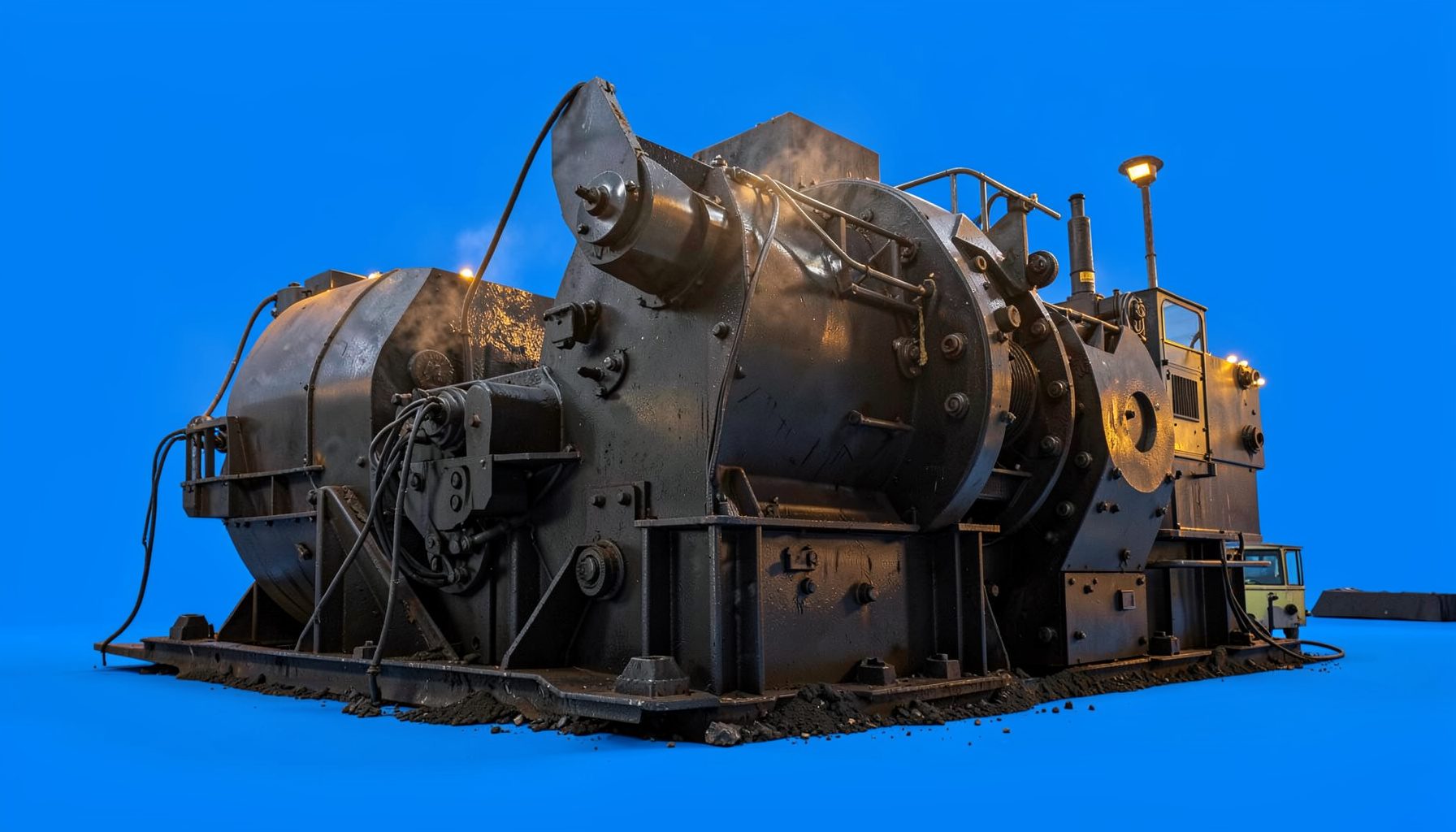
When to Use a Grizzly for Scalping Instead of a Vibrating Screen
Scalping is the first sizing stage in many crushing circuits. Its purpose is to remove undersize material before it reaches the primary crusher, reducing unnecessary work and helping the plant maintain a steady feed rate. The choice between a grizzly and a vibrating screen depends on the material, the required separation, the site layout and the level of control needed over the finished feed.
A grizzly is generally preferred when the feed contains large rocks, heavy lumps, sticky fines or abrasive material that could damage or blind a screen. A vibrating screen becomes more suitable when accurate sizing, higher screening efficiency or the recovery of several product fractions is important. Understanding these differences helps quarry and mining operators select equipment that performs reliably in Australian conditions.
| Factor | Grizzly Feeder or Grizzly Scalper | Vibrating Screen |
|---|---|---|
| Best feed type | Large, heavy, abrasive run-of-mine rock | More consistent, graded or moderately sized feed |
| Typical separation | Coarse removal of fines before primary crushing | Controlled separation into specific size ranges |
| Handling sticky material | Usually more tolerant of clay and wet fines | Can blind or carry material if poorly selected |
| Resistance to impact | Very high with heavy-duty construction | Good, but feed impact may require protection |
| Sizing precision | Low to moderate | Moderate to high |
| Maintenance | Simple bars, liners and drive components | More moving parts, media and tensioned panels |
| Common application | Primary jaw crusher or mobile crushing plant | Product screening and multi-stage classification |
What Scalping Is Meant To Achieve
The main purpose of scalping is to remove material that does not need primary crushing. If natural fines pass around the crusher feed chamber, the crusher can concentrate its energy on oversize rock. This may improve throughput, reduce wear on jaw plates or mantles and lower power consumption per tonne.
A grizzly can perform this duty with a relatively simple arrangement of parallel bars set at a selected spacing. Fines fall through the gaps while large rocks continue towards the primary crusher. In many quarrying and mining applications, the separation is deliberately coarse. The operator may only need to remove material below 50, 75 or 100 millimetres rather than produce a tightly controlled aggregate fraction.
A vibrating screen follows the same broad principle but provides a more active and accurate screening process. Its deck motion helps stratify the material, allowing smaller particles to migrate through the bed and pass through the apertures. This makes the screen more suitable when the plant requires consistent separation across several sizes or when the screened material has commercial value.
The decision should begin with the role of the machine in the circuit. A pre-crusher scalper faces different demands from a final-product screen. Using a high-precision screen for rough primary scalping can add cost and maintenance without improving the final result.
How Grizzlies Handle Coarse Feed
Grizzly bars are designed to accept large rocks directly from a dump truck, excavator or quarry blast area. Their open construction provides a robust first barrier against oversize material. In a static grizzly, the bars remain fixed and rely on the slope and movement of the feed to separate fines. A vibrating grizzly feeder adds controlled motion, helping move material forward while encouraging smaller particles to fall through the bar spacing.
This equipment is particularly effective where feed contains large, angular and abrasive rock. Iron ore from the Pilbara, hard basalt from Victorian quarries and crushed granite in New South Wales can place heavy impact loads on screening equipment. A heavy-duty grizzly feeder can be built with reinforced side plates, replaceable wear liners and robust bearings to withstand this environment.
The open gaps also reduce the risk of a large boulder landing on a delicate screening surface. With a vibrating screen, the feed may need a properly designed chute, rock box or impact area to prevent premature damage to the deck. A grizzly often tolerates direct loading more easily, which is useful in mobile and semi-mobile plants where space for elaborate feed protection is limited.
There are limits to coarse grizzlies. They offer less precise separation, and bar spacing can allow elongated or irregular material to pass through even when its nominal dimension appears too large. If the operation needs a dependable product cut or multiple screened products, a grizzly alone will usually be insufficient.
Where Vibrating Screens Earn Their Place
Vibrating screens are the stronger option when screening efficiency and product specification are priorities. Decks can be fitted with different apertures, allowing one machine to remove fines, separate saleable aggregate and control the feed size entering a secondary or tertiary crusher. Inclined screens are common for general aggregate work, while horizontal or specialised designs can provide better control in particular applications.
A screen is useful when the feed contains a meaningful quantity of material close to the required cut size. A grizzly removes obvious undersize, but it cannot match the classification accuracy of a well-designed vibrating screen. In a concrete aggregate plant near Sydney or Melbourne, for example, the operator may need separate drainage stone, road base and manufactured sand feedstocks. Accurate deck sizing can support these product requirements.
Screen selection must consider aperture shape, deck inclination, stroke, frequency, bed depth and material moisture. The machine needs enough surface area for the required tonnes per hour without allowing the material layer to become too deep. Excessive loading can reduce efficiency and cause oversize particles to carry fines over the discharge end.
Vibrating screens also suit circuits where the undersize has a clear destination. It may be sent to a finished product stockpile, a washing plant, a separate crusher or a blending system. If the undersize is simply discarded or bypasses the primary crusher, the additional precision of a screen may provide little operational benefit.
Feed Material And Site Conditions
Material behaviour is often more important than its nominal size. Dry, free-flowing crushed rock is relatively easy to screen, while clay-rich, damp or weathered feed can form lumps and cover the screen media. In northern Queensland, wet-season conditions may make sticky feed a regular concern. A grizzly with wide bar openings can keep coarse scalping moving when a finer screen deck would begin to blind.
Moisture does not automatically rule out a vibrating screen. Heavy-duty screens, self-cleaning media, ball decks and suitable spray systems can improve performance. However, these additions increase capital cost, water demand and maintenance requirements. Where water is scarce, as it can be around remote Western Australian mine sites, a dry grizzly may be a simpler choice for the first stage.
Abrasiveness also affects the decision. Quartz-rich ore and hard aggregate can rapidly wear screen panels, cross members and chute liners. Grizzly bars can be manufactured from wear-resistant steel and replaced in sections, reducing the effect of localised wear. The bar profile and spacing still need to be matched to the material so that fines do not bridge across the openings.
Feed variability should be assessed over the full operating year. A grizzly may cope well with occasional oversize and changing moisture, while a vibrating screen can deliver better results when the feed is controlled. Sampling the quarry face, stockpile or mine feed gives a more reliable basis for selection than relying on one day of production.
Capacity, Maintenance And Total Cost
A grizzly normally has fewer wear and moving components than a vibrating screen. Static units are especially simple, although they may require an excavator or feeder arrangement to move material across the bars. Vibrating grizzly feeders add a drive mechanism, springs and bearings, yet they remain comparatively straightforward to inspect and service.
The lower mechanical complexity can be valuable at remote Australian sites where access to specialist technicians and replacement parts is limited. A mobile crushing plant operating near Kalgoorlie, Mount Isa or regional South Australia may need to minimise unplanned downtime. Replaceable grizzly bars and liners are generally easier to inspect than a large set of tensioned screen panels, although all parts still require planned maintenance.
A vibrating screen can reduce downstream costs when it removes a substantial volume of fines or produces usable saleable material. Sending fines through a jaw crusher or cone crusher wastes energy and increases wear. Conversely, installing a screen that offers no useful separation adds a drive motor, structural steel, screening media and maintenance labour to the plant.
Capacity calculations should include peak feed, not only average production. A grizzly may accept very high-impact feed but become inefficient if the bar spacing is too narrow or the bed depth becomes excessive. A vibrating screen may provide excellent separation at its rated load but lose efficiency when overloaded. The correct choice balances tonnes per hour, feed size distribution, moisture, duty cycle and available power.
Choosing The Right Configuration In Australia
For a primary crushing station handling blasted rock, a vibrating grizzly feeder is often a practical starting point. It can absorb heavy feed, meter material to a jaw crusher and remove a proportion of fines before crushing. Shanghai CME Mining and Construction Machinery Co., Ltd. supplies crushing and screening equipment, including vibrating feeders, jaw crushers, conveyors and mobile crushing plant configurations that can be arranged around this type of duty.
A static grizzly may be adequate at a dump pocket, under a rock box or ahead of a mobile jaw crusher when the feed is already controlled. It can also work as a coarse scalping stage in a compact quarry circuit. The design should provide safe access for clearing oversize, appropriate guarding and a slope that supports steady material flow without excessive blockage.
A vibrating screen is preferable where the operation sells several aggregate grades, needs a defined crusher feed or must recover as much usable undersize as possible. It is commonly selected after primary crushing, before a cone or impact crusher, and in final screening stages. Conveyor arrangement is important because poor transfer points can create segregation, dust and unnecessary recirculation.
Local operating conditions should shape the final specification. Australian work health and safety expectations call for guarding, lockout procedures, safe maintenance access and controlled removal of blockages. Dust suppression may be required near population centres such as Perth, Brisbane or Adelaide, while remote mines may prioritise diesel-electric flexibility, transport dimensions and parts availability. A grizzly is the better choice when coarse, difficult feed and rugged simplicity dominate the duty; a vibrating screen is the better choice when accurate separation and product control justify the added complexity.