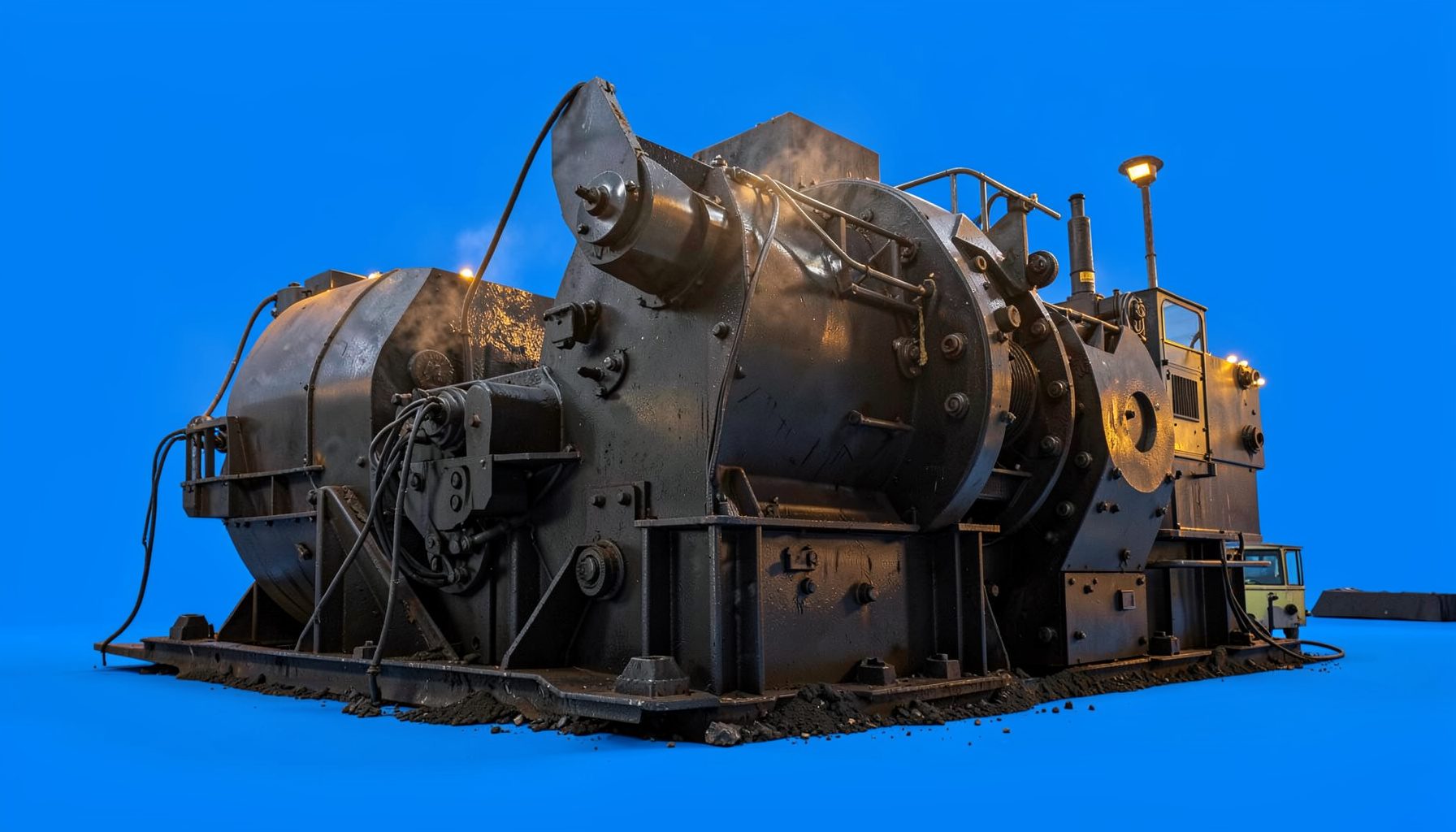
Water Spray Systems for Dust Control at Conveyor Transfer Points
Conveyor transfer points are small parts of a production line, yet they can generate disproportionate dust. As lumps fall from a feeder into a chute, collide with the belt and break apart, fine particles are released into the air. The same action lifts dust from return belt strands and disturbed spillage. A control applied at that impact zone can contain the release before it reaches neighbouring plant, roads or workers.
A water spray system reduces this hazard at its source by directing fine droplets into the dust cloud before it spreads. The aim is to capture airborne particles and settle dust on surfaces without soaking the belt or turning dry material into a sticky handling problem. Sprays work alongside enclosure, skirt seals, housekeeping and extraction. Their performance depends on nozzle placement, water quality, pump capacity and reliable maintenance, not simply the presence of a hose.
These concerns are familiar across Australia. A Melbourne quarry may operate close to suburban traffic, while a Perth distributor handles bulk material through the dry summer. Brisbane yards also face intense seasonal rain. Australian site routines commonly include prestart checks, job hazard analyses and toolbox talks alongside sweeping and water-cart dust suppression. A control that saves time during normal production must still work during breakdowns, high feed rates and hot, dry operating periods.
Shanghai CME Mining and Construction Machinery Co., Ltd. supplies the crushing, grinding, screening, washing and conveying equipment used around transfer points. Its range includes jaw, cone and impact crushers, sand-making machines, vertical mills, trapezium mills, vibrating feeders, conveyors and mobile crushing plants. On international projects, material flow, dust control, service access and safety need to be considered together rather than as isolated equipment purchases.
Why transfer points need focused dust control
At a transfer point, material loses the support that carried it before the drop. Impact fractures larger particles, while belt movement abrades their surfaces. Fine material is carried by the airstream created by the falling stream and belt speed. Dust escapes through an open chute, skirt seal or worn curtain, and resuspension can continue after the main surge. A spray positioned at the impact zone can suppress that initial burst more effectively than wetting the belt downstream.
Nozzle location therefore matters. The system should address the loading stream, chute walls and escape routes without directing unnecessary water onto idlers or drive bearings. Design inputs include material size, moisture, belt loading and conveyor direction. Dry, fine rock usually demands more attention than moist feed, but excessive water can make fines adhere to the belt, reduce traction and create clean-up work at the return point.
The equipment context matters when a fixed conveyor feeds crushing or screening. Published product specifications provide a useful cross-check for conveyor, feeder and plant requirements. In mobile installations, controls must be compact, protected from vibration and connected to the starting sequence so dust is not generated before suppression is available.
How an engineered spray system controls dust
An effective installation normally includes a water supply, pump, filtration, pipework, nozzles and controls. These may be fed from mains, a dedicated tank or a recycled process-water system. The pump must maintain the pressure required by the selected nozzle at the furthest point in the network. Oversizing the pump is not a cure: nozzles forced outside their intended range can produce coarse droplets, poor coverage and wasted water.
Atomised water is not simply a stream of large drops. Nozzle type, spray angle, pressure and stand-off distance determine whether droplets capture airborne fines and penetrate the dust cloud. Air-assisted fogging can improve suspension of very fine particles, but it needs clean air and careful control. Coarser sprays may suit visible dust or pre-wetting, yet they settle quickly or leave the belt overloaded with water.
Water quality changes performance. Hard water promotes scale, while suspended solids and algae can block or distort the spray. Filters, descaling and planned backflushing belong in the design. In a closed-loop system, recirculated water should be monitored so settled solids are removed and the water does not become an additional contamination source.
Comparing approaches for dust suppression
No single method suits every transfer. The comparison below focuses on how each approach controls dust at impact, what it adds to plant operation, and where it is most practical. The strongest arrangement often combines methods rather than relying on one.
| Approach | Dust control at the transfer point | Operating effect | Typical application |
|---|---|---|---|
| Water spray system | Droplets capture airborne fines at impact and settle escaping dust | Adds water demand, filtration and nozzle maintenance | Open or semi-enclosed transfers with manageable drainage and water quality |
| Enclosed transfer with extraction | Contains the impact zone and captures released dust at a controlled outlet | Requires seals, access space, extraction and greater capital investment | High-risk transfers near workers, roads or property boundaries |
| Water-assisted fogging | Suspends very fine particles for extraction or capture | Increases power, clean-air and maintenance requirements | Very fine dust where a matched extraction system is available |
| Dry suppression | Coats particles and reduces their release into the air | Uses consumables and may alter product moisture | Sites with restricted water or unsuitable recycled-water quality |
Water spray systems use familiar components and suit many routine transfer points, provided flow, filtration and nozzle protection are dependable. Enclosure contains both dust and noise, but a poorly sealed design can simply move the plume elsewhere. Fogging is not an upgraded hose; its energy, extraction and maintenance demands must match the particle size. Dry suppression preserves product moisture but requires suitable additives and careful application.
Choice should follow a measured dust risk, not the assumption that the most visible plume creates the greatest health exposure. Water availability, environmental controls, maintenance capability and production priorities all affect the practical answer. In some plants, a modest spray system combined with sealing and better housekeeping performs more reliably than an elaborate system that cannot be maintained.
Design choices for Australian operating conditions
Climate shapes the installation. Perth’s dry summer increases evaporation and dust generation, while Brisbane’s intense seasonal rain requires protected pumps, pipework and electrical components. Melbourne’s urban sites must also manage runoff, nearby roads and neighbours. Recycling water where practical reduces consumption, but it must not compromise hygiene or equipment life.
Safe Work Australia guidance on respirable crystalline silica should be considered alongside the applicable state work health and safety laws. Those duties call for hazard assessment, exposure control and appropriate monitoring. A spray system can be an important control, but its presence does not by itself demonstrate compliance. Operators should establish whether enclosure, isolation or a different handling method is needed, then verify the result with representative sampling.
The Australian market also adds a serviceability requirement. Imported machinery needs technicians who understand the installed arrangement, with critical spares available before a failure stops a conveyor. Remote operations turn minor nozzle or pump faults into major access problems. Independent dust control guidance can complement site-specific professional advice, while contractor documentation should cover isolation, lockout, fall protection and safe work at height.
Installation, maintenance and performance checks
Commissioning should confirm nozzle coverage, working pressure, water consumption and belt speed under load. Inspect nozzles for wear and misalignment and check pipework for leaks. Interlocks can prevent a conveyor starting until water flow is proven and stop the spray after the last material passes. Where neighbours are sensitive, monitors should sit away from direct discharge, with records showing when suppression operated.
Maintenance should be part of normal operating habits. Daily checks can cover damaged nozzles, leaks and blocked guards; scheduled cleaning can address filters and deposits; and periodic tests should verify pump pressure and valve action. Control-room staff need clear fault codes and safe reset instructions. At remote FIFO sites, condition-based monitoring and stocked critical parts can prevent extended production losses, while trained local technicians support consistent operation.
Mobile crushing plants need the same discipline in a tighter package. Published mobile plant options are a useful reference when comparing conveyor layouts and support arrangements, but the dust system still needs project-specific design. A compact tank, pump and filtration package should be secured against vibration, accessible for service and isolated from crusher work areas. Water must not wet electrical components or create a slip hazard on access platforms.
Performance is best judged with agreed indicators: airborne dust levels, visibility, housekeeping, water use and unplanned downtime. Baseline readings should be taken before commissioning and repeated under representative loads. When feed rate or material moisture changes, nozzle coverage and consumption should be reviewed. Shanghai CME can support equipment selection and project coordination through its Shanghai headquarters, with the final spray arrangement adapted to the host country’s water, safety and environmental requirements.