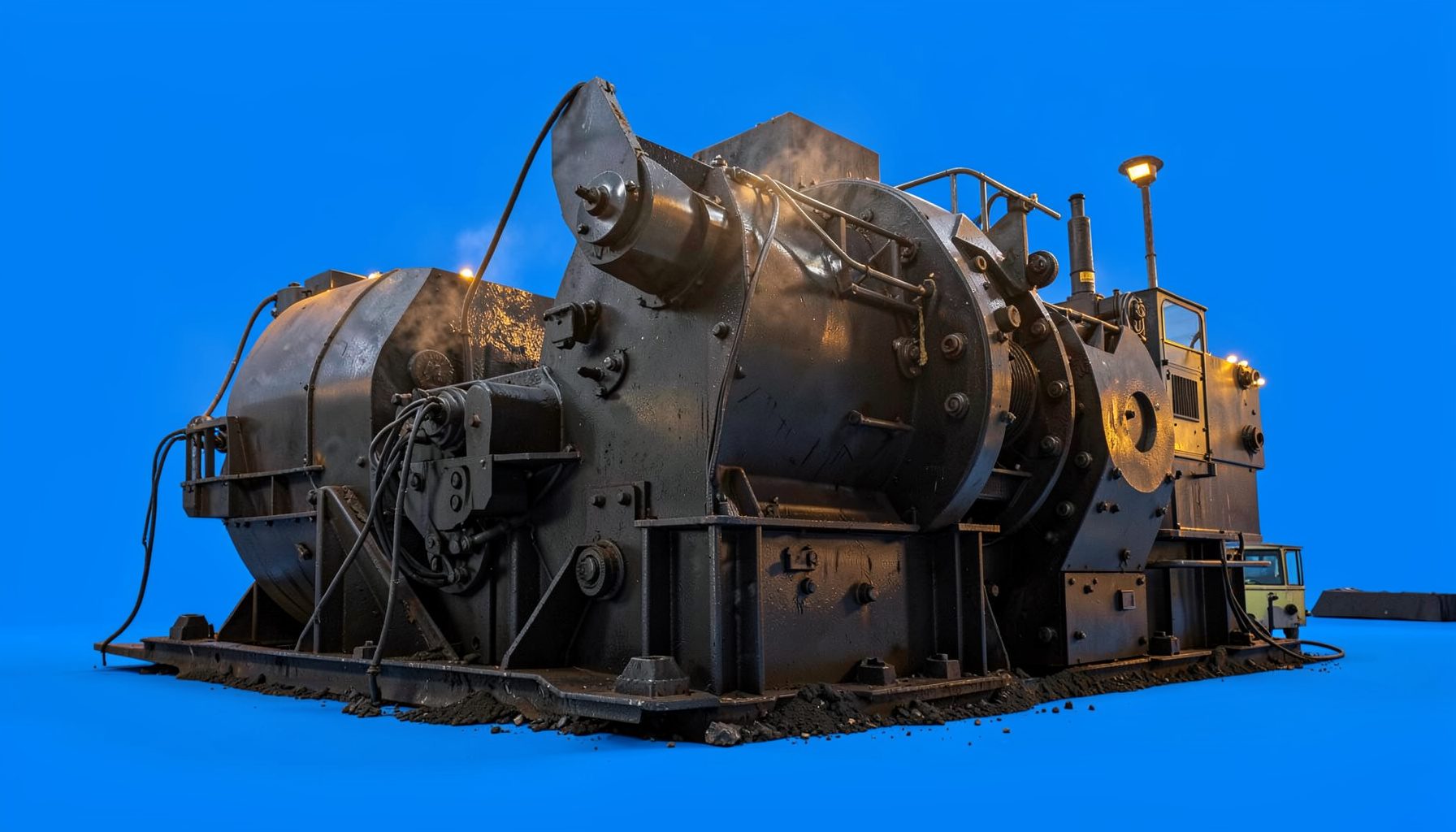
Benefits of magnetic separators for cone crusher protection
The benefits of using a magnetic separator to protect your cone crusher are operational as well as financial. Steel bars, dropped tools, broken drill components and other ferrous debris can enter run-of-mine feed through jaw crushers, screens and transfer points. Positioned upstream of the cone crusher, a magnetic separator removes this tramp metal before it reaches the crushing chamber, where it can damage liners, bearings and other high-value components.
Protection is only part of the design challenge. The separator must suit the ore, conveyor and local maintenance regime, because an incorrectly configured magnet may also remove valuable magnetite. Across Australia’s Pilbara, Kalgoorlie, Hunter Valley and Victorian quarry regions, operators face demanding production targets, long transport routes and substantial replacement-part costs. The following sections explain where magnetic separation adds value, what it can catch and how to build a practical installation around local conditions.
Why cone crushers need metal control
A cone crusher is designed to reduce rock between the mantle and bowl liner, not to swallow steel. In a quarry or mine, that steel may arrive as a rebar offcut, a broken drill component or a crusher backing plate that has slipped through an upstream screen. Jaw plants and mobile crushing equipment can also pick up site debris during feed-pocket work. Once an object enters the chamber, it can lodge near the closed setting and force the unit to trip or stall.
The consequence is rarely just one damaged part. A sudden overload can produce liner cracking, damage to the main shaft or gear components, and excessive wear on high-cost wear parts. Hydraulic pressure can rise, the feed can bridge, and crews may need to enter the chamber to clear the obstruction. That turns a routine belt or screen problem into an unplanned shutdown, with cranes, fitters and replacement components mobilised at short notice.
Prevention is safer and usually faster than recovery. Screening and picking help, but they depend on human attention and work well only when the feed is visible. An automatic magnetic device provides a second barrier at a known point. Published advice on cone crusher optimisation also shows why stable feed and correct chamber settings matter: protection works best when the crusher is already operating within its normal duty rather than reacting to avoidable overloads.
How magnetic separation fits the feed circuit
For most aggregate operations, the separator belongs on the conveyor feeding the cone crusher, ideally where a ferrous object can be lifted clear before it reaches the transfer chute. An overhead cross-belt magnet can discharge collected steel into a locked-off bin, while a magnetic drum may be more practical where space is limited. The exact position depends on conveyor speed, belt loading, chute geometry and the amount of steel likely to enter the stream.
Broader crushing equipment guidance can help operators compare how feeders, screens, crushers and magnets work as a circuit. The magnet should be specified around the actual conveyor duty rather than selected by motor power alone. Magnet strength, belt width, suspension gap, incline and material burden all influence capture. A cleaner positioned too far from the belt may leave recoverable steel behind, while poor alignment can pull the belt toward the magnet.
A magnetic separator normally captures ferromagnetic material, including most steel tramp. It will not reliably remove aluminium, copper, timber, plastic or stone. Those hazards need screening, metal detection, picking or feed-control measures as well. The installation should also have a safe discharge path and enough clearance for captured objects; otherwise, a valuable protection system becomes an obstruction waiting to happen. Site-specific trials provide the final check.
Operational and product-quality gains
The clearest gain is reduced unplanned downtime. Catching steel before the cone crusher avoids emergency stoppages, hot work, confined-space entry and crane lifts around a damaged machine. It also reduces demand for replacement liners, shafts and bearings. For contractors chasing shift tonnes, reliability can matter more than the separator’s purchase price because one lost feed day can outweigh many months of magnet maintenance.
A clean crushing chamber also supports a consistent closed side setting. Without tramp metal, the cavity is less likely to stall, overfill or suffer liner deformation. Throughput becomes easier to hold, and the product curve is less disturbed by repeated trips and clearing. Better liner life can reduce power draw because the crusher is not fighting excessive wear or unstable feed. Downstream separation and transport benefit from fewer oversize fragments and a steadier belt load. For belt suppliers and operators reviewing the wider handling circuit, belt selection information offers an external reference for further comparison.
Automatic protection also removes people from the task of spotting hazards in moving feed. That improves safety without asking a worker to stand close to a running conveyor. Modern units can report belt failure, excessive temperature or loss of magnet performance, allowing the control room to stop the feed before debris passes. Data must still be checked by operators: a warning light that nobody treats seriously offers little protection.
Designing for Australian sites
Australian ore bodies require careful application. In the Pilbara, run-of-mine iron ore may contain naturally magnetic magnetite, so a magnet installed without an ore-recovery trial could pull saleable material out of the product stream. Engineers need to consider magnetic susceptibility, particle size, liberation and magnet recovery rather than assuming all magnetic material is rubbish. At a magnetite-rich operation, the circuit may need a separation profile that rejects coarse steel while retaining valuable fines.
Conditions differ sharply across Kalgoorlie’s gold mines, the Hunter Valley’s coal operations and smaller hard-rock quarries. Feed moisture, fines and tramp-metal frequency will vary, as will belt loading and shutdown windows. Some operators run mobile or contract-crushing equipment, where a fixed separator can be impractical; others run continuous plants where a missed steel object can stop the whole section. Grinding equipment options are worth considering when tracing how crushing performance affects downstream milling, especially where stable product size reduces the load on the mills.
The Australian market also shapes the business case. Much equipment is imported, while service is delivered through OEM dealers, regional engineering firms and local workshops. Remote FIFO sites value dependable parts and clear escalation paths, and a fixed magnet must survive long periods between planned shutdowns. In Melbourne and other capital cities, quarry operators may face tighter noise, dust and workplace rules. Compliance is not a box to tick: an unsafe magnet bin or damaged guarding can stop an installation just as quickly as poor capture.
Installation, monitoring and crew routines
Installation begins with a walk-through of the entire route from the ROM pad to the cone crusher feed. Check where steel is most likely to enter, how the conveyor is loaded, where the magnet can discharge and whether collected material can be removed without returning it to the circuit. Guard the magnet, belt and discharge chute, and keep hands clear. An interlock should stop the feed when the magnet reports a serious fault or its cleaning system fails, rather than allowing unprotected material to continue.
Training should use the language crews already use on site. In Australian hard-rock operations, fitters might say the separator has “lost its pull” when magnetic performance falls, while a supervisor may call a paused plant a “hold” before a controlled shutdown. These phrases are useful shorthand, not diagnosis. Operators need to distinguish between a blocked magnet, a failed belt, contaminated metal and an actual reduction in magnetic recovery. A simple fault card with photographs and clear escalation steps prevents guesswork.
Preventive maintenance should cover belt tracking, scraper alignment, magnet strength, electrical supply, sensors and the discharge chute. Keep ferrous build-up from reducing the gap, and record capture performance by shift. When a new crushing circuit is specified, the Shanghai-based manufacturer Shanghai CME Mining and Construction Machinery Co., Ltd. offers cone crushers, feeders, conveyors, mobile crushing plants and related crushing and grinding equipment for international markets. Independent product information resources can help buyers compare configurations, capacities and support requirements before settling on a separator strategy.
Comparing the protection options
The business case should compare the cost of protection with the cost of a single damaging event, not with sales brochures. Include lost production, crane and labour charges, liner replacement, engineering time and the risk of secondary damage. A magnet that prevents one serious tramp-metal incident per year may already justify the installation. Conversely, if the feed contains little steel, a lower-cost magnetic drum or screened feed arrangement may be sufficient. The right answer is site-specific.
The comparison below separates common choices by capture method, operating advantage and main limitation.
| Protection method | What it catches | Main advantage | Main limitation |
|---|---|---|---|
| Overhead cross-belt magnet | Ferrous steel and other strongly magnetic debris | Effective capture with a visible collection point and self-cleaning options | Higher cost and careful belt-clearance requirements |
| Magnetic drum | Ferrous material in suitable conveyor conditions | Compact arrangement with relatively simple maintenance | Performance can fall with high belt speed, deep loading or valuable magnetic ore |
| Crusher-side metal detector | Ferrous and some non-ferrous metals | Detects objects that a magnet cannot attract | Does not capture the object and requires a controlled feed shutdown |
| Screening, picking and feed control | Visible steel, oversized debris and general foreign material | Low-cost when feed conditions and workforce attendance are reliable | Depends on people, visibility and consistent operating practice |
None of these methods replaces sound feed control, stable crusher settings or regular plant inspection. Magnetic separation provides the greatest benefit when it is correctly positioned, maintained and matched to the material being processed. An upstream magnetic separator is therefore more than an extra box beside the cone crusher: it is a practical safeguard for uptime, safety, wear control and product quality across the crushing circuit.