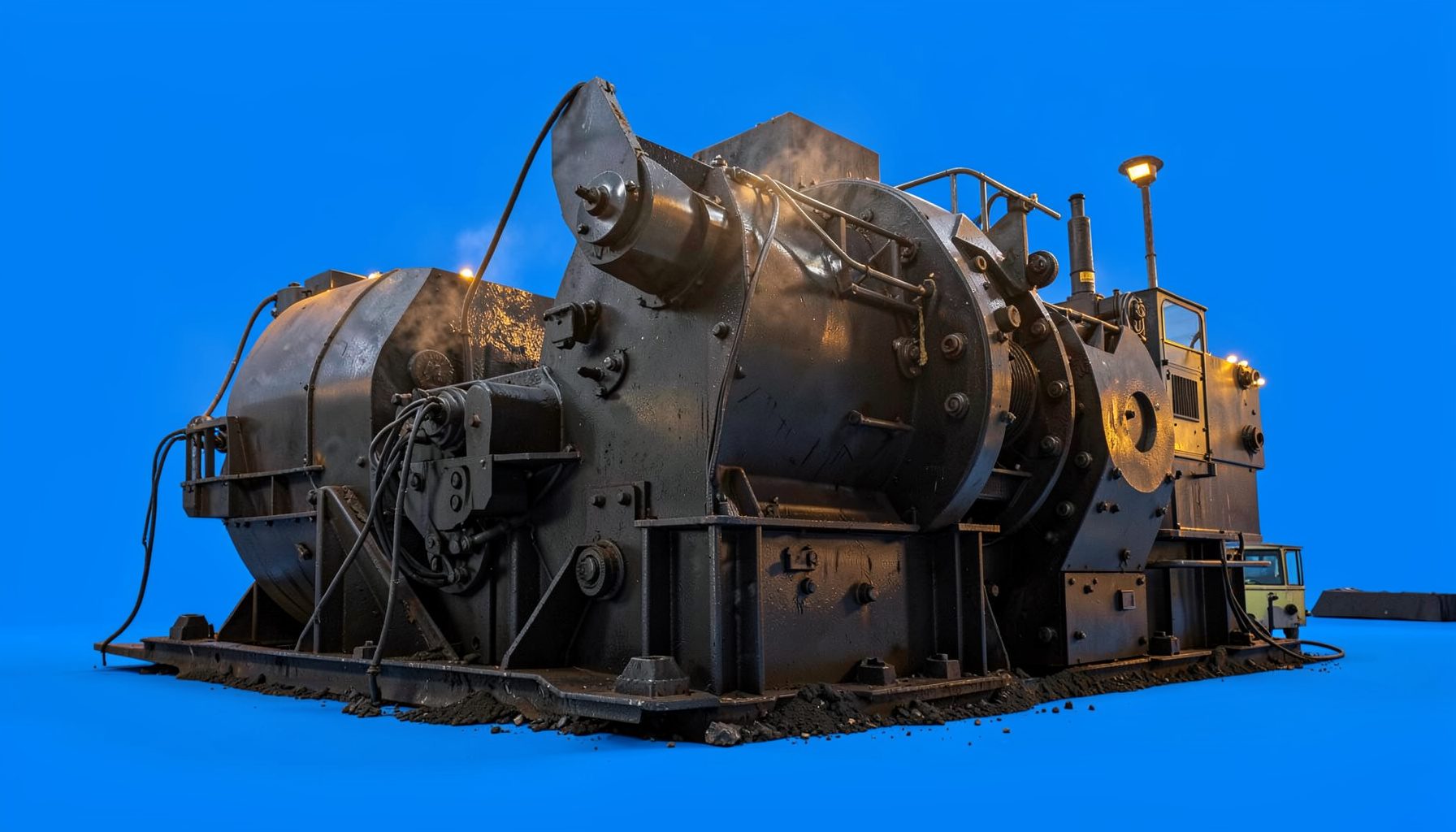
The Advantages of Using a Cone Crusher for Pebble Crushing in Mills
Pebble crushing is the final size-reduction step in many mineral-processing circuits, taking screened stones from primary crushing, autogenous mills or semi-autogenous mills and preparing them for flotation, separation, grinding or stockpile. In these duties, the cone crusher is valued for controlled reduction, dependable capacity and a product that is easier to handle downstream. Shanghai CME Mining and Construction Machinery Co., Ltd. supplies cone crushers alongside jaw, impact and sand-making machines, vertical and trapezium mills, feeders, conveyors and mobile crushing plants for quarry, construction, cement, mining and aggregate operations.
For Australian operators, those benefits must survive long supply routes, abrasive feed, variable weather and strict safety and environmental duties. A machine that performs well in a generic brochure can still lose value through downtime, inconsistent settings or difficult access to wear parts. The value of a cone crusher in a pebble-crushing circuit therefore depends on chamber design, liner metallurgy, lubrication, control logic and its integration with screening and conveying equipment.
Consistent Product Size and Throughput
A cone crusher reduces material between a stationary crushing bowl and a rotating mantle, with the eccentric bush creating the motion that compresses and fractures the feed. The chamber geometry gives operators room to select a closed-side setting, or CSS, that balances product size against throughput. A properly sized CSS produces a narrow size band without excessive fines, which is valuable when pebbles are already close to their target dimension.
Consistent sizing also reduces screen load and helps prevent a surge from overloading the next stage. Choke feeding keeps the chamber full, improves contact between rock and liners and generally gives steadier power draw than a light, intermittent feed. Automatic hydraulic CSS adjustment can compensate for wear, while vibration, bearing temperature, oil pressure and motor-current trends give operators early warning that the setting or feed condition has changed.
Water and groundwater conditions matter around coastal mills. In Western Australia and other marine environments, saline groundwater may influence drainage and corrosion decisions; a specialist groundwater profiling assessment can help distinguish fresh and saline zones before water-handling equipment is specified. This does not replace crusher selection, but it supports safer site-wide decisions on pumps, pipes, electrical enclosures and foundation drainage.
Better Product Shape for Downstream Processing
The controlled compression action of a cone crusher tends to produce a more equidimensional product than a single-shear jaw crusher. Its closed-circuit arrangement can return oversize particles for further reduction while directing undersize toward the product stream. Equidimensional particles pack more consistently on conveyor belts and respond more predictably in mills, screens and separation plants. For aggregates, a well-shaped product supports cleaner sizing and less segregation; for mineral processing, fewer elongated slivers can improve liberation and downstream screening performance.
The key qualification is that shape depends on feed conditions. Slabby or highly fractured material, an overloaded chamber or worn liners can produce a less uniform product regardless of machine type. Cone crushing works best when the feed is within the chamber’s optimum ratio, the CSS is correctly calibrated, and the discharge conveyor removes material promptly. The result is a controlled pebble stream rather than a mixture of oversized stones and excessive fines.
Size measurements should be tied to the plant objective, not a single laboratory result. Screens and sampling systems provide the operational check, while engineers compare average size, top-size fraction and fines content. General process engineering resources can help structure that analysis, but representative site data and metallurgical testing remain the decisive inputs for selecting a cavity, eccentric throw and motor power.
Efficient Secondary and Tertiary Crushing
Secondary and tertiary duties suit the cone crusher because its chamber and crushing layers can be selected for the required reduction. A conventional cone crusher is often preferred over a jaw crusher for the harder, more abrasive pebbles produced after primary crushing. An impactor can still be effective in softer rock and at high reduction ratios, yet excessive impact may create fines and generate wear on the rotor and blow bars.
The benefits become clearer when the circuit is designed around pebble size. Screening after the primary stage removes fines and undersize, while the cone crusher handles only material that needs further reduction. Closed-circuit screening can return oversize to the crusher for a second pass, producing a controlled final size before the feed enters a SAG mill, grinding mill or separation circuit. This arrangement avoids using a large crusher to resize particles that were never going to need crushing.
Equipment comparisons should include more than headline power and capacity. Published crushing equipment guides can provide a useful starting point for checking how jaw, cone and impact machines serve different stages. Final selection should use the actual pebble gradation, moisture, abrasiveness, desired CSS, feed rate and required product shape, including peak-load conditions and available plant footprint.
Durability and Predictable Maintenance
Long service life comes from matching wear parts to the rock. Manganese-steel liners, cavity bands, step liners, bushings and backing assemblies must be specified for impact and abrasion levels rather than copied blindly from another site. A cone crusher that is correctly sized and fed tends to spread wear more evenly, while persistent liner cracking, liner movement or abnormal vibration can indicate poor feed distribution, insufficient clamping or a cavity matched incorrectly to the application.
Routine maintenance should treat lubrication, adjustment and inspection as one system. Oil pressure and temperature show whether the gear set and bush are working correctly; filter condition and contamination checks protect bearings and the vertical shaft; hydraulic pressure confirms that the adjustment system can hold the CSS. Seals, dust exclusion and the condition of the feed hopper deserve particular attention because abrasive dust and contaminated oil shorten component life.
Access matters across Australian fly-in, fly-out operations. Technicians may travel from Perth to Pilbara sites or from regional centres, so critical spares, clear fault codes and remote condition monitoring can prevent a minor fault becoming a major wait for a field crew. A well-organised equipment product catalogue helps maintenance planners match replaceable assemblies and establish a disciplined parts list rather than relying on improvised substitutes.
Australian Sites and Regulatory Reality
Australian demand spans iron ore in the Pilbara, coal in Queensland and New South Wales, construction aggregates around Melbourne, Sydney, Brisbane, Adelaide and Perth, and mineral-processing projects across the country. These markets use different feed sizes and acceptance specifications, but many plants value a pebble crusher that can maintain steady output through long production campaigns. Local operators also expect machines to integrate with conveyor systems, dust suppression, water recovery and SCADA or PLC control.
Safety compliance is not optional. Safe Work Australia’s model work health and safety laws are adopted through state and territory legislation, with duties covering plant design, guarding, isolation, maintenance access, training and risk assessment. A crusher package should therefore include adequate lifting points, lock-out procedures, clear manuals and an Australian-compatible electrical installation. Site-specific rules still apply, so standards and procedures need review against the relevant jurisdiction and the mine or quarry’s safety management system.
Transport and environmental controls add another layer. Oversize machinery movements require route assessment and state permits, while fatigue, vehicle condition and load restraint remain governed by national and state road rules, including Chain of Responsibility obligations. EPA licences and local council requirements commonly address dust, noise, stormwater and discharges. Controlled water use, routine housekeeping and sealed transfer points support both compliance and liner life, particularly at sites near sensitive groundwater or residential areas.
Integrated Plant Support and Service
An integrated supplier can coordinate the cone crusher with feeders, screens, conveyors, vertical mills and trapezium mills, reducing interface problems during installation and ramp-up. When a pebble circuit is reviewed as part of a wider quarry upgrade, an overview of complete crushing solutions is useful for checking how the crushing and grinding stages share one material flow. Mobile crushing plants may also suit temporary works, but they do not replace the benefits of a fixed, tightly controlled pebble circuit in a high-volume mill.
Commissioning should begin with verified foundations, power, lubrication and guarding, then move through no-load checks, feed trials and CSS optimisation. Operators should record motor current, oil readings, vibration levels, product gradation and any tendency to produce fines. The same baseline lets maintenance teams detect wear before it affects recovery, scheduling or product quality. Training for crusher operators, electricians and mechanical crews is especially valuable in regional Australian workplaces where responsibility can span several shifts.
Shanghai CME states that its equipment is sold internationally and provides product information and contact details for its Shanghai headquarters. For Australian buyers, that global manufacturing base can be balanced with regional parts planning, clear technical documentation and responsive commissioning support. The strongest case for a cone crusher comes from the whole circuit: controlled reduction, consistent product, manageable wear and dependable integration. Used in that system, a pebble crusher can improve mill efficiency while giving operators a more stable feed for the processes that follow.