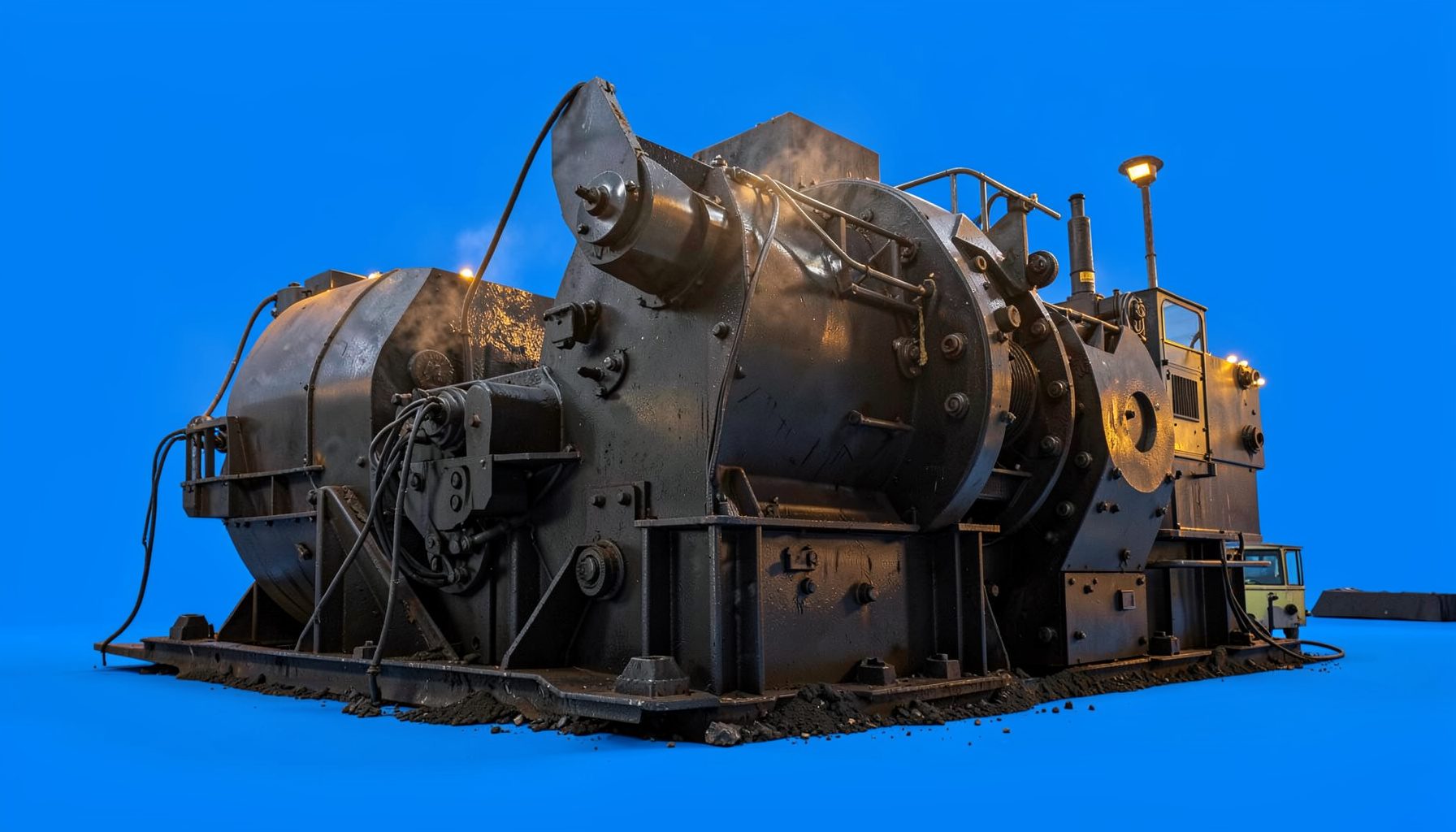
Improving Trapezium Mill Efficiency With Roller Pressure
A trapezium mill turns pressure into useful size reduction by trapping feed between rotating rollers and the grinding table. Roller pressure changes the bed depth, normal grinding force, power draw and rate of particle breakage. Improving the efficiency of your trapezium mill by adjusting roller pressure therefore means producing more saleable tonnes per hour at an acceptable product size, not simply forcing the rollers harder. The correct setting depends on feed hardness, moisture, roller gap, separator performance and the condition of the mill.
Australian operators usually judge results in practical terms: higher tph, lower circulating load, fewer kilowatt-hours per tonne, stable vibration and product that meets the buyer’s specification. Those goals matter at Pilbara hard-rock plants, Hunter Valley coal operations, Bowen Basin mineral-processing circuits and Melbourne or Sydney aggregate facilities. The same operating word—pressure—can refer to hydraulic cylinder force, spring force or nitrogen precharge, so the manufacturer’s definitions and limits must govern any adjustment.
| Observed pattern | Likely meaning | Roller-pressure response | Verify with |
|---|---|---|---|
| Coarse discharge and low output | Pressure may be too low or the feed gap too wide | Increase within the approved range | Feed size, roller gap and separator speed |
| High differential pressure and motor load | Material is difficult to grind or the bed is not penetrating efficiently | Correct feed conditions before changing force | Feed hardness, moisture and circulating load |
| Strong vibration or roll hammering | Uneven feed, worn components or misalignment | Avoid increasing pressure to mask the fault | Roller condition, feed splitter and bearings |
| Excess fines and rising energy use | Over-compression or inefficient classification | Reduce within the approved range | Sieve analysis and reject-stream flow |
| Stable output but incorrect product size | Classification or upstream settings may be the main issue | Leave pressure unchanged until diagnosed | Screen performance and crusher settings |
Establish a reliable operating baseline
Begin with one steady operating period and record feed tph, roller pressure in the unit specified for the machine, mill differential pressure, main-motor kW, separator speed, roller gap, vibration and discharge sizing. Capture both product top size and fines content because an apparent tph gain can simply move too much material into the reject stream. Where the circuit operates in closed-circuit mode, note circulating-load tph as well. The baseline should represent normal feed and production rather than start-up, maintenance or commissioning conditions.
Australian crews are familiar with ROM feed, surge bins, stockpiles and the problems created when a dry Pilbara stockpile is wetted by rain. Coal-feed variability across a Hunter Valley or Bowen Basin seam can be just as important as average laboratory hardness. Keep feed samples by shift, test size distribution and moisture, and compare them with the product specification. For cement clinker, include the required fineness; for a quarry mineral, record the grind size needed by the next separation stage.
Pressure sits within a wider flowsheet, so check whether the feeder, crusher, classifier, conveyor and dust system are stable before altering it. A supplier’s processing equipment range is useful for seeing those interfaces. Shanghai CME Mining and Construction Machinery Co., Ltd. can support a coordinated review across crushing, grinding, screening, washing and mineral-processing equipment. The aim is to preserve one approved configuration for each product rather than treating the mill as an isolated machine.
Diagnose before changing pressure
Keep roller pressure separate from mill differential pressure, which reflects gas flow and bed resistance across the mill. Use symptoms to identify the constraint. Low output with coarse discharge often points to insufficient grinding force, but it can also come from an oversized feed gap, poor separation or worn rollers. High differential pressure with rising kW can indicate material that is difficult to penetrate; increasing force may improve breakage but can also raise mechanical stress. Strong vibration or a fluctuating current draw calls for inspection, not a simple pressure increase.
Upstream settings influence the answer. A closed-side crusher setting affects the size distribution and quantity of material entering the mill, so a practical crusher discharge setting guide should be used alongside mill observations rather than as a stand-alone rule. Track every crusher change because a nominal feed tph can conceal a shift toward larger or harder particles. Recalibrate the baseline after upstream work and allow the circuit to stabilise before judging the mill.
Also separate classification failures from grinding failures. If pressure is correct but the separator returns coarse material, the classifier may need adjustment or repair. If feed arrives unevenly, one roller can work harder than the other; centralise the stream and check the feed splitter. Soft or damp material may form a thick, slippery bed, while hard, dry rock needs more force but can damage the circuit if pressed beyond the OEM limit.
Adjust pressure safely and verify the response
Isolate and lock out the mill before changing a hydraulic setting, spring preload or nitrogen charge. Follow the model-specific manual for depressurisation, access, guarding and restart procedures. Do not convert a hydraulic-pressure reading directly into roller force or copy a bar value from another mill, since cylinder area, lever geometry and spring design differ. Shanghai CME should provide the approved pressure range, adjustment method and torque or sequence details for the supplied machine.
Change one variable at a time in small, authorised increments. After each change, return to the normal feed rate, allow the mill to stabilise, record electrical load and differential pressure, and take a timed product sample. Compare specific energy in kWh per tonne as well as output. More pressure may improve the grind while reducing tph; less pressure may increase throughput while leaving coarse particles. If vibration, noise or mechanical stress rises outside the established operating band, return to the last stable setting.
Verify the result through laboratory analysis rather than visual judgement alone. Sieve analysis can show top size and fines, while cement applications may also need a Blaine or equivalent fineness test. For equipment selection, calibrated precision measurement instruments can help establish the measurement chain; where the contract requires it, use an independent Australian laboratory. Record the date, operator, pressure value, feed condition and every process change so the next adjustment begins from evidence.
Match pressure to changing feed conditions
Treat feed variation as a control input. A harder or drier feed can require a higher approved force within the mill’s design range, while softer material may need lower pressure, better feed distribution and controlled moisture. Do not add water by instinct: wetness can improve bed behaviour in one circuit and cause slurry or coating problems in another. The aim is a stable, thin bed that the rollers can break efficiently without over-compressing softer particles into unwanted fines.
Product targets also change the best setting. In aggregate production, pressure that generates excessive fines can reduce yield and increase the dust-control load. In cement grinding, inadequate fineness can force a separator adjustment and raise circulating load. In mineral processing, excessive pressure may overgrind valuable material before flotation or another separation method. Select a target from the specification, then optimise the combination of roller force, feed gap, separator speed and discharge opening rather than one isolated number.
Where grinding feeds a washing plant, watch the interaction between fines and water demand. Over-compression can create more slimes, while poor classification can send coarse particles to the washer and waste capacity. The sand washing performance guidance is relevant to that downstream bottleneck, although washing cannot replace stable grinding control. Measure wash-water use and product loss during trials, then confirm that any apparent mill gain survives the full flowsheet.
Control the gain through daily monitoring
Keep operating gains visible from shift to shift. Australian crews often describe a circuit as dialled in when feed, load, vibration and product remain stable. Translate that practical knowledge into a short checklist covering pressure, kW, differential pressure, tph, feed moisture and product sizing. Trend the values, investigate deviations early and tag the settings used for each feed type. This is particularly useful for night crews and remote sites where the next operator may not know what an earlier shift changed.
Remote operating conditions raise the cost of an avoidable failure. Pilbara and Hunter Valley sites can face long supply routes, extreme heat and dust, while wet weather can change stockpile behaviour between shifts. Australian buyers therefore need clear drawings, model-specific spare parts, training and a documented support path, whether that support comes from Shanghai CME or a local service organisation. Confirm access to rollers, table liners, seals and sensors before the pressure trial, and plan a rollback to the known-good setting.
The same handover discipline applies when a grinding circuit feeds flotation. A flotation plant commissioning guidance illustrates why feed alignment, stable density and agreed operating parameters matter across a new flowsheet. For a trapezium mill, the final acceptance record should tie the approved roller-pressure range to feed specifications, tph, kWh per tonne, product sizing and vibration limits. That creates a repeatable operating baseline and lets the site distinguish a genuine efficiency gain from a temporary change in the feed.