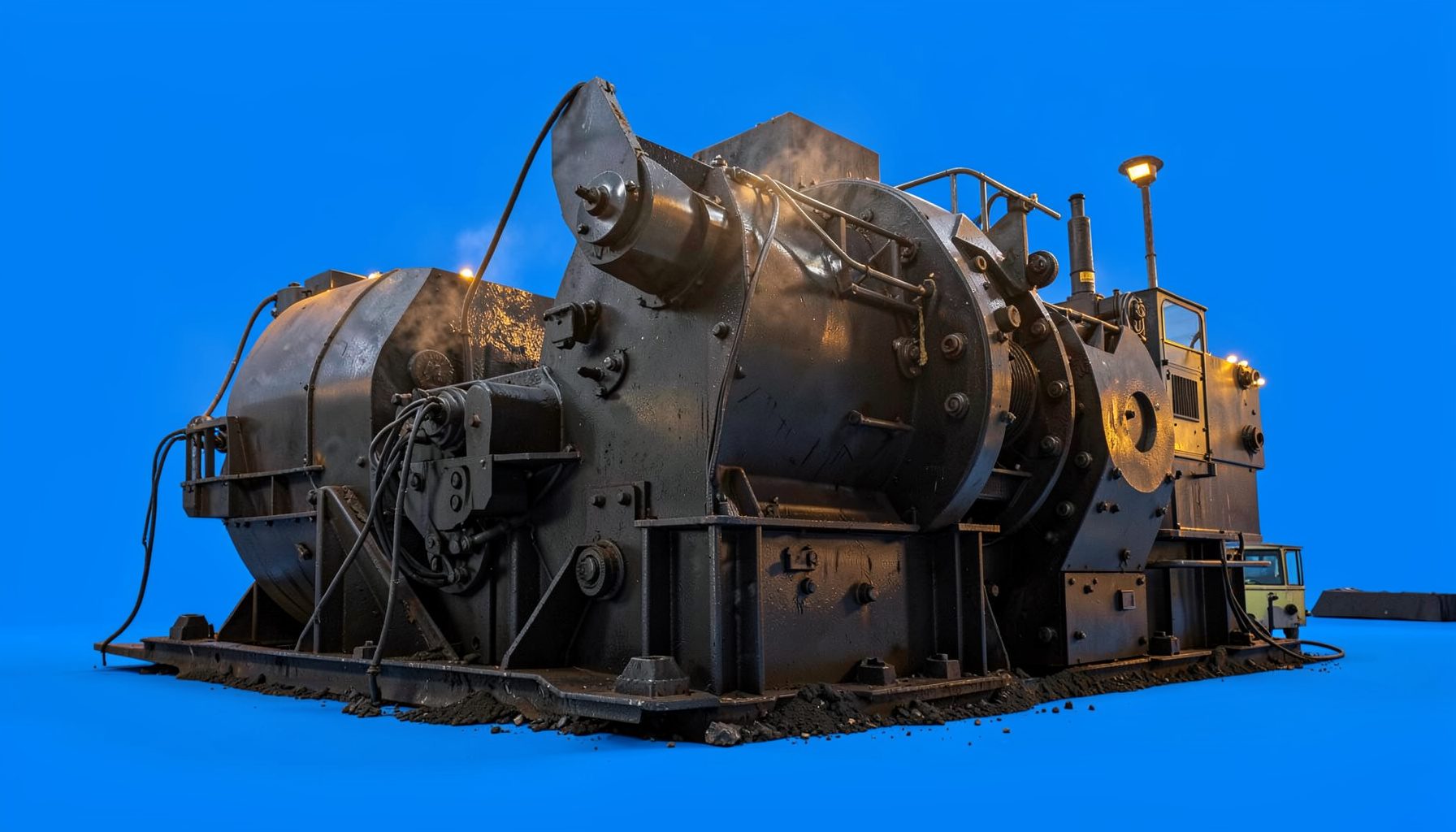
Extend the service life of your jaw crusher's toggle plate
Knowing how to extend the service life of your jaw crusher's toggle plate starts with recognising its reversing bending and impact loads. The plate sits between the fixed jaw structure and pitman, guiding swing-jaw movement while transferring force into the frame. Its condition reflects the health of the crushing chamber, not merely one casting.
Fatigue cracks, distorted mounting faces and elongated pin holes are common warning signs of a deteriorating toggle assembly. Failures often follow misalignment, excessive feed, poor gap settings, overload or a compromised toggle seat. A new plate fitted into an unchanged system can repeat the same failure, while careful inspection and controlled replacement can remove the underlying cause.
This guide covers daily habits, inspections, diagnosis, replacement and commissioning for Australian quarry, aggregate and hard-rock operations. The aim is predictable wear, safer maintenance and fewer emergency stoppages in high-tonnage production.
What damages a toggle plate
A toggle plate is a structural wear component. It must flex without cracking and transmit crushing forces without twisting. Material grade matters: manganese steel is widely used, but compatibility with the machine design and appropriate heat treatment are essential. Poor metallurgy, casting inclusions or an incorrect alloy can produce a part that fails early around bolt holes, ribs or pin bores.
Overloading creates the fastest route to fatigue. Feeding slabs larger than the recommended maximum, allowing tramp metal into the chamber, or running with a closed side setting that is too tight for the feed can distort the plate. Choked or unevenly distributed material also makes the load pulse between the fixed and moving jaws instead of passing evenly through the crushing zone.
Alignment errors distribute that load unevenly. Worn toggle bushes, elongated pins, loose pitman connections, damaged cheek plates and inaccurate jaw geometry can twist the plate against its seat. Review fixed quarry or mobile plants as one connected system. An overview of complete crushing plant layouts shows why feeder, screen and transfer capacity influence the forces reaching the toggle assembly.
Build wear resistance into daily routines
Make routine checks part of the pre-start routine and shift handover rather than relying on a monthly shutdown. Operators can look for fresh paint marks around fasteners, heat discolouration, unusual noise and visible movement. Check guards, hydraulic or wedge tension devices, feed settings and grease condition before accepting the machine. Any observation that differs from the previous shift needs a recorded response.
Use only the lubricant and grease quantity specified for the crusher. Toggle pins and bushes commonly require regular greasing, while some designs also specify lubrication at the toggle seat. Excess grease can trap abrasive dust. Clean mud and retained stones from contact areas, but avoid aggressive washing that drives moisture into poorly sealed components.
Keep the crushing chamber under control. Feed material across the full width, remove oversized pieces and maintain the recommended closed side setting. A sudden increase in hydraulic adjustment pressure may indicate excessive crushing load, worn bearings or a jam rather than a need for more tension. Trend control-panel readings and compare them with tonnes processed and feed size.
Inspect wear and act on findings
Inspection intervals should follow operating hours, severity and plant availability rather than the calendar alone. Perform a visual check each shift, then reserve deeper measurements for planned maintenance. Before beginning, isolate and lock out the crusher and follow the OEM access procedure. The useful record includes plate dimensions, pin-hole positions, bush clearances, fastener condition and closed side setting.
Use a written baseline so gradual change is easier to identify than through subjective judgement. Compare current readings with the manufacturer’s drawings and earlier records, especially after a feed change or major rebuild. Published alignment work such as a vision-guided alignment example illustrates how measured data can expose small errors that become large cyclic loads in a heavy crushing chamber.
| Inspection point | Healthy indication | Fault indication | Required response |
|---|---|---|---|
| Toggle plate | No cracks and even wear | Fracture, bowing or deep gouging | Isolate and investigate before replacement |
| Toggle pin and bush | Round holes and stable fit | Oval holes, excess play or heat | Check alignment and renew matched wear parts |
| Fasteners | Correct torque with no movement | Loose bolts, damaged threads or paint marks | Restore torque and replace damaged items |
| Crushing result | Stable setting and even feed | Choking, low output or uneven product | Check feed, liners, gap setting and bearings |
Take measurements in millimetres and use the same reference points every time. Record overall length, width and thickness, bolt-hole spacing, pin-hole diameter and alignment, plus any bow or twist. Measure the closed side setting under the specified load condition. A correctly sized but misaligned plate can still concentrate stress in one corner.
Treat a crack as a stop condition. Hairline fractures near a bolt hole, sudden changes in plate geometry or metal fragments beneath the jaw require isolation before further investigation. A repair weld may conceal the visible defect while leaving the material weakness or misloading that caused it.
Diagnose the cause rather than repeat repairs
A broken toggle plate is often the final evidence of a problem that began elsewhere. Inspect the jaw plates and cheek plates for uneven wear, the pitman for distortion, and the eccentric shaft assembly for abnormal play. A worn toggle seat can cause the plate to lose positional control, while a cracked or seized bushing creates a similar misloading pattern. Replacing only the plate leaves those conditions unchanged.
Review operating records alongside the physical inspection. Rising product-size variation may point to a worn liner or incorrect closed side setting, while falling tonnes per hour can suggest choking, a feeder problem or excessive chamber wear. Test the feed at a controlled rate and confirm that screens and conveyors can carry the expected surge load. A toggle plate cannot compensate for an overloaded downstream circuit.
Manufacturing and assembly workmanship deserve equal attention. Check casting soundness and dimensional reports against the drawing, and ensure bolts and pins have the specified grade and length. A worn pin packed with grease can resemble a correctly tensioned assembly. Once the cause is known, isolate the mechanical, feed and operating faults instead of treating every symptom as a plate defect.
Replace, align and recommission correctly
Replacement is not a plug-and-play task. Trained personnel must isolate the crusher, apply lockout or tagout controls, release stored hydraulic or mechanical tension and support the pitman and swing jaw before removing components. The correct sequence varies by crusher model, so the OEM manual and site safe work procedure control. Abrupt unloading can let the pitman move and damage replacement parts.
Use matched components specified for the machine. A toggle plate, seat, pin and bush may look interchangeable, but differences in bolt spacing, pin diameter, contact geometry and material grade affect load distribution. Before fitting a new plate, inspect the pitman, cheek plates, jaw plates, seat and pin for cracks and distortion. Do not ream, weld or heat-treat parts outside an approved repair procedure because these changes alter the original geometry.
During installation, verify flatness and alignment before tightening the mounting bolts to the specified torque. Confirm that the toggle pin and retaining arrangements are secure and that the hydraulic tension system, if fitted, operates without leaks. After commissioning, run the crusher at low load and then normal duty while checking noise, vibration, fastener movement and output. Recheck critical fasteners at the manufacturer’s specified interval.
Shanghai CME Mining and Construction Machinery Co., Ltd. provides product information for jaw crushers and its wider crushing, grinding, screening, washing and mineral-processing equipment range, with contact details for its Shanghai headquarters. Current model information helps buyers verify dimensions and configurations rather than relying on visual similarity alone. Where the fault extends beyond one component, equipment engineering solutions can support a broader review of feeding, crushing and screening duties.
Plan for Australian operating conditions
Australia’s local crushing market combines construction aggregates around Sydney, Melbourne and Brisbane with hard-rock quarrying in New South Wales and Queensland and large mining circuits in Western Australia’s Pilbara and Goldfields. These duties range from dense road base and concrete aggregate to abrasive run-of-mine ore and coal. Each requires a different feed shape, moisture level and duty cycle, so toggle plate material and inspection intervals must match the crusher application.
The operating environment is often hot, dusty and exposed to sudden rain or wash-down, particularly on remote sites. Long shifts, haul-truck movements and mobile crushing plants make disciplined pre-start checks, scheduled greasing and shift handovers part of everyday site practice. Keep mud and fines off toggle surfaces, monitor heat near the pitman and investigate unusual vibration before it becomes a fractured plate.
Safe Work Australia’s model work health and safety laws are adopted and administered through state and territory regulators. Sites operating under SafeWork NSW or WorkSafe Queensland requirements must meet machinery guarding, isolation and maintenance controls while keeping people outside hazardous crusher zones. A documented inspection and lockout process protects technicians and equipment, and defects affecting safe operation require prompt action.
Imported wear parts can carry long lead times and currency exposure, so Australian operators often keep critical spares for high-consequence failures. Stock the correct toggle plate and compatible pin, bush and seat components rather than a mismatched visual copy. Review usage trends at planned shutdowns and before the Australian summer heat or wet season. A controlled wear system, disciplined inspection and correctly matched parts keep the jaw crusher working safely across the full production cycle.