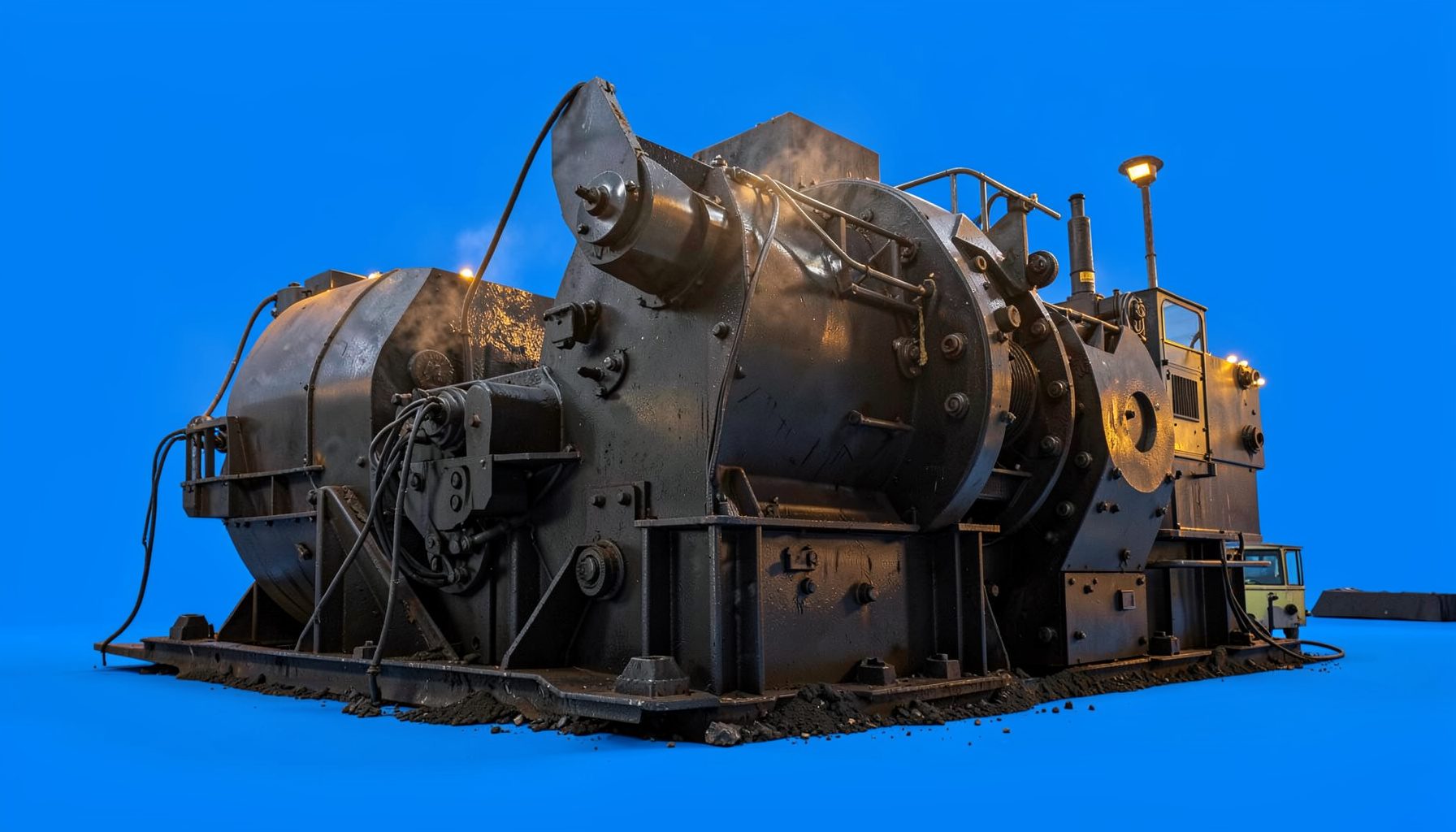
Best Practices for Lubricating Cone Crushers in Cold Weather
Cold weather changes the way a cone crusher starts, circulates oil and manages heat. A lubricant that performs well during a warm Australian summer can become too viscous during a frosty morning in the Snowy Mountains, Tasmania or an inland quarry near Kalgoorlie. If oil flow is delayed, bearings, gears and hydraulic components may operate without adequate protection during the most demanding part of the start-up cycle. Learn more about Complitkenya.org.
Correct lubrication therefore involves more than selecting an oil with a suitable viscosity grade. Quarry managers need to consider storage conditions, oil heaters, pre-lubrication, filtration, moisture control and the time required for the system to reach its operating temperature. A disciplined winter routine reduces wear, avoids nuisance alarms and helps maintain the throughput expected from fixed or mobile crushing plants.
Why Low Temperatures Affect Cone Crusher Lubrication
Lubricating oil thickens as its temperature falls. Increased viscosity creates resistance in suction lines, filters, pumps and narrow passages around the eccentric bearing assembly. The pump may take longer to establish pressure, while the crusher shaft and gear train begin moving before the oil has reached every critical surface. This short period of poor circulation can cause accelerated metal-to-metal contact.
Cold oil also increases the starting load on the lubrication pump motor. A system that runs comfortably at 25°C may struggle at 0°C if the lubricant has a high pour point or the reservoir is exposed to wind. Pressure switches can trip during start-up, and operators may mistake a slow pressure rise for a mechanical fault. Repeatedly resetting the alarm without investigating the oil temperature can damage the pump and crusher.
A second concern is condensation. Daily temperature swings allow water vapour to collect inside reservoirs, breathers and gear housings. Water reduces the oil’s film strength, promotes rust and can form ice in low points or restricted lines. This is relevant at coastal sites near Newcastle or Perth, as well as remote operations where equipment sits idle overnight.
Select Oil For The Full Temperature Range
The crusher manufacturer’s manual should determine the approved lubricant type, viscosity range and change interval. Many cone crushers use mineral or synthetic circulating oil for the eccentric, countershaft and gear assemblies, while grease may be specified for separate components. Substituting a thicker product because it appears “heavier duty” can prevent proper flow through the lubrication circuit.
Look for an oil with a suitable low-temperature viscosity, strong anti-wear performance, rust and oxidation protection, and a pour point below the lowest expected start-up temperature. The pour point is not a guarantee that the oil will pump freely at that temperature, so the oil’s pumpability data and the crusher supplier’s recommendations matter as well. Mixing products from different manufacturers can alter additive performance and should be avoided unless compatibility has been confirmed.
Oil stored in a cold shipping container may be much colder than the ambient air. Keep sealed drums or intermediate bulk containers in a clean, dry area with stable temperatures. Rotate stock using a first-in, first-out system, and identify each container with its product name, grade and delivery date. Clean transfer equipment prevents dust and water from entering oil that will later circulate through precision bearings.
Prepare The Lubrication System Before Starting
Inspect the reservoir, sight glass, breathers, hoses and fittings before the first start of a cold shift. A blocked breather can create pressure or vacuum conditions that interfere with oil flow. Check that the oil level is within the manufacturer’s marked range rather than relying on a quick visual glance at a dirty sight glass. Look for milky oil, foam, sediment or a burnt smell, all of which warrant investigation.
Where the crusher is equipped with a reservoir heater, energise it early enough to warm the oil throughout the tank. Heating only the surface layer can give a misleading temperature reading while colder oil remains around the suction point. Insulated tanks, protected pipework and sheltered pump skids help retain heat, although insulation must not hide leaks or interfere with inspection.
A low-temperature start should use a pre-lubrication cycle whenever the equipment design permits it. Run the oil pump without engaging the crusher and confirm that pressure, flow and return temperature behave normally. Allow sufficient circulation time for the oil to reach bearings and gears. The correct duration depends on the machine and oil system, so the operating manual and site start-up procedure should take priority over a fixed time copied from another plant.
Match Start-Up Controls To Site Conditions
Start-up interlocks should prevent the crusher from running until minimum oil pressure, flow and temperature have been reached. A temperature switch that is set too low may allow a damaging cold start; one set too high may create unnecessary delays. Maintenance teams should test sensors, alarms and shutdown circuits during planned inspections rather than waiting for a winter failure.
The following guide provides a practical framework for reviewing a cold-weather lubrication routine. Actual limits must come from the specific cone crusher model, oil supplier and site risk assessment.
| Operating condition | Recommended control | Warning sign |
|---|---|---|
| Oil below approved start temperature | Use the reservoir heater and extend pre-lubrication | Slow pressure rise or pump noise |
| High oil viscosity | Confirm the correct grade and inspect suction restrictions | Motor overload or low flow |
| Water or condensation suspected | Sample the oil and inspect breathers and seals | Milky appearance, rust or cloudy sight glass |
| Filter restriction | Replace the filter with the approved element | Differential-pressure alarm |
| Crusher idle for several days | Preheat, circulate and complete a visual inspection | Seized pump or unusually high start current |
| Temperature rises rapidly after start-up | Check oil level, cooler airflow and bearing condition | Hot oil alarm or falling pressure |
Australian operations often rely on automated plant controls, but automation does not replace an operator’s observation. A control room in a Hunter Valley quarry may show normal pressure while a return line is partially restricted by cold oil. At a remote Pilbara site, radio communication and a clear cold-start checklist are particularly important because mechanical support may be several hours away.
Monitor Temperature, Pressure And Oil Condition
Record oil temperature at the reservoir and, where available, at the return line. A gradual rise after start-up is generally expected, while a sudden spike may indicate restricted flow, an overloaded crusher, low oil level or bearing distress. Comparing current readings with the machine’s normal operating trend is more useful than relying on a single universal temperature value.
Pressure should be interpreted together with flow and temperature. High pressure with poor flow can indicate a blocked filter, thick oil or a closed valve. Low pressure with high temperature may point to excessive clearance, a worn pump or oil that has lost viscosity. Differential-pressure indicators should be checked during cold starts because a filter can appear acceptable once the oil warms.
Oil analysis helps identify problems before they become failures. Sample from a live, representative point rather than from the bottom of a dirty drain pan. Test for viscosity change, water, wear metals, particle count and oxidation. Portable monitoring equipment can support routine checks; for example, instrumentation guidance can help maintenance teams understand the role of measurement and sampling equipment when building a condition-monitoring programme.
Use clean, dedicated sampling bottles and record the crusher hours, oil hours, temperature and recent maintenance work. A trend showing rising iron, copper or silicon may reveal gear, bearing or dust-ingress problems before the operator notices noise or vibration. Sampling is most valuable when results are compared over time rather than treated as an isolated laboratory report.
Protect Oil From Dust And Water
Australian quarries commonly experience fine airborne dust, and dry conditions around Adelaide, Sydney’s western suburbs or regional aggregate sites can place heavy demands on breathers and seals. Dust entering through a damaged breather becomes abrasive contamination inside the oil circuit. Inspect breather elements frequently, especially after blasting, haul-road grading or extended periods of high wind.
Water can enter through condensation, pressure washing, damaged seals or poorly protected filler caps. Do not wash directly around open reservoirs, breathers or electrical heater connections. Keep filler funnels, transfer pumps and hoses capped when they are not in use. A clean storage cabinet for lubrication equipment is a small investment compared with the cost of contaminated bearings and unplanned crusher downtime.
The same housekeeping standards should apply to mobile crushing plants. When a tracked plant is relocated between a quarry face and a stockpile, vibration can loosen fittings and expose lines to mud or spray. Include hose routing, clamps and protective covers in the pre-start inspection. For broader planning around hard-rock plant selection and operating risks, this discussion of crushing circuit mistakes is relevant because circuit design affects crusher load, heat generation and maintenance access.
Build A Practical Winter Maintenance Routine
A cold-weather lubrication checklist should begin before the shift. Verify oil level, heater operation, filter condition, breather cleanliness, visible leaks and the status of alarms. Confirm that the correct oil is available rather than topping up with an unapproved product from another machine. If the crusher has been shut down for an extended period, inspect for water accumulation and rotate the pump manually only when the manufacturer’s procedure allows it.
During start-up, keep feed away from the cone until lubrication pressure and temperature are stable. Listen for cavitation, rattling, unusual gear noise or a pump that labours. Once the crusher is running under load, watch the trend in oil temperature, pressure, amperage and hydraulic variables. A gradual load increase gives the lubricant time to circulate and allows abnormal readings to be addressed before full production.
At the end of the shift, allow the crusher to run unloaded for the approved cooling period if specified by the manufacturer. This helps remove residual heat and prevents hot oil from sitting around a stopped bearing. Record alarms, top-ups and inspection findings in the maintenance system. Sites using digital work orders can link these records to oil samples and component history, giving supervisors a clearer basis for planned service decisions.
Train Operators And Standardise Decisions
Operators should understand why a cold start requires patience. A short delay for heating and pre-lubrication is cheaper than replacing an eccentric bearing, gear set or lubrication pump. Training should cover normal pressure and temperature trends, alarm responses, safe isolation and the difference between a low-temperature warning and a genuine mechanical fault.
Procedures should state who can approve a start, when the crusher must remain stopped and how abnormal readings are escalated. Include photographs of correct oil levels, acceptable sight-glass appearance and common leak points. Contractors and labour-hire personnel should receive the same briefing as permanent employees, particularly during shutdown work and seasonal production increases.
Portable electrical equipment used around maintenance areas should be inspected and suitable for the site environment; routine checks of battery tool equipment can form part of a broader workshop safety system, although tools must never be used as a substitute for approved crusher isolation equipment. Clear separation between lubrication work, electrical work and confined-space tasks reduces the chance of an apparently simple oil service becoming a wider safety incident.
Some Australian quarries schedule major maintenance around Christmas and the summer construction peak, while others operate year-round to supply asphalt, concrete and rail projects. A documented cold-weather procedure gives each crew the same decision points when experienced personnel are on leave or a mobile plant is transferred to a cooler region.
Keep Spare Parts And Lubricants Ready
Winter reliability improves when critical consumables are available before they are needed. Hold the approved oil grade, filter elements, seals, breather cartridges, heater components and sampling bottles in a protected store. For remote Queensland, Western Australian and Northern Territory operations, include realistic freight lead times and wet-season access restrictions in stock calculations.
Do not warm oil with an open flame, improvised heater or unapproved electrical device. If oil must be transferred in cold conditions, use a clean pump rated for its viscosity and keep the container secure. A dedicated warming cabinet or compliant tank heater is safer and more consistent than placing drums near hot engine parts.
Review lubrication performance after each cold season. Compare start-up delays, alarms, oil consumption, analysis results and bearing-related repairs with previous periods. This evidence can support adjustments to heater capacity, inspection frequency or spare-parts levels while keeping decisions aligned with the crusher manufacturer’s limits.
With the correct oil, controlled pre-lubrication, clean storage, reliable instrumentation and trained operators, cone crushers can start consistently through Australia’s cold mornings and seasonal temperature swings. The objective is stable oil flow before load is applied, followed by continuous monitoring that detects deterioration early.